
OFA Testing in St. Johns: What Pet Owners Should Know

OFA Testing in St. Johns: What Pet Owners Should Know
If you are a pet owner in St. Johns, FL, you may have heard about OFA testing and wondered if it is right for your dog or cat. At Switzerland Animal Hospital, we understand how much you want to protect your pet’s long-term health, especially when it comes to inherited joint issues that can affect their comfort and quality of life. OFA testing is a proactive tool that helps us identify certain genetic conditions early, giving your pet the best chance at a happy, active life. In this blog, we will explain what OFA testing is, why it matters for dogs and cats, how the process works at our St. Johns location, and how our veterinary team can guide you through every step. You will learn about the signs that might prompt testing, the conditions most commonly detected, and how early intervention can help your pet thrive. Whether you are a breeder, an owner of a large-breed dog, or simply want peace of mind about your pet’s future, our team is here to support you with comprehensive care and expert advice. If you are considering OFA testing in St. Johns, you are in the right place—let’s explore what you should know.
Recognizing When OFA Testing Applies to Your Pet
Many pet owners wonder if their dog or cat should have OFA testing, especially if they seem healthy. The truth is, some inherited joint conditions can develop silently, with no obvious symptoms during the early stages. OFA testing, which stands for Orthopedic Foundation for Animals testing, is typically recommended for certain breeds that are prone to joint diseases like hip dysplasia, elbow dysplasia, or patellar luxation. Large and giant breed dogs, such as Labradors, Golden Retrievers, German Shepherds, and Rottweilers, are especially at risk, but smaller breeds and cats can also be affected.
Signs that may prompt earlier testing include stiffness after rest, difficulty rising, limping, reluctance to jump or run, and changes in play behavior. Some owners notice subtle shifts such as a decrease in activity or hesitation when climbing stairs. In cats, joint issues can be trickier to spot, but symptoms like reduced jumping, decreased grooming, or changes in temperament may indicate discomfort. Even if your pet shows no symptoms, OFA testing is an important consideration if you are thinking about breeding, as it helps ensure healthier litters and reduces the risk of passing on genetic conditions. Regular wellness examinations at Switzerland Animal Hospital can help determine if your pet would benefit from OFA testing or other diagnostic screenings.
Understanding OFA Testing: Background and Importance
OFA testing was developed to help veterinarians and breeders identify inherited orthopedic conditions before they become serious problems. The most well-known use of OFA testing is for detecting hip dysplasia in dogs, a genetic disorder where the hip joint does not develop properly, leading to arthritis and pain. However, the Orthopedic Foundation for Animals now offers certification and screening for a range of conditions, including elbow dysplasia, patellar luxation, thyroid issues, cardiac conditions, and even certain eye diseases.
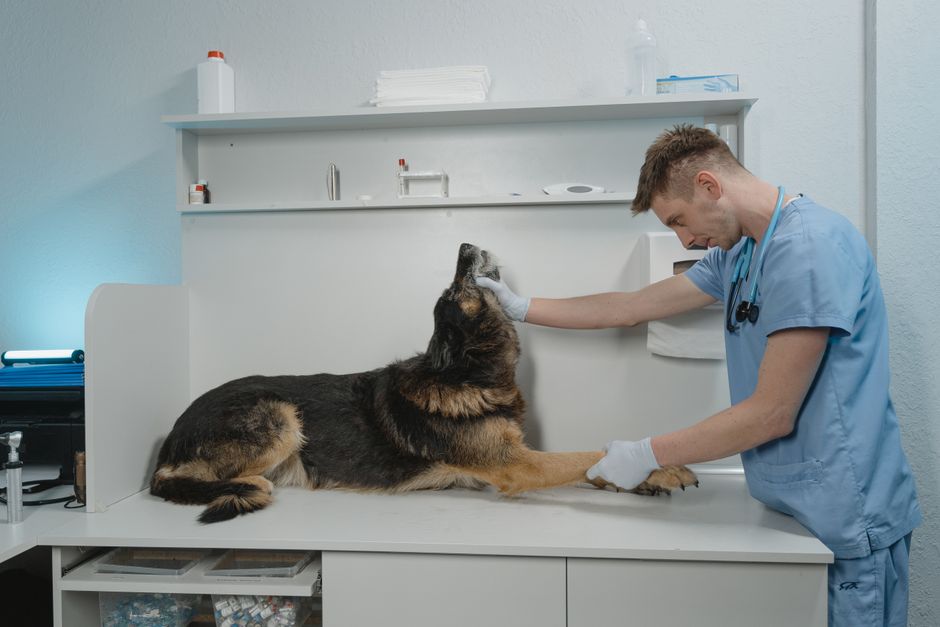
The value of OFA testing lies in its ability to catch these issues early, sometimes before you ever notice a change in your pet’s behavior or mobility. For breeders, this is especially critical, as responsible breeding practices rely on screening parent animals to minimize the risk of inherited diseases. For pet owners, early detection means you can take steps to support your pet’s joints, manage their weight, adjust their activity, or begin preventative treatments that may slow progression. The process relies on specialized imaging, such as digital radiographs, which our veterinary team in St. Johns is fully equipped to provide.
How OFA Testing Works at Switzerland Animal Hospital
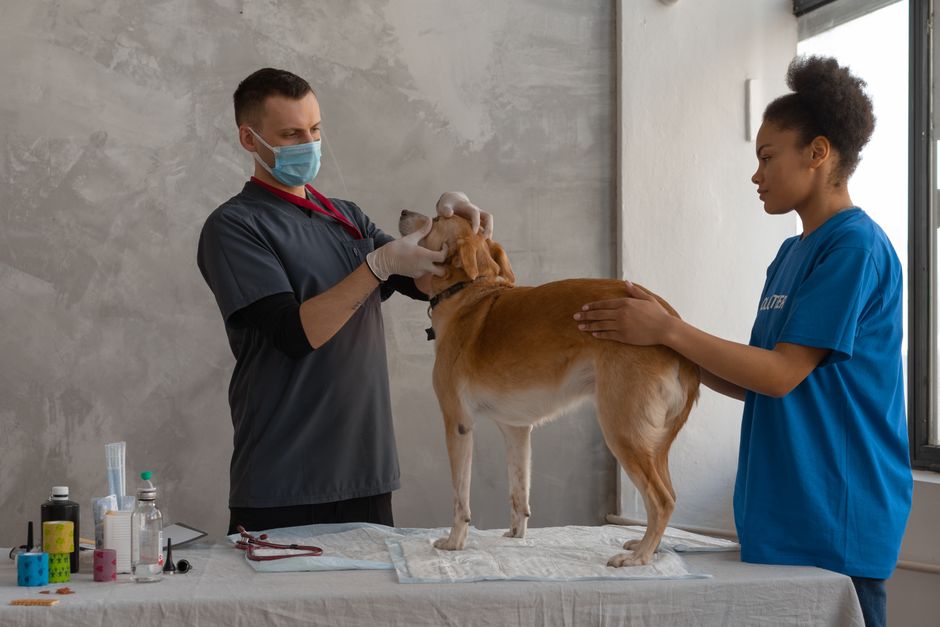
When you schedule OFA testing for your pet at Switzerland Animal Hospital, the process begins with a thorough consultation and review of your pet’s health history. Our veterinarians will discuss your goals—whether you are planning to breed, concerned about a specific symptom, or simply want to establish a health baseline. The next step typically involves digital radiography, which allows us to capture detailed images of your pet’s joints. Depending on the type of OFA certification you are seeking, we may also recommend additional screenings, such as thyroid function tests or cardiac evaluations.
For most orthopedic OFA tests, your pet may need light sedation to ensure clear, accurate imaging and a stress-free experience. The digital images are then submitted to the Orthopedic Foundation for Animals, where board-certified veterinary radiologists review and grade the films according to established criteria. Results are usually available within a few weeks, and our team will follow up to explain the findings, answer your questions, and help you understand what the results mean for your pet’s future.
Our digital radiology services are specifically designed for high-quality orthopedic imaging, ensuring your pet receives accurate and timely results. If bloodwork or other laboratory tests are needed, our in-house pet diagnostic laboratory allows for quick turnaround and seamless coordination of care.
What Conditions Does OFA Testing Detect?
OFA testing is most commonly associated with hip and elbow dysplasia, but the foundation certifies for a range of inherited conditions. In dogs, hip dysplasia, elbow dysplasia, patellar luxation, and congenital cardiac conditions are frequently screened. In cats, hip dysplasia and certain heart conditions may prompt testing, particularly in breeds like Maine Coons or Persians. The goal is always early detection and responsible management, both for your pet’s comfort and for supporting better long-term outcomes across the breed.
Supporting Your Pet’s Joint Health: Prevention and At-Home Care
Even if your pet does not currently show symptoms, there are important steps you can take at home to support joint health and reduce the risk of inherited issues becoming problematic. Maintaining a healthy weight is one of the most effective ways to minimize strain on your pet’s joints; extra pounds can accelerate wear and tear, especially in breeds prone to dysplasia. Providing appropriate, low-impact exercise such as regular walks or gentle play helps maintain muscle tone without overtaxing the joints.
Nutrition also plays a significant role. Feeding a balanced diet tailored for your pet’s breed, age, and activity level supports joint development and health. Some pets may benefit from veterinary-recommended joint supplements, especially if they are at higher risk or beginning to show early signs of stiffness. Ensuring your pet has a comfortable place to rest, with supportive bedding and easy access to favorite areas, can help minimize discomfort and encourage regular movement.
Regular checkups with your veterinarian are essential for ongoing monitoring. During wellness examinations, our veterinary team will assess your pet’s joints, review their gait and mobility, and provide personalized recommendations for exercise, nutrition, and preventative care. By staying proactive, you can help your pet enjoy greater comfort and mobility throughout their life.
When to Seek Veterinary Care for Your Pet’s Joints
It is important to recognize the signs that indicate your pet may need prompt veterinary attention for joint concerns. If your dog or cat begins limping, hesitates to jump or climb, vocalizes in pain, or becomes less active than usual, these can be warning signs of an underlying orthopedic issue. Sudden changes in mobility, such as difficulty standing up or a refusal to bear weight on a limb, should always prompt a call to your veterinarian. For pets with a known family history of joint diseases, early screening through OFA testing is highly recommended, even if no symptoms are present.
At Switzerland Animal Hospital, our veterinarians are trained to evaluate and manage a wide range of orthopedic conditions, from subtle lameness to more advanced joint disease. We encourage you to schedule an appointment if you notice any changes in your pet’s movement or comfort. Early intervention can make a significant difference, helping to slow disease progression and improve your pet’s quality of life.
Why Choose Switzerland Animal Hospital for OFA Testing in St. Johns?
Choosing a veterinary team for OFA testing is about more than just having the right equipment; it is about trust, experience, and a commitment to your pet’s long-term well-being. At Switzerland Animal Hospital, our veterinarians combine advanced diagnostic tools—like digital radiography and in-house laboratory services—with years of experience caring for dogs and cats in St. Johns and the surrounding communities. We take the time to explain each step, answer your questions, and help you make informed decisions about your pet’s care.
Our approach is always tailored to your pet’s unique needs, whether you are considering OFA testing for breeding purposes, early detection, or peace of mind. We work closely with you to interpret results, recommend appropriate follow-up care, and provide ongoing support. Your pet’s comfort and health are always our top priorities, and we are honored to be your trusted partner in veterinary care.
Ready to Schedule OFA Testing? Contact Your St. Johns Vet Near Me
If you are ready to learn more about OFA testing in St. Johns or want to schedule an appointment for your dog or cat, Switzerland Animal Hospital is here to help. Our compassionate veterinary team will guide you through every step, from initial consultation to results interpretation and ongoing joint care. To get started, contact us at (904) 830-5156 or visit our St. Johns location today. When searching for a veterinarian near me who understands the importance of preventive orthopedic care, trust our team to provide the expertise and support you need.
For more information about wellness exams, imaging, and diagnostic testing, explore our wellness examination services, digital radiology, or pet diagnostic laboratory services. Early detection through OFA testing can be a game-changer for your pet’s health—let us help you give your companion the best possible future.