
Common Summer Skin Problems for Florida Dogs and Cats

Common Summer Skin Problems for Florida Dogs and Cats
Summer in St. Johns, Florida, brings plenty of sunshine and outdoor fun, but it also brings challenges for the skin health of your dogs and cats. If you have noticed your pet scratching more than usual or developing red, irritated areas on their skin, you are not alone. The heat, humidity, and thriving insect populations of Florida summers create the perfect environment for a variety of skin problems to flare up in both dogs and cats. At Switzerland Animal Hospital, located at 1430 State Rd 13 N, Saint Johns, FL 32259, our team of veterinarians is dedicated to helping your pets stay comfortable and healthy through every season. In this blog, we will explore the most common summer skin issues affecting dogs and cats in our area, explain how to recognize the warning signs, discuss what causes these problems, and share tips on prevention and when it is time to schedule a veterinary appointment.
Recognizing Summer Skin Problems in Pets
It is important for pet owners to recognize the early signs of skin trouble before issues become severe and uncomfortable for their pets. Symptoms of summer skin problems in dogs and cats can appear suddenly or develop gradually over several days. Key symptoms include frequent scratching, licking, or biting at the skin; red or inflamed patches; the appearance of hot spots, which are moist, oozing sores; hair loss in certain areas; scabs or crusty patches; and an increase in dandruff or flaky skin. Additionally, you might notice your pet shaking their head more often or scratching around their ears, which can signal the start of an ear infection linked to skin allergies. Some pets will develop a distinct odor from their skin when infections take hold, and others may become restless or irritable from the constant discomfort.
If you notice that your pet is spending more time chewing or licking their paws after walks, this can be an early indicator of contact allergies to grasses or fertilizers. For cats, over-grooming or bald spots—especially on the belly or legs—can signal underlying skin issues. Being attentive to these subtle changes and acting quickly can prevent minor problems from becoming major health concerns. For more information about early detection of skin and other health issues, our wellness examinations are designed to help catch problems before they escalate.
Why Do Dogs and Cats Get Skin Problems in Florida Summers?
Florida’s summer climate is a major factor in the development of skin problems for pets. High humidity and frequent rain create a moist environment where bacteria and yeast can thrive on your pet’s skin. Warm temperatures also encourage the growth of environmental allergens like pollen, mold spores, and various grasses. When your dog or cat spends time outdoors, they are exposed to these allergens, which can trigger allergic reactions leading to itchy, inflamed skin.
Another major contributor is the abundance of fleas, ticks, and biting insects during the summer months. Flea allergy dermatitis is one of the most common skin problems we see in both dogs and cats in St. Johns and surrounding communities. Even a single flea bite can cause intense itching and secondary infections, especially in pets with sensitive skin or underlying allergies. Pools, lakes, and backyard sprinklers are popular sources of fun and relief from the heat, but they can also introduce irritants or bacteria to your pet’s skin, particularly if they do not dry off completely after swimming.
On top of these factors, pets may be exposed to chemicals such as lawn treatments, fertilizers, and insecticides, which can irritate their skin or trigger contact allergies. Hot, sun-exposed surfaces like driveways and patios can also cause burns or contribute to paw pad injuries. When these environmental factors are combined with your pet’s individual sensitivities, it is easy to see why summer skin issues are so prevalent in Florida.
Treating and Managing Summer Skin Issues in Dogs and Cats
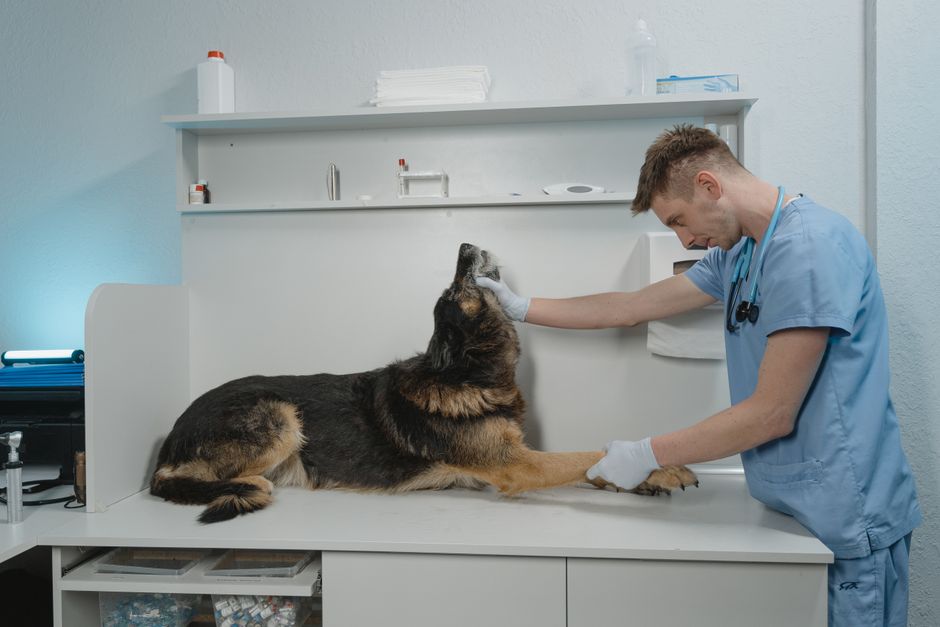
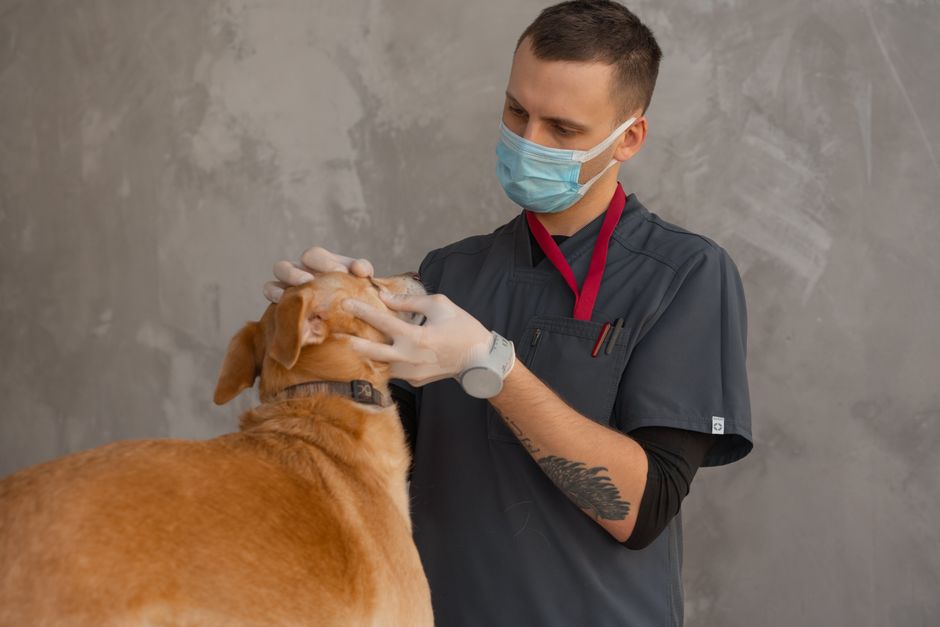
When your pet develops a skin problem, timely and appropriate treatment can make all the difference in their comfort and recovery. The first step our veterinary team will take is to perform a thorough examination, which may include diagnostic tests such as skin scrapings, cytology, or fungal cultures to pinpoint the cause of the irritation. Depending on the findings, treatment approaches involve topical therapies such as medicated shampoos, sprays, or ointments to soothe itching and control infection. In cases of bacterial or yeast infections, oral medications or antibiotics may be prescribed.
For pets suffering from flea allergy dermatitis or insect bite reactions, controlling parasites is essential. Our veterinarians can recommend safe and effective flea and tick preventives tailored to your pet’s needs, which are especially important during the summer months. If allergies are at the root of your pet’s discomfort, we may suggest hypoallergenic diets, antihistamines, or other medications to reduce inflammation and itching.
In some situations, pets with severe hot spots or persistent skin lesions may require procedures such as gentle clipping of the affected area, cleaning, and the application of specialized wound dressings. Our team may also use advanced diagnostic tools like digital radiography or ultrasound when deeper infections or abscesses are suspected. Throughout your pet’s treatment, our focus is on relieving their discomfort quickly while addressing any underlying causes to prevent recurrence.
Preventing Summer Skin Problems: Home Care Tips
Taking proactive steps at home can significantly reduce the risk of summer skin problems in your dogs and cats. Regular grooming is one of the most effective ways to keep your pet’s coat and skin healthy. Brushing helps remove loose fur, dirt, and allergens, while allowing you to spot any issues early. Bathing with a veterinarian-approved shampoo can help wash away irritants, but it is important not to over-bathe, as this can strip the skin of natural oils.
Flea and tick prevention should be maintained year-round in Florida, but it is especially crucial during the summer. Keeping your yard trimmed and free of standing water can minimize mosquito and insect breeding grounds. After outdoor activities, check your pet for ticks, grass seeds, or burrs, and gently wipe off their paws and underbelly to remove pollen or chemicals.
Feeding a high-quality, balanced diet supports healthy skin and coat, while providing access to fresh water at all times helps prevent dehydration, which can worsen skin problems. For pets who swim frequently, be sure to dry them thoroughly, paying close attention to areas between the toes and under the collar. If your pet is prone to allergies, try to limit outside time during peak pollen hours and wash bedding regularly.
Vaccinations also play a role in protecting pets from diseases that may contribute to skin and ear problems. Our pet vaccination services are designed to keep your dog or cat protected from common infectious agents in our region.
When to Schedule a Veterinary Appointment
While mild cases of itching or skin irritation can sometimes be managed at home, there are clear signs that it is time to contact the veterinary professionals at Switzerland Animal Hospital. If your pet’s itching is constant, has caused open sores, or is accompanied by significant hair loss, prompt evaluation is necessary. Signs such as hot spots that worsen or spread quickly, persistent ear infections, swelling, bleeding, or a foul odor from the skin are indicators of infection that require professional care.
Sudden changes in your pet’s behavior, such as reduced appetite, lethargy, or withdrawal, can signal that a skin problem is part of a larger health issue. In these cases, our veterinary team will conduct a comprehensive pet exam to identify any underlying conditions contributing to your pet’s discomfort. Delaying care can lead to complications like deep skin infections or chronic allergies that are more difficult to manage.
Remember, Florida’s climate can turn a minor skin issue into a serious one in a matter of days; trust your instincts and reach out to us if you are concerned. For urgent problems that cannot wait, you can find more information about emergency veterinary care on our website.
Keeping Your Pet Comfortable All Summer Long
Summer in St. Johns is a wonderful time to enjoy the outdoors with your pets, but it is also a time when skin problems are most likely to appear. By staying alert to the warning signs, practicing good home care, and seeking veterinary help when needed, you give your pets the best chance at a comfortable, itch-free season. At Switzerland Animal Hospital, our veterinarians are committed to supporting your pet’s health, whether you need preventive advice, treatment for a skin issue, or a vet near me who truly understands the unique needs of Florida pets.
If you notice any changes in your dog or cat’s skin or coat, or if you have questions about summer skin care, do not hesitate to schedule an appointment with our experienced team. You can reach Switzerland Animal Hospital at (904) 830-5156 or visit us at 1430 State Rd 13 N, Saint Johns, FL 32259. We are proud to serve the St. Johns community and are here to keep your pets happy and healthy all summer long.