
November Pet Wellness Tips for St. Johns Dog and Cat Owners

November Pet Wellness Tips for St. Johns Dog and Cat Owners
As November arrives in St. Johns, Florida, pet owners naturally begin to think about how to keep their dogs and cats healthy and comfortable as the seasons change. While our winters are milder than in many parts of the country, even a subtle drop in temperature and a shift toward drier air can affect your pet's wellbeing. At Switzerland Animal Hospital, located at 1430 State Rd 13 N, Saint Johns, FL 32259, our veterinary team is dedicated to helping your companion thrive all year long. This November, we are sharing practical wellness tips tailored to life in St. Johns and the surrounding communities, focusing on preventive care, recognizing early warning signs, and making your home more comfortable for your pet as the weather shifts.
In this guide, you will discover what symptoms to watch for as the seasons change, the reasons behind common fall health issues, steps you can take to keep your dog or cat feeling their best, and when it is time to schedule an appointment with our veterinary professionals. Whether your pet is a playful puppy enjoying the cool breeze or a senior cat seeking a cozy spot indoors, our goal is to support your family with expert advice and compassionate care. If you have questions about your pet's wellness or need to schedule a comprehensive checkup, our team at Switzerland Animal Hospital is here for you.
Recognizing Seasonal Changes: What to Watch for in November
As the days grow shorter and the air becomes cooler and drier, dogs and cats may experience subtle changes in their health and behavior. Key symptoms to monitor during November include increased scratching or licking, dry or flaky skin, sneezing or watery eyes, changes in appetite, and differences in energy level. Additionally, you may notice your pet seeking out warmer areas in your home or showing reluctance to spend as much time outdoors.
For many pets, the transition to cooler weather is smooth; however, some dogs and cats, especially those with chronic health conditions or sensitive skin, can be more susceptible to seasonal discomfort. Senior pets, in particular, may show signs of stiffness or joint discomfort as temperatures dip. If you observe persistent coughing, sneezing, unusual lethargy, sudden changes in thirst or urination, or if your dog or cat develops any new lumps or wounds, these could be signs of underlying illness that require veterinary attention.
If your dog seems less energetic, develops new lumps, or has concerning behavioral changes, you may find helpful information on our dog lethargy and new lumps guidance page. For cat owners, signs such as eye discharge, squinting, or sudden lethargy should not be ignored. Our feline symptom resource can help you determine when it is time to call your veterinarian.
Why Do Pets Experience Health Changes in the Fall?
Seasonal changes in St. Johns bring a unique set of environmental factors that can influence your pet's health. Cooler, drier air can lead to dry skin, static electricity, and itchiness, especially in pets with allergies or sensitive skin. Outdoor allergens may linger, triggering flare-ups of seasonal allergies in both dogs and cats. Shorter daylight hours can disrupt routines, affecting feeding and activity patterns, which is especially important for pets who thrive on consistency.
Indoor heating, although rarely needed in our region, can further reduce humidity and contribute to dry noses and skin. Additionally, as the holidays approach, there is often an increase in household hazards such as seasonal plants, decorations, and rich foods that may pose risks if ingested. Understanding these seasonal influences helps pet owners recognize why certain symptoms may become more prominent in November.
For dogs, joint stiffness can become more noticeable as the weather cools, particularly if they have pre-existing arthritis. Cats may develop upper respiratory symptoms more easily if exposed to drafts or sudden temperature changes. Both species are at risk for accidental ingestion of holiday foods or decorations, which can lead to digestive upset or more serious health issues.
How Our Veterinary Team Supports Your Pet’s Fall Wellness
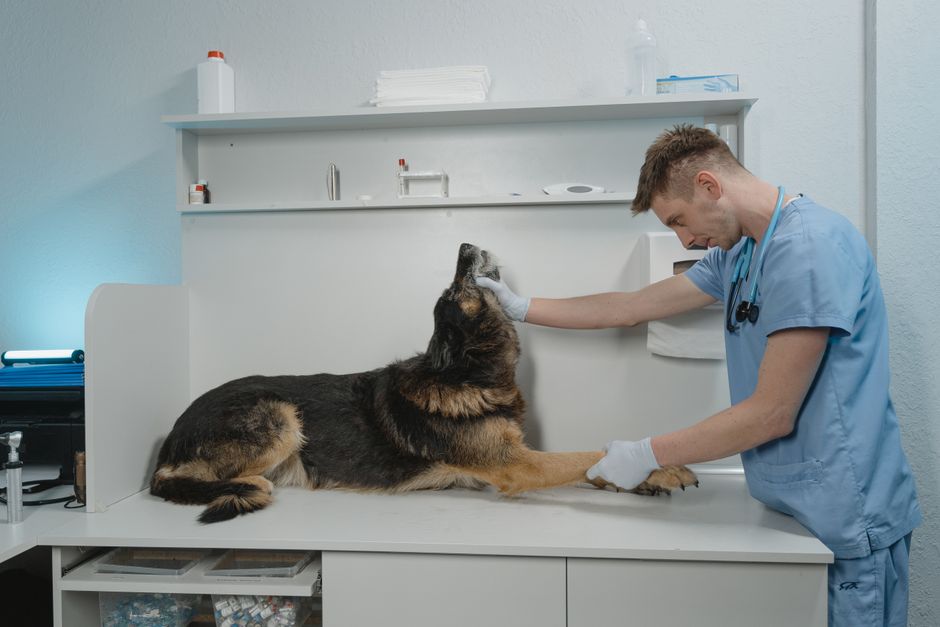
At Switzerland Animal Hospital, we believe that preventive care is the foundation of lifelong pet health. During a comprehensive pet exam, our veterinarians perform a nose-to-tail evaluation to detect subtle changes that may indicate health problems, even before obvious symptoms appear. This includes checking skin and coat condition, listening to the heart and lungs, examining joints for signs of arthritis, and reviewing your pet’s diet and lifestyle.
Our clinic offers advanced diagnostics, including digital radiography and in-house laboratory testing, to quickly assess concerns like coughing, lethargy, or unexplained weight loss. If your dog or cat is due for vaccinations, our pet vaccination services protect against common diseases that remain a threat year-round in Florida.
When it comes to managing chronic conditions or seasonal flare-ups, our veterinary professionals develop tailored treatment plans that may involve medicated shampoos for itchy skin, dietary recommendations for weight management, or laser therapy to relieve joint discomfort. We also provide guidance on safe grooming, parasite prevention, and environmental modifications to keep your pet comfortable as the seasons change.
Practical Home Tips to Support Your Dog or Cat This November
Supporting your pet’s wellness at home is just as important as routine veterinary care. Steps you can take this November include adjusting your pet’s grooming routine to manage dry skin, providing plenty of fresh water to combat dehydration, and ensuring your home has cozy, draft-free resting areas. For dogs who enjoy outdoor play, monitor their skin and paws for signs of irritation, and consider using a pet-safe moisturizer if dryness develops.
Maintaining a consistent feeding and exercise schedule helps dogs and cats adapt to shorter days. Interactive play sessions indoors keep both species mentally and physically stimulated, which is especially helpful when outdoor time is limited by chilly or rainy weather. Avoid giving table scraps or holiday treats that may be toxic to pets, such as chocolate, grapes, onions, or foods high in fat.
If your cat is spending more time indoors, enrich their environment with scratching posts, climbing towers, or window perches to reduce boredom and anxiety. For both dogs and cats, regular brushing removes loose fur and distributes natural oils, supporting skin health during drier months.
Be mindful of household hazards that are more common during the holidays, such as tinsel, ribbons, and seasonal plants like poinsettias. These can cause digestive upset or even require emergency care if ingested. If you suspect your pet has eaten something unsafe, do not wait to seek veterinary attention.
When to Schedule a Veterinary Visit This Fall
While many mild changes in behavior or appearance can be managed at home, certain symptoms signal the need for prompt veterinary evaluation. Warning signs to act on include persistent vomiting or diarrhea, sudden changes in thirst or urination, difficulty breathing, unexplained weight loss, or any visible wounds. Additionally, if your pet seems unusually lethargic or develops new lumps, a timely visit to your veterinarian is important for early detection and effective treatment.
For more specific guidance on when to seek veterinary care, you can review our resources for vomiting and diarrhea in dogs or cat vomiting and increased thirst. If your pet experiences a sudden emergency, such as ingesting a toxic substance or suffering an injury, our team is equipped to provide immediate care and support.
Remember that preventive checkups are just as crucial in the fall as at any other time of year. Scheduling a wellness examination allows our veterinary professionals to catch health issues early and offer personalized recommendations based on your pet’s unique needs and lifestyle.
How to Find the Right Veterinarian Near You in St. Johns
Choosing a trustworthy veterinary partner is essential for your pet’s long-term health and your peace of mind. When searching for a vet near me, look for a full-service clinic like Switzerland Animal Hospital that provides preventive care, diagnostics, dental services, surgery, and boarding under one roof. Our experienced veterinary team is committed to building lasting relationships with pet owners in St. Johns and the surrounding areas, offering compassionate, comprehensive care for dogs and cats of all ages.
Whether you are a new pet owner or have been part of our community for years, our team is always available to answer your questions, help you prepare for seasonal changes, and support your pet through every stage of life. Regular visits and open communication with your veterinarian ensure your pet receives the attention they deserve and enable us to develop care plans tailored to your family’s needs.
Your Pet’s Health Is Our Priority This November and Beyond
As the holiday season approaches, protecting your pet’s wellness is more important than ever. By staying alert to seasonal changes, providing consistent home care, and relying on the expertise of Switzerland Animal Hospital, you can help your dog or cat enjoy a healthy, happy November. If you notice any warning signs or simply want peace of mind, we encourage you to schedule a wellness examination with our veterinary professionals.
To book your appointment or ask questions about your pet’s health, contact Switzerland Animal Hospital at (904) 830-5156 or visit us at 1430 State Rd 13 N, Saint Johns, FL 32259. Our team is honored to serve St. Johns and the surrounding communities with the highest standard of veterinary care. If you are looking for a veterinarian near me who truly cares about your family, we look forward to welcoming you and your pet to our clinic.
Medical Disclaimer: This blog is intended for informational purposes only and should not be used as a substitute for professional veterinary advice, diagnosis, or treatment. Always consult your veterinarian with any questions or concerns regarding your pet’s health.