
October Pet Dental Health Tips for St. Johns Owners

October Pet Dental Health Tips for St. Johns Owners
Is your pet’s smile truly healthy this fall? As the weather cools and October brings new routines for families in St. Johns, it’s the perfect season to pay closer attention to your pet’s dental health. Dental care is often overlooked until problems arise, but early detection and prevention can keep your dog or cat comfortable and energetic all year long. At Switzerland Animal Hospital, located at 1430 State Rd 13 N, Saint Johns, FL 32259, our veterinary team is passionate about making dental care easy and accessible for pet owners in St. Johns and the surrounding communities. In this guide, we will explore the signs of dental disease in pets, why October is an ideal time for a dental checkup, how professional cleanings benefit your pet, and what you can do at home to protect your dog or cat’s teeth between visits. We’ll also highlight how our pet dentistry services can help your pet maintain a healthy, pain-free smile.
How to Recognize Dental Disease in Your Pet
Dental problems in pets are more common than most realize, and the signs are often subtle at first. Many owners notice bad breath long before they suspect a deeper issue. Key symptoms of dental disease in dogs and cats include persistent mouth odor, yellow or brown buildup on the teeth, red or bleeding gums, and difficulty chewing food. Some pets may paw at their mouth, drop food while eating, or seem less interested in chew toys. In more advanced cases, owners might notice swelling around the face, reluctance to be touched near the mouth, or even loose teeth. Cats, in particular, can be experts at hiding discomfort, so look for changes in grooming behavior, drooling, or sudden pickiness with food.
It’s important to remember that excessive drooling can sometimes be a sign of dental pain or oral infection. If your dog or cat is drooling more than usual, this may be a good time to review guidance on dog excessive drooling or cat excessive drooling to determine if a veterinary exam is needed.
Why Dental Disease Develops: Understanding the Causes
Dental disease in pets rarely develops overnight. The most common culprit is a gradual buildup of plaque, which is a sticky film of bacteria that forms on teeth after eating. Without regular brushing or professional cleaning, plaque hardens into tartar, which irritates the gums and creates a perfect environment for bacteria to thrive. Over time, this leads to gingivitis (inflammation of the gums) and, if untreated, to periodontal disease—a deeper infection that damages the structures supporting the teeth.
Dogs and cats are both susceptible to plaque and tartar, but certain breeds, ages, and diets can increase risk. Small breed dogs, for example, often have crowded teeth that trap food particles, while older cats may be more prone to resorptive lesions—painful erosions of the tooth structure. Feeding mostly soft foods, skipping chew toys, or having an underlying health condition like diabetes can also contribute to dental problems.
In St. Johns, the humid climate can contribute to more rapid buildup of plaque, while pets that spend a lot of time outdoors may be exposed to different types of bacteria. Every pet is unique, so understanding your own dog or cat’s risk factors is the first step toward protecting their oral health.
Professional Dental Care: How Cleanings at Switzerland Animal Hospital Make a Difference
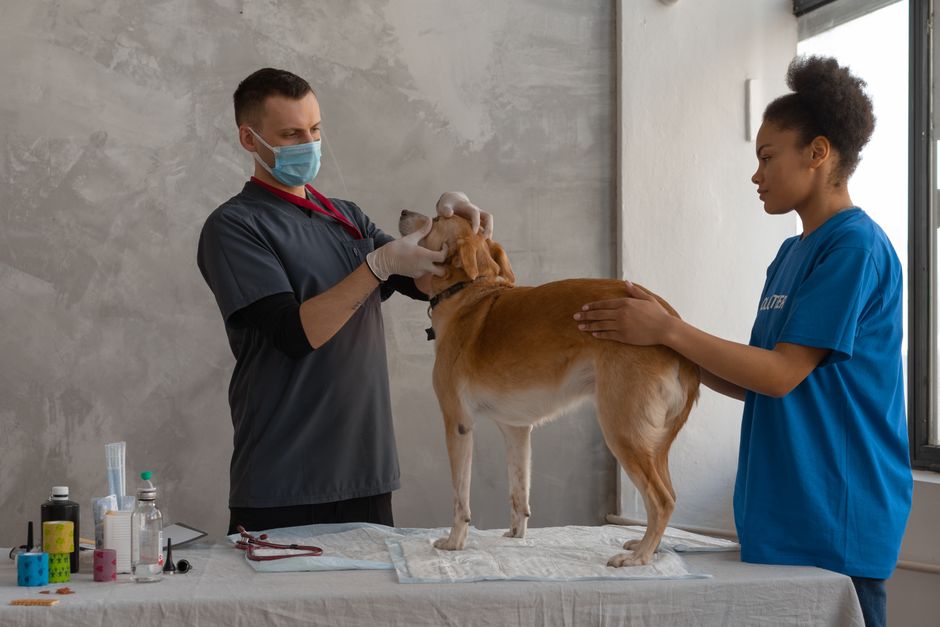
Routine dental cleanings performed by a veterinary team are essential for preventing painful oral diseases. At Switzerland Animal Hospital, our veterinarians use advanced techniques to clean your pet’s teeth thoroughly, reaching areas that can’t be addressed with at-home care alone. During a professional cleaning, your dog or cat will be comfortably anesthetized to allow safe and complete removal of tartar both above and below the gumline. Our team uses modern equipment, such as ultrasonic scalers and digital radiography, to identify hidden dental problems and assess the health of each tooth.
If a dental problem is found, we can provide treatments that may include tooth extractions, antibiotic therapy, or specific oral surgery procedures. Laser surgery and cryosurgery are available for certain oral masses or challenging cases, helping to minimize discomfort and recovery time. The goal is always to restore your pet’s comfort, prevent further complications, and address any sources of pain or infection before they threaten your pet’s overall health.
In addition to treatment, we place a strong emphasis on dental disease prevention. Our pet dentistry services include regular dental exams to monitor your pet’s oral health and personalized recommendations for ongoing care.
At-Home Dental Care: Steps You Can Take Between Veterinary Visits
While professional cleanings are essential, what you do at home is just as important for long-term dental health. Brushing your pet’s teeth regularly with a toothpaste made for pets helps control plaque, while dental chews and approved chew toys can assist with mechanical cleaning. For pets that are not receptive to brushing, dental wipes, water additives, or specially formulated dental diets can provide some benefit.
Consistency is key; even brushing a few times a week can make a significant difference. If you notice resistance, try introducing tooth brushing gradually, using positive reinforcement and gentle handling. Always avoid human toothpaste, as it contains ingredients that can be harmful to pets.
Keep an eye on your pet’s mouth for any changes in gum color, bleeding, or odor. Early detection is your best defense against progression of dental disease. If you have questions about which products or routines are best for your pet, our team is always happy to provide guidance during a wellness examination.
When to Schedule a Veterinary Dental Evaluation
Some dental problems can progress quietly for months before obvious symptoms appear, so it’s wise to schedule a dental checkup at least once a year, even if your pet seems fine. You should make an appointment sooner if your pet’s breath suddenly worsens, you see visible tartar, or your dog or cat begins to drop food, chew only on one side, or show signs of pain when eating. Persistent drooling, bleeding from the mouth, or facial swelling are warning signs that warrant immediate attention.
October is an excellent time to prioritize dental health as part of your pet’s fall wellness routine. By scheduling an exam now, you’ll help ensure your pet enters the holiday season feeling comfortable, energetic, and ready for all the family fun to come. Our veterinary professionals in St. Johns are here to answer your questions and provide comprehensive dental care, whether your pet needs a routine cleaning or more advanced treatment.
A Healthy Smile for Every Season: Why Dental Wellness Matters in St. Johns
Dental disease doesn’t just cause pain; it can impact your pet’s appetite, energy level, and even internal organs if left untreated. Bacteria from infected gums can enter the bloodstream and affect the heart, kidneys, or liver, making regular dental care a crucial part of preventive health. By working with the veterinary team at Switzerland Animal Hospital, you’ll have access to advanced diagnostics, gentle surgical options, and compassionate advice tailored to your pet’s unique needs.
Our commitment to your pet’s well-being extends beyond the exam room. We strive to educate and empower owners throughout St. Johns and neighboring communities, so you can recognize problems early and feel confident in your pet’s care plan. When searching for a "vet near me" who understands the importance of dental health and preventive medicine, you can trust our experienced veterinarians to provide support every step of the way.
Ready to Schedule Your Pet’s Dental Exam?
Your pet’s dental health deserves just as much attention as any other aspect of their wellness. This October, take the opportunity to protect your dog or cat’s smile and comfort for the months ahead. If you’re ready to schedule a dental checkup, or have concerns about your pet’s breath, chewing, or oral comfort, contact Switzerland Animal Hospital at (904) 830-5156 or visit us at 1430 State Rd 13 N, Saint Johns, FL 32259. You can also learn more about our pet dentistry services and what to expect during a dental visit.
Our veterinary professionals are proud to serve St. Johns and the surrounding areas with a warm, family-like approach to care. We look forward to helping your pet enjoy a healthy, happy smile this fall and beyond. If you have any questions, don’t hesitate to reach out to our team for expert advice and compassionate support.
This article is intended for educational purposes only and does not replace professional veterinary advice. If you notice signs of dental disease or any changes in your pet’s behavior, schedule an appointment with your veterinarian promptly.