
How To Protect Pets From Seasonal Allergies in St. Johns

How To Protect Pets From Seasonal Allergies in St. Johns
As fall arrives in St. Johns, Florida, many pet owners notice a sudden uptick in scratching, sneezing, and other signs of discomfort in their dogs and cats. With October’s warm, humid air and persistent pollen, seasonal allergies can be just as challenging for our pets as they are for us. At Switzerland Animal Hospital, located at 1430 State Rd 13 N, Saint Johns, FL 32259, we understand how frustrating it can be to see your pet struggle with allergy symptoms. Our veterinary team is here to help you recognize the signs of pet allergies, understand why they occur, and provide effective solutions to keep your dog or cat comfortable through every season.
In this blog, we’ll discuss the most common symptoms of seasonal allergies in dogs and cats, the environmental triggers unique to our St. Johns climate, and the ways our veterinary professionals can help manage and prevent allergic flare-ups. You’ll also find practical tips for caring for your pet at home and clear guidance on when it’s time to schedule a veterinary appointment. If you’re wondering whether your pet’s itching or sneezing is something to worry about, you’re in the right place.
Recognizing Symptoms of Seasonal Allergies in Dogs and Cats
Many pet owners first notice allergy symptoms as their dog or cat begins to scratch more often, develops red or irritated skin, or sneezes repeatedly during certain times of year. In St. Johns, allergy season can be especially long due to the region’s extended warmth and high humidity. Key signs that your pet may be struggling with seasonal allergies include persistent itching, frequent licking or chewing at the paws, redness or inflammation of the skin, ear infections, watery eyes, sneezing, and sometimes coughing or reverse sneezing. In some cases, pets may develop hair loss, hot spots, or scabs from excessive scratching or biting.
For dogs, you might observe behaviors like shaking the head, rubbing the face against furniture, or developing chronic ear problems. Cats, on the other hand, often show allergies through over-grooming, developing bald patches, or sudden changes in coat quality. If you notice your dog is constantly scratching or shaking its head, resources like this guide on dog itching, scratching, and head shaking can help you determine when veterinary attention is needed. Similarly, for cat owners, new lumps, bumps, or persistent itching may signal a need for professional evaluation; more information is available in our cat itching and skin changes resource.
It’s important to remember that while occasional scratching is normal, ongoing or severe symptoms can indicate more than just seasonal discomfort. If your pet is losing hair, developing sores, or seems generally uncomfortable, it’s time to take a closer look at what might be causing their distress.
Why Do Pets Get Allergies in St. Johns? Understanding the Triggers
St. Johns, FL, is known for its lush landscapes and warm, humid climate—a combination that provides the perfect environment for grasses, weeds, and molds to thrive nearly year-round. These environmental allergens are among the most common culprits behind seasonal allergies in both dogs and cats. As pollen counts rise in the fall, pets can react to airborne particles that settle on their fur and skin or are inhaled during outdoor activities.
In addition to pollen, mold spores flourish in the damp conditions typical of Florida’s autumn. Pets who spend time outdoors, enjoy rolling in the grass, or explore wooded areas are especially prone to picking up these allergens. Even indoor pets are not immune; pollen and mold can be tracked into the house on shoes, clothing, or through open windows.
Another local factor is the frequency of flea activity in warm climates. While fleas themselves can cause itching, many pets are actually allergic to flea saliva, leading to a condition known as flea allergy dermatitis. This can intensify symptoms during the fall when flea populations spike. Finally, dust mites and household cleaning products can also contribute to allergic reactions, especially in sensitive pets.
How Switzerland Animal Hospital Diagnoses and Treats Pet Allergies
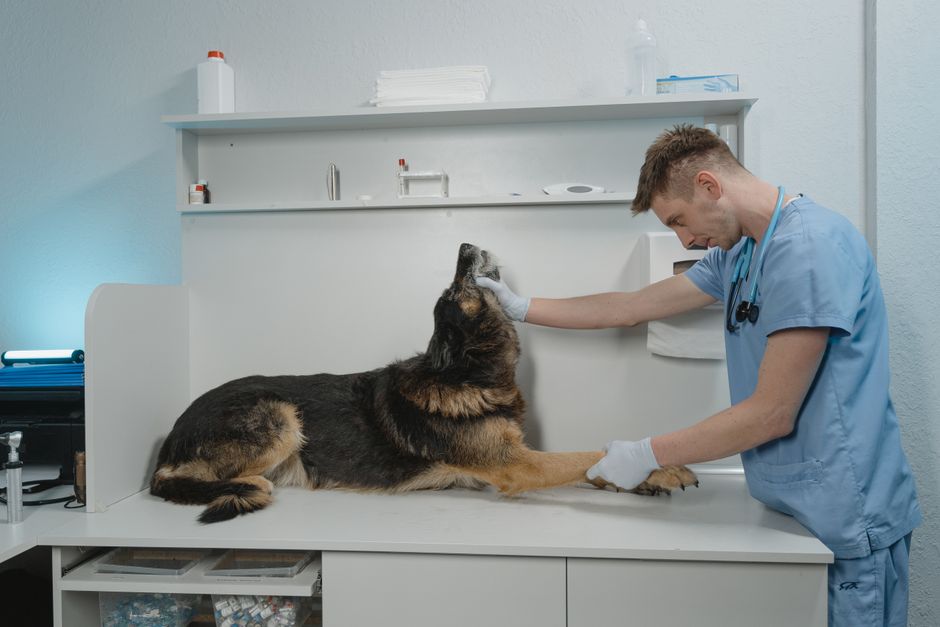
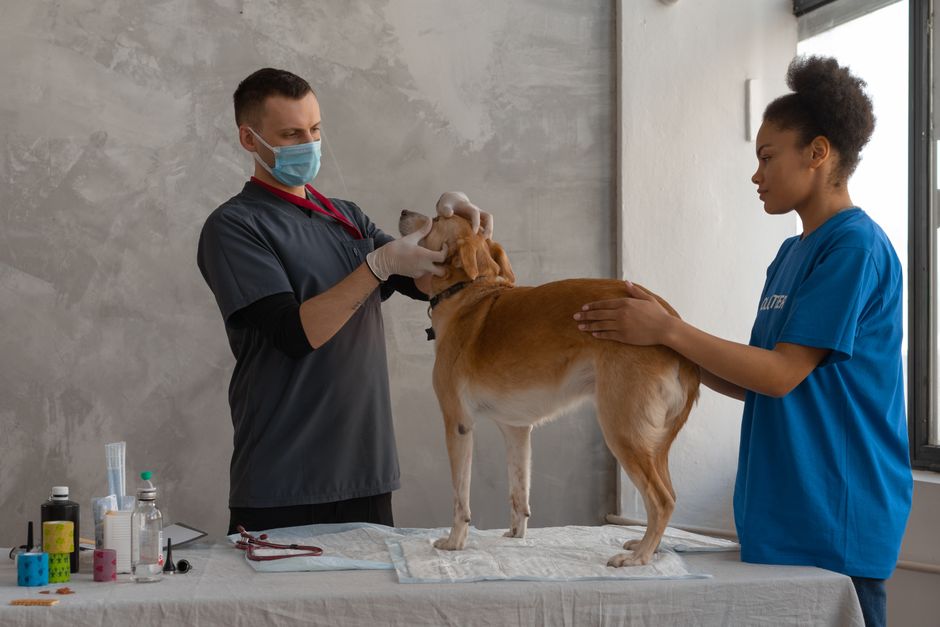
When your pet is struggling with persistent allergy symptoms, our veterinary team at Switzerland Animal Hospital uses a thorough approach to diagnosis and treatment. During your visit, we start by conducting a comprehensive physical examination, reviewing your pet’s history, and asking about any recent changes in environment or behavior. Depending on your pet’s symptoms, we may recommend additional diagnostics such as skin scrapings, cytology, or blood tests to rule out other causes of itching and inflammation.
For many pets, a wellness examination is the first step to identifying and managing seasonal allergies. Regular exams help catch subtle changes in your pet’s health before they become major issues. Learn more about the importance of a wellness examination for dogs and cats and how it supports long-term comfort.
If allergies are confirmed, treatment options may involve a combination of therapies. These can include prescription medications such as antihistamines, corticosteroids, or newer options like Apoquel and Cytopoint for dogs. For pets with secondary infections due to scratching, antibiotics or antifungal medications may be necessary. Our team may also recommend medicated shampoos or topical treatments to soothe irritated skin. In some cases, allergy testing and immunotherapy (allergy shots) can help desensitize your pet to specific allergens over time.
At Switzerland Animal Hospital, we tailor each treatment plan to your pet’s unique needs, ensuring the safest and most effective path to relief. Our in-house diagnostic laboratory services allow for quick evaluation of underlying issues, helping us develop a targeted strategy for your dog or cat.
What Can Pet Owners Do at Home? Practical Prevention and Care Tips
While professional veterinary care is essential for managing moderate to severe allergies, there are several steps you can take at home to help minimize your pet’s exposure to allergens and reduce symptoms. Regular bathing with a gentle, pet-safe shampoo can remove pollen, dust, and mold spores from your pet’s coat. Wiping your dog’s paws and fur after walks is a practical way to limit the amount of allergens tracked indoors. For cats, frequent brushing and keeping bedding clean can help reduce coat irritation.
Vacuuming carpets and upholstery often, using air purifiers, and keeping windows closed during high pollen days are all effective strategies for reducing indoor allergens. Washing pet bedding, toys, and blankets in hot water removes lingering pollen and dust mites. Be sure to keep your yard well-maintained, reducing tall grass and weeds where pollen levels are highest.
Flea control is another crucial aspect of allergy management. Use veterinarian-recommended flea preventives year-round, even if your pet primarily stays indoors. Remember that over-the-counter products may not be as effective or safe as those prescribed by your veterinarian.
For pets with mild allergies, these home care measures can make a significant difference. However, if symptoms persist or worsen, it’s important to seek professional guidance to prevent complications like skin infections or chronic discomfort.
When Should You Schedule a Veterinary Appointment?
Determining when to consult your veterinarian can be challenging, especially when symptoms seem mild or come and go with the seasons. However, there are clear warning signs that signal the need for professional evaluation. If your pet is experiencing relentless scratching, biting, or licking, develops open sores, loses fur, or has visible redness or swelling, it’s time to reach out to a veterinary professional. Additional signs that require attention include repeated ear infections, a musty or foul odor from the skin, or changes in behavior such as restlessness or irritability.
Eye issues, such as discharge or frequent squinting, can also be related to allergies and should not be ignored. For dogs, our guide to limping, open wounds, and eye issues can help you assess when urgent care may be needed. Cat owners can find more information on eye discharge and squinting in cats to help determine if a veterinary visit is warranted.
Prompt veterinary care is especially important if your pet’s symptoms interfere with daily life, disrupt sleep, or result in self-inflicted injuries. Our team at Switzerland Animal Hospital is committed to providing compassionate, thorough care to restore your pet’s comfort and quality of life.
Keeping Your Pet Comfortable in St. Johns: A Team Effort
Helping your pet thrive during allergy season requires a combination of attentive home care and expert veterinary support. At Switzerland Animal Hospital, our veterinary team partners with you to identify triggers, manage symptoms, and prevent future flare-ups for your dog or cat. Whether you’re dealing with a mild case of seasonal itching or a more complex allergic condition, we’re here to provide answers and relief.
If you’re searching for a veterinarian near me in the St. Johns area who understands the unique challenges of Florida’s climate, Switzerland Animal Hospital is ready to help. Schedule an appointment with our caring professionals by calling (904) 287-2527 or visiting us at 1430 State Rd 13 N, Saint Johns, FL 32259. For more information about our comprehensive pet exams and allergy management, explore our pet examinations page. Your pet’s comfort, health, and happiness are our top priorities, every season of the year.
This article is intended for informational purposes only and does not substitute for professional veterinary advice. If your pet is experiencing severe symptoms or you are concerned about their health, please contact Switzerland Animal Hospital or your local veterinarian promptly.