
How to Prepare Your Pet for Surgery in St. Johns


How to Prepare Your Pet for Surgery in St. Johns
Facing a surgical procedure for your beloved dog or cat can be daunting, especially if you are unsure what to expect or how to help your pet feel safe and comfortable. At Switzerland Animal Hospital, located at 1430 State Rd 13 N, Saint Johns, FL 32259, we understand that preparing for surgery brings many questions and concerns. Our veterinary team is committed to guiding you every step of the way, from pre-operative instructions to post-surgical care, ensuring your pet’s experience is as smooth and stress-free as possible. In this guide, we will walk you through the essential steps to get your pet ready for surgery, explain what happens at our St. Johns facility, and offer tips to support a healthy recovery. Whether your pet is scheduled for a routine procedure or a more complex surgery, you will find practical advice and reassurance to help you feel confident about your pet’s care. If you are looking for more information about the types of procedures we offer, you can explore our surgery services page.
Recognizing When Your Pet Needs Surgery
Understanding when surgery is necessary can help you prepare mentally and emotionally for your pet’s procedure. At Switzerland Animal Hospital, our veterinarians recommend surgery for a variety of reasons, ranging from preventive care to addressing urgent health concerns. Common situations that may lead to a surgical recommendation include spaying or neutering, removal of masses or tumors, dental extractions, repairing injuries, or treating conditions such as ear infections that do not respond to medication. Some pets may show signs that surgery is needed, such as persistent limping, swelling, unusual lumps, difficulty eating, or chronic pain that does not improve with conservative management. Additionally, dental disease, loose teeth, or severe oral discomfort can point toward the need for surgical dental care.
If your pet has been diagnosed with a condition that requires surgery, our team will provide a thorough explanation of why the procedure is recommended and what outcomes you can expect. We know it can be difficult to process this news, especially when your pet seems otherwise healthy or when the diagnosis comes as a surprise. Rest assured, our team’s primary goal is to recommend procedures that will improve your pet’s quality of life and long-term health.
Why Pets Need Surgery: Exploring the Causes and Factors
Surgery in veterinary medicine serves a variety of purposes, just as it does in human healthcare. Preventive procedures, such as spaying and neutering, play a major role in reducing the risk of certain cancers and unwanted litters. In many cases, surgery is needed to diagnose or treat disease processes that cannot be managed with medications alone. For example, masses or tumors may require removal to prevent spread or alleviate discomfort, while injured ligaments or bones might need surgical stabilization for proper healing.
Other contributing factors that may lead to surgical intervention include chronic infections that do not resolve with antibiotics, congenital abnormalities, and dental disease that progresses beyond what can be addressed through regular cleanings. In St. Johns and surrounding communities, we frequently see pets who develop growths on the skin, oral tumors, or injuries from outdoor activity, all of which may require surgical attention. The Florida climate can also contribute to skin conditions or ear problems that occasionally progress to the point where surgery becomes the best option.
Our veterinary professionals will discuss the specific cause behind your pet’s need for surgery, making sure you understand the reasoning behind each recommendation. For more information about the advanced surgical options we provide, including laser surgery for precise and minimally invasive procedures, you can read about our laser surgery services.
What to Expect: The Day Before and Day of Surgery
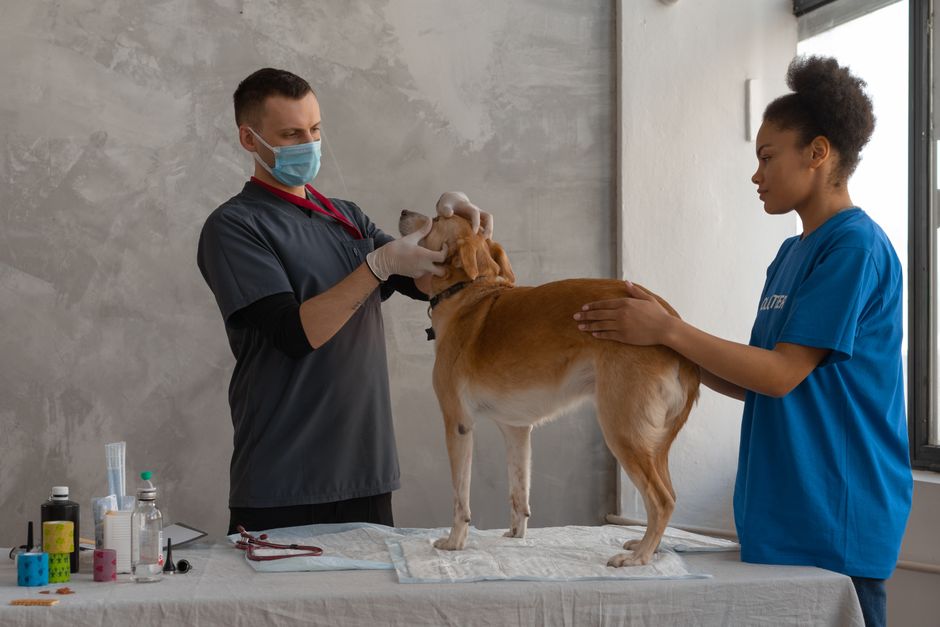
Preparing for your pet’s surgery is an important part of ensuring a safe and successful outcome. Once a surgical procedure is scheduled at Switzerland Animal Hospital, our team will provide detailed pre-operative instructions tailored to your pet’s specific needs. In most cases, your dog or cat will need to fast—meaning no food after a certain time the night before surgery. Water may be allowed until the morning of the procedure, depending on the type of surgery and your pet’s health status. Your veterinarian will let you know exactly when to withhold food and water.
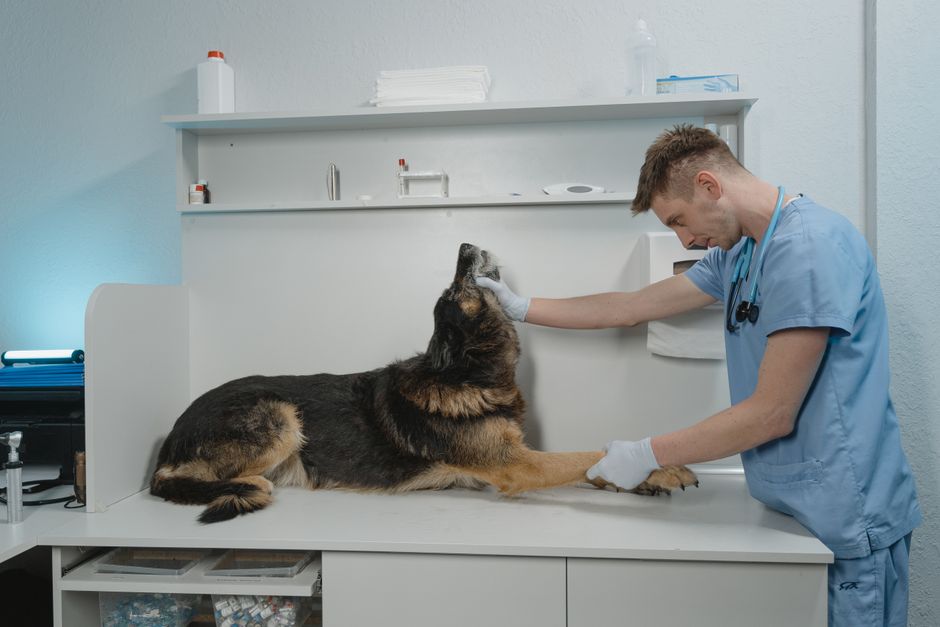
On the morning of surgery, it is important to arrive at the hospital on time and bring any medications your pet is currently taking. When you check in, our veterinary team will review your pet’s medical history, perform a pre-anesthetic exam, and address any last-minute concerns. We may recommend pre-surgical bloodwork to assess organ function and ensure your pet is healthy enough for anesthesia. This step is especially important for older pets or those with chronic health conditions.
Your pet will then be settled into a comfortable, quiet area to minimize stress before surgery. Throughout the procedure, our veterinarians use state-of-the-art monitoring equipment to track your pet’s vital signs and ensure a safe anesthetic experience. We offer advanced surgical options such as LigaSure procedures and K-Laser therapy to support gentle tissue handling and promote faster healing, depending on the nature of your pet’s surgery.
Supporting Your Pet’s Recovery: At-Home Care and Monitoring
Once your pet’s surgery is complete, our veterinary team will provide you with clear instructions for post-operative care at home. Recovery recommendations typically include restricting activity, monitoring the incision site for redness or discharge, and administering prescribed medications such as pain relievers or antibiotics. It is essential to follow all instructions carefully to prevent complications and support healing.
You may notice your pet is groggy or less energetic than usual after surgery; this is normal and should improve within a day or two. It is important to keep your pet calm and comfortable, providing a quiet resting area away from children or other pets. Prevent your pet from licking or chewing at the incision, which may require the use of an Elizabethan collar (also known as a “cone”).
If your pet had a dental procedure, be prepared for some temporary changes in eating habits or mild mouth discomfort. Our team will let you know when it is safe to resume normal activities and feeding.
For pets who have undergone orthopedic or more complex surgeries, we may recommend additional therapies such as K-Laser therapy to reduce inflammation and speed up recovery. Always contact our veterinary team if you have questions or concerns during your pet’s recovery period.
Preventing Complications and Promoting Healing
Taking proactive steps at home is one of the best ways to support your pet’s post-surgical recovery and prevent complications. Ensure your pet completes all prescribed medications, even if they appear to be feeling better before the medication is finished. Keep the surgical site clean and dry, and avoid bathing your pet until your veterinarian confirms it is safe to do so.
Monitor your pet closely for any signs of trouble. Warning signs that warrant prompt veterinary attention include persistent vomiting, refusal to eat or drink for more than 24 hours, swelling or excessive redness at the incision, discharge with a foul odor, or sudden changes in behavior such as lethargy or difficulty breathing. These symptoms could indicate infection, reaction to medication, or other complications that need professional evaluation.
Maintaining regular follow-up appointments is essential. Our veterinary professionals will assess your pet’s healing progress, remove stitches if necessary, and provide further instructions for returning to normal activity. If your pet is due for routine preventive care or wellness monitoring, you can schedule a wellness examination at our St. Johns clinic.
When to Seek Veterinary Care: Trusting Your Instincts
As a pet owner, you know your dog or cat best. If something does not seem right after surgery or you are concerned about your pet’s comfort, do not hesitate to reach out. Some situations require immediate attention, such as difficulty breathing, collapse, seizures, severe swelling, or uncontrollable bleeding. In these cases, contact our team without delay to ensure your pet receives prompt care.
For less urgent concerns, such as mild swelling, temporary loss of appetite, or changes in behavior, we encourage you to call our office and speak with one of our veterinarians. Our team is always available to answer questions and provide guidance throughout your pet’s recovery.
Remember, every pet is unique, and recovery timelines may vary. Open communication with your veterinary team is the best way to ensure a positive outcome for your furry family member.
Your Partner in Pet Surgery and Recovery in St. Johns
Preparing your pet for surgery can feel overwhelming, but with the right information and support from the veterinary team at Switzerland Animal Hospital, you can approach your pet’s procedure with confidence. By understanding the reasons behind surgery, following pre-operative instructions, and providing attentive care at home, you are giving your pet the best opportunity for a safe and speedy recovery.
If your pet is scheduled for surgery or you have concerns about their health, we are here to help. To discuss your pet’s upcoming procedure, ask questions about the recovery process, or schedule a pre-surgical consultation, contact our team at (904) 830-5156. You can also visit us in person at 1430 State Rd 13 N, Saint Johns, FL 32259.
When searching for a veterinarian near me, it is important to choose a practice that prioritizes both surgical expertise and compassionate care. At Switzerland Animal Hospital, we are honored to serve families in St. Johns and surrounding communities with comprehensive veterinary services and a commitment to your pet’s lifelong health. For more details about our surgical capabilities and the types of procedures we offer, you can explore our surgery services page.
Your pet’s safety and comfort are always our top priorities. Let us be your trusted partner in every step of your pet’s healthcare journey.