
How to Protect Your Pet From Damp Weather Illnesses


How to Protect Your Pet From Damp Weather Illnesses
Florida’s mild winters can seem like a relief compared to harsher climates, but February brings its own challenges for pet owners in St. Johns and nearby communities. Damp weather, chilly mornings, and soggy afternoons can all increase the risk of certain illnesses for both dogs and cats. At Switzerland Animal Hospital, located at 1430 State Rd 13 N, Saint Johns, FL 32259, our veterinary team understands how local weather patterns can affect your pet’s health. That’s why we’re here to share expert tips on recognizing, preventing, and managing the most common cold-weather ailments in pets. In this blog, you’ll learn how damp conditions can impact your furry friend, what symptoms to watch for, and when it’s time to schedule an appointment for a professional evaluation. We’ll also offer actionable advice to help you keep your pet comfortable and healthy all season long. If you’re looking for reliable guidance from a trusted St. Johns vet, our team is here to help.
Recognizing Damp Weather Illnesses in Pets
Understanding how damp weather affects pets begins with being able to spot early warning signs. Cats and dogs are both susceptible to a variety of ailments that thrive in cool, wet conditions, especially when the ground stays saturated or the humidity remains high. Key symptoms of weather-related illnesses include persistent coughing, sneezing, nasal discharge, and watery eyes. You might also notice lethargy, loss of appetite, shivering, or an unwillingness to go outside. In some cases, pets develop skin issues like hot spots or fungal infections, particularly if their fur remains damp after walks or playtime. For dogs prone to arthritis or joint discomfort, damp weather can make stiffness or limping more pronounced. Always keep an eye out for changes in behavior, such as hiding, increased irritability, or excessive licking of the paws and skin. When any of these symptoms develop, it’s important not to dismiss them as normal reactions to the weather. Instead, consider whether your pet may be developing an underlying health issue that requires attention.
Why Damp Weather Poses Health Risks for Pets
Chilly, damp conditions create an environment where certain viruses, bacteria, and fungi can thrive. Respiratory infections such as kennel cough in dogs and upper respiratory infections in cats are more easily transmitted when pets spend time in close quarters—such as boarding facilities or during indoor playgroups—especially when the air is humid. Fleas and ticks may also become more active in moist weather, increasing the risk of skin irritation and disease transmission. For pets with thick or double coats, moisture can become trapped close to the skin, setting the stage for hot spots or fungal infections. Dampness also exacerbates joint stiffness in older pets or those with arthritis, making movement more painful and reducing their willingness to exercise. Additionally, sudden temperature drops, even if brief, can challenge your pet’s immune system. Fluctuations between warm and cool weather can leave pets more vulnerable to illnesses that they might otherwise resist during more stable seasons. Indoor heating, while comforting, can dry out nasal passages and make pets more susceptible to viruses and bacteria. Understanding these factors helps you anticipate problems before they become severe.
How Our Veterinary Team Diagnoses and Treats Weather-Related Illnesses
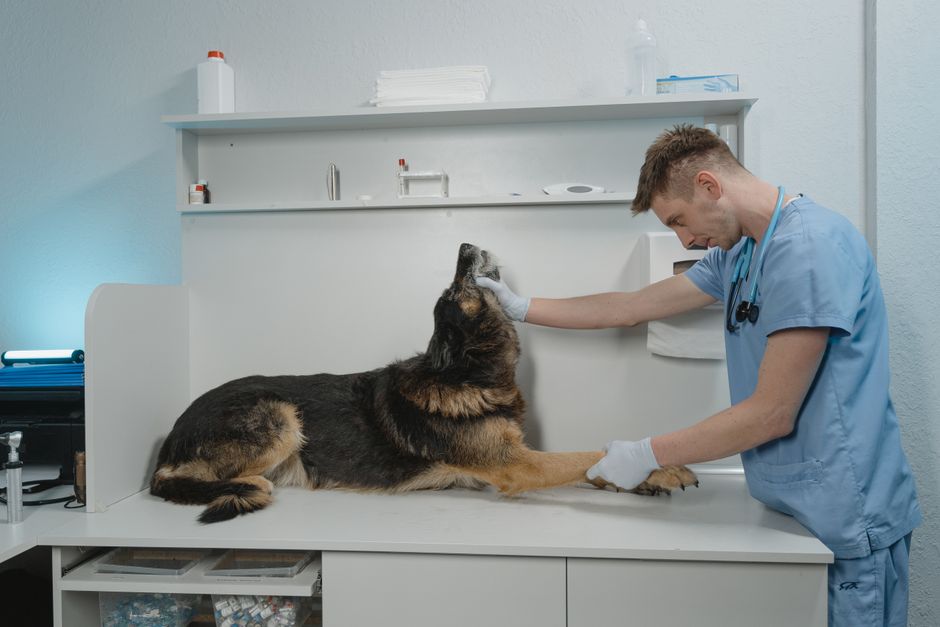
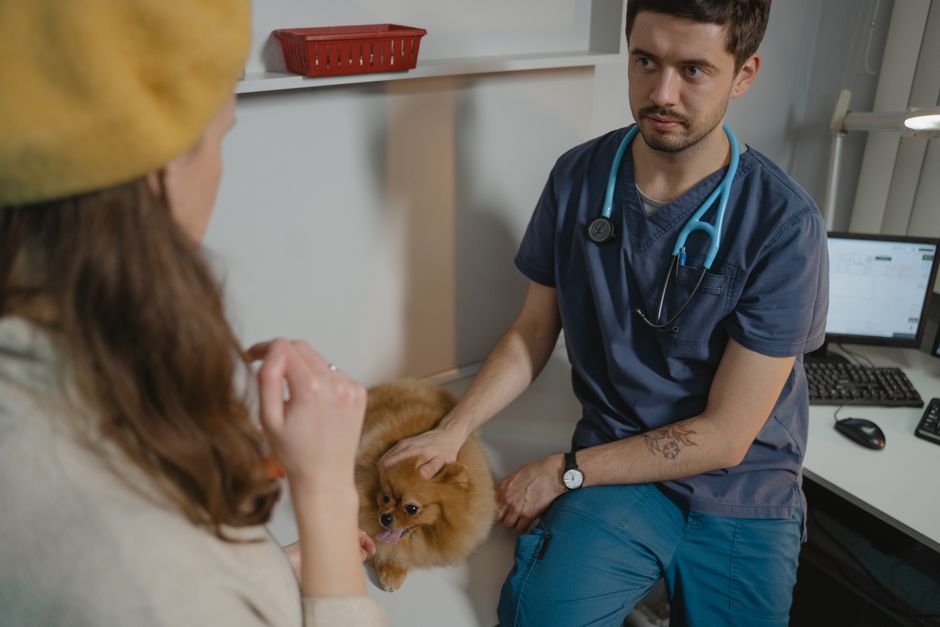
If you notice persistent symptoms in your pet during damp weather, our veterinarians at Switzerland Animal Hospital are prepared to help. During a wellness examination, we review your pet’s full medical history, conduct a thorough physical examination, and may recommend diagnostic tests such as digital radiography or laboratory analysis to pinpoint the cause of symptoms. Common conditions like respiratory infections are typically managed with supportive care, which may include medications to ease coughing, antibiotics for bacterial causes, or nebulization to keep airways clear. For skin problems, our team may suggest medicated shampoos, topical treatments, or, in the case of severe allergic reactions, oral medications. Pets experiencing joint stiffness or pain can benefit from therapies like K-Laser therapy, anti-inflammatory medications, or dietary supplements recommended by our veterinarians. In cases where symptoms are more severe or fail to resolve quickly, additional diagnostics—like ultrasound or advanced imaging—may be needed to rule out underlying conditions. Our goal is always to relieve discomfort, resolve infections, and provide guidance on home management so your pet can recover comfortably.
Practical Tips for Preventing Damp Weather Illnesses at Home
Prevention begins with a few simple routines and adjustments tailored to our local climate. After every outdoor adventure, gently towel-dry your pet’s coat and paws, paying special attention to areas where moisture can linger, such as between the toes and under the legs. If your dog or cat is prone to skin sensitivities, use a pet-safe drying spray or ask our veterinarians for recommendations on hypoallergenic grooming products. Make sure your pet has a warm, dry place to rest indoors, away from cold drafts or damp flooring. Regularly wash and thoroughly dry bedding to prevent the buildup of mold or bacteria. For pets that require outdoor walks, consider protective rain gear or pet-safe booties to minimize contact with wet grass and mud. Keep your pet’s coat well-groomed, as matted fur holds moisture and increases the risk of skin problems. Staying up to date on vaccination services is also crucial, since vaccines help protect against respiratory illnesses that are more common in colder, wetter months. For pets with chronic conditions such as arthritis, gentle indoor exercise and joint supplements—when recommended by your veterinarian—can help maintain mobility and comfort. Always provide plenty of fresh water and monitor your pet’s appetite, as decreased food intake may signal the onset of illness.
When to Schedule a Veterinary Visit
It’s natural to wonder when a home remedy is sufficient and when professional care is needed. In general, you should contact our veterinary team promptly if your pet exhibits persistent coughing, difficulty breathing, green or yellow nasal discharge, or signs of pain and lethargy that last more than a day or two. Refusal to eat, vomiting, diarrhea, or a sudden change in behavior also warrant a closer look. Pets with pre-existing medical conditions—such as heart disease, diabetes, or compromised immune systems—should be seen sooner rather than later, as they are more susceptible to complications from damp-weather illnesses. If you are ever unsure whether your pet’s symptoms are cause for concern, our experienced veterinarians are just a call away. Timely intervention can make a significant difference in recovery and help prevent minor issues from escalating into more serious problems. Remember, every pet is unique, and what may be a mild cold in one animal could become a severe illness in another. Don’t hesitate to schedule an appointment if you have any questions about your pet’s health this season.
Keeping Your Pet Well Through Every Season
Damp February weather in St. Johns brings its own set of challenges, but with proactive care and attention, your pet can remain comfortable and healthy year-round. By recognizing early signs of illness, understanding why these conditions develop, and practicing simple home care routines, you can reduce your pet’s risk of cold-weather ailments. Our veterinary professionals at Switzerland Animal Hospital are committed to providing compassionate, comprehensive care for every member of your furry family. If you notice concerning symptoms or want to ensure your pet is fully protected, we encourage you to schedule a visit for a wellness examination or discuss any questions you have about vaccination services.
When you’re searching for a veterinarian near me who truly understands the needs of pets in St. Johns and surrounding communities, look no further than Switzerland Animal Hospital. Our dedicated veterinary team is always here to help you navigate seasonal health concerns and provide expert guidance tailored to your pet’s unique needs. To schedule an appointment or speak directly with our veterinary professionals, call (904) 830-5156 or visit us at 1430 State Rd 13 N, Saint Johns, FL 32259. Your pet’s health and happiness are our top priorities, no matter what the forecast brings.
This article is for informational purposes only and does not replace professional veterinary care. Always consult your veterinarian for individualized medical advice or if your pet is experiencing symptoms of illness.