
Managing Allergies in Dogs and Cats During Florida’s Rainy Season

Managing Allergies in Dogs and Cats During Florida’s Rainy Season
If you have noticed your dog or cat scratching more than usual, licking their paws, or showing signs of skin discomfort once Florida’s rainy season hits, you are not alone. Here in St. Johns and the surrounding communities, our humid, rainy summers can create the perfect storm for pet allergies. At Switzerland Animal Hospital, we understand how frustrating it can be to watch your four-legged family member struggle with itching, hair loss, or skin redness. In this post, we will walk you through how Florida’s wet weather impacts allergy symptoms in pets, explain what to watch for, and share effective ways to help keep your dog or cat comfortable all summer long. You will also learn when it is time to schedule an appointment with our veterinary team at 1430 State Rd 13 N, Saint Johns, FL 32259 for further support.
Recognizing Allergy Symptoms in Your Dog or Cat
Florida’s rainy season often means high humidity, frequent afternoon thunderstorms, and a dramatic increase in environmental allergens like mold and pollen. These conditions can trigger allergy flare-ups in both dogs and cats. Key symptoms of allergies in pets include persistent scratching, licking or chewing at the paws or body, red or inflamed skin, and sometimes hair loss or scabs. You might also notice watery eyes, sneezing, or frequent ear infections, particularly in dogs with floppy ears. In cats, over-grooming or small scabs along the back and neck are common signs of discomfort due to allergies. If your dog seems restless at night, or your cat is hiding more than usual, these behaviors can also indicate that allergies are causing discomfort.
Why Do Pets Have More Allergies During Florida’s Rainy Season?
Florida’s subtropical climate creates ideal conditions for environmental allergens to thrive. During the rainy season, mold spores multiply rapidly, while grass and weed pollen levels soar. Fleas also become more active in humid weather, which can trigger allergic reactions in sensitive pets. Many dogs and cats have atopic dermatitis, a condition where the immune system overreacts to common airborne substances. For others, allergies may be caused by flea bites or even food sensitivities, but seasonal environmental triggers are by far the most common culprit during summer months in St. Johns.
The skin serves as your pet’s first line of defense, but heat, humidity, and frequent rain can compromise its natural barrier. When the skin becomes damp and inflamed, allergens penetrate more easily, leading to increased itching and secondary infections. If your yard or neighborhood has lush growth after rain, or if you notice musty smells indoors, it is likely that your pet is encountering more allergens than usual. Even indoor-only cats can be affected, since pollen and mold spores can be brought in on shoes, clothing, or through open windows.
Professional Allergy Treatments and What to Expect
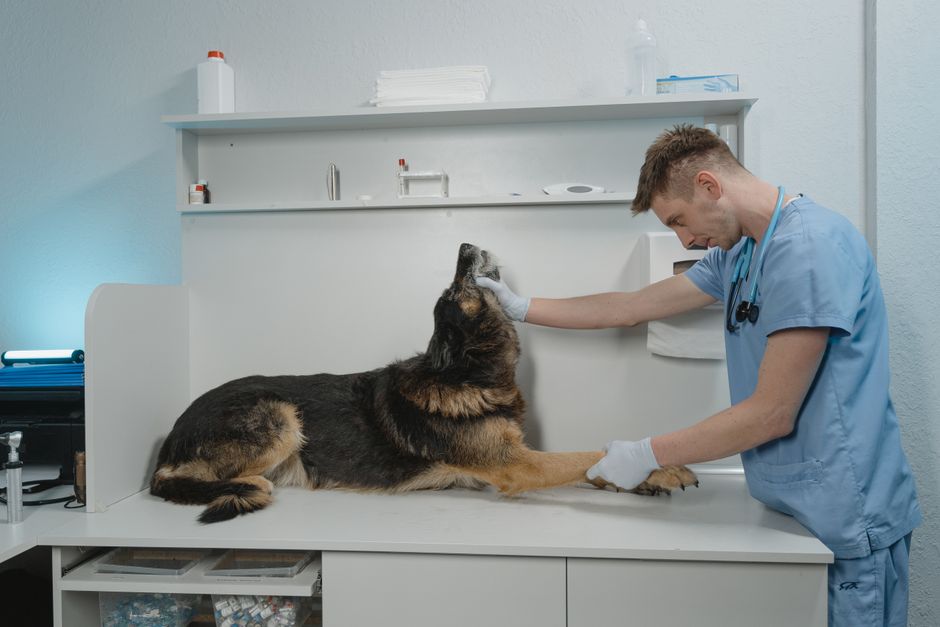
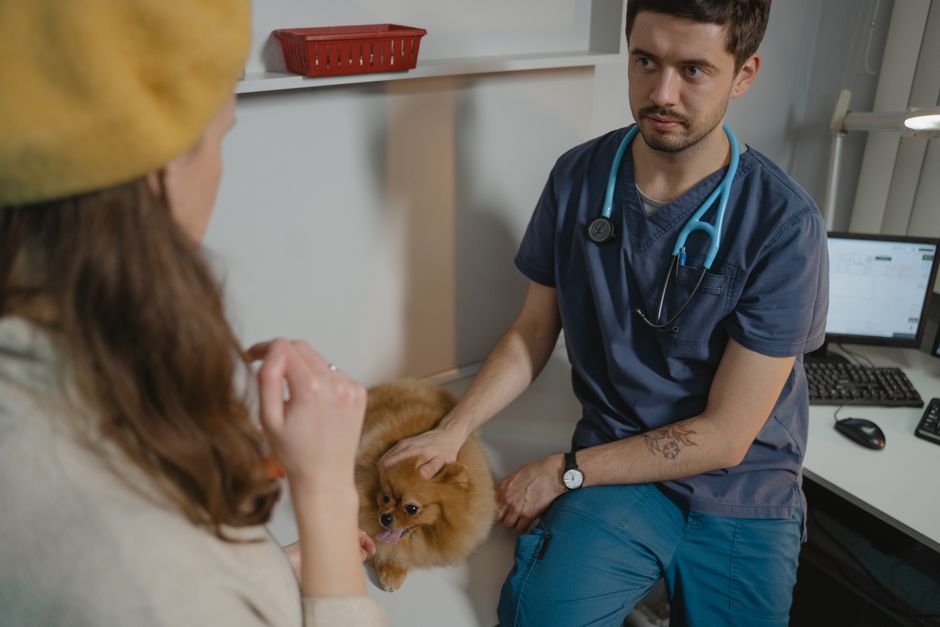
When allergies get the better of your dog or cat, our veterinary team at Switzerland Animal Hospital can provide much-needed relief. During your pet’s visit, we will perform a thorough physical examination and talk with you about their symptoms and lifestyle. We may recommend diagnostic testing, such as skin scrapings, cytology, or bloodwork, to determine the specific cause of your pet’s discomfort. Sometimes, we will suggest allergy testing if signs are persistent or severe. Our pet diagnostic lab allows us to quickly evaluate infections or rule out other underlying conditions.
Treatment approaches often involve medicated shampoos to soothe the skin and remove allergens, oral or injectable medications to reduce itchiness and inflammation, and topical therapies to promote skin healing. For pets with suspected food allergies, we may recommend a veterinary-supervised elimination diet. If flea allergies are involved, rapid flea control is essential; our team can help you select the most effective, safe products for your pet’s needs. In some cases, we may suggest allergy shots (immunotherapy) for long-term management. Throughout treatment, our goal is to provide relief while minimizing the risk of secondary infections or complications.
At-Home Strategies to Ease Your Pet’s Allergy Symptoms
There are several practical steps you can take at home to help your dog or cat feel more comfortable during allergy season. Bathing your pet with a gentle, veterinarian-recommended shampoo can wash away allergens and calm inflamed skin; be sure to dry them thoroughly to avoid trapping moisture. Wiping your pet’s paws and belly with a damp cloth after walks can remove pollen and mold spores before they cause irritation. Regular vacuuming, washing bedding in hot water, and using air purifiers may also help reduce indoor allergens.
For pets that go outside, try to avoid walks during peak pollen times, usually in the early morning and late afternoon. Monitor your pet’s skin closely for any changes and keep their coat well-groomed to identify problems early. If your pet has a history of flea allergies, maintain a consistent flea prevention routine, especially during the humid months. Remember, never give over-the-counter allergy medications to your pet without veterinary guidance, as some human drugs can be dangerous for dogs and cats.
When to Schedule a Veterinary Visit
While mild allergy symptoms can often be managed at home, certain warning signs mean it is time to seek professional care. If your dog or cat is scratching so much that they are developing raw or bleeding spots, if you notice a foul odor from the skin, or if they seem lethargic and uninterested in food, these are signs that secondary infection or a more serious condition could be present. Frequent ear infections, repeated vomiting or diarrhea, or swelling around the eyes and muzzle also warrant an immediate veterinary visit. The team at Switzerland Animal Hospital is always ready to help you address these concerns, providing both thorough wellness examinations and urgent care when needed.
If you are unsure whether your pet’s symptoms require a visit, it is always better to err on the side of caution. Dogs and cats with chronic allergies benefit from an ongoing relationship with their veterinary team, allowing for tailored treatment plans that adjust as your pet’s needs change. Our veterinarians are committed to supporting your pet’s comfort and health through every season.
Supporting Your Pet Through Florida’s Allergy Season
Florida’s rainy, muggy summers can make life uncomfortable for dogs and cats prone to allergies, but with the right support, your pet can enjoy the season with less itching and more playtime. By recognizing the signs of allergies, taking steps to reduce exposure at home, and partnering with a trusted veterinary team, you can make a big difference in your pet’s quality of life. If you ever find yourself searching for a veterinarian near me because your pet is struggling with allergy symptoms, know that Switzerland Animal Hospital is here to help.
To schedule an appointment, call our friendly team at (904) 830-5156 or visit us at 1430 State Rd 13 N, Saint Johns, FL 32259. You can also learn more about our wellness examination services and pet diagnostic lab to see how we support pets in St. Johns and the surrounding area. Our veterinary team looks forward to helping your dog or cat stay comfortable, healthy, and happy all year long.
This blog is intended for informational purposes only and does not replace professional veterinary care. Always consult your veterinarian for specific advice about your pet’s health.