
OFA Dogs: Why Health Screening Matters in St. Johns
OFA Dogs: Why Health Screening Matters in St. Johns
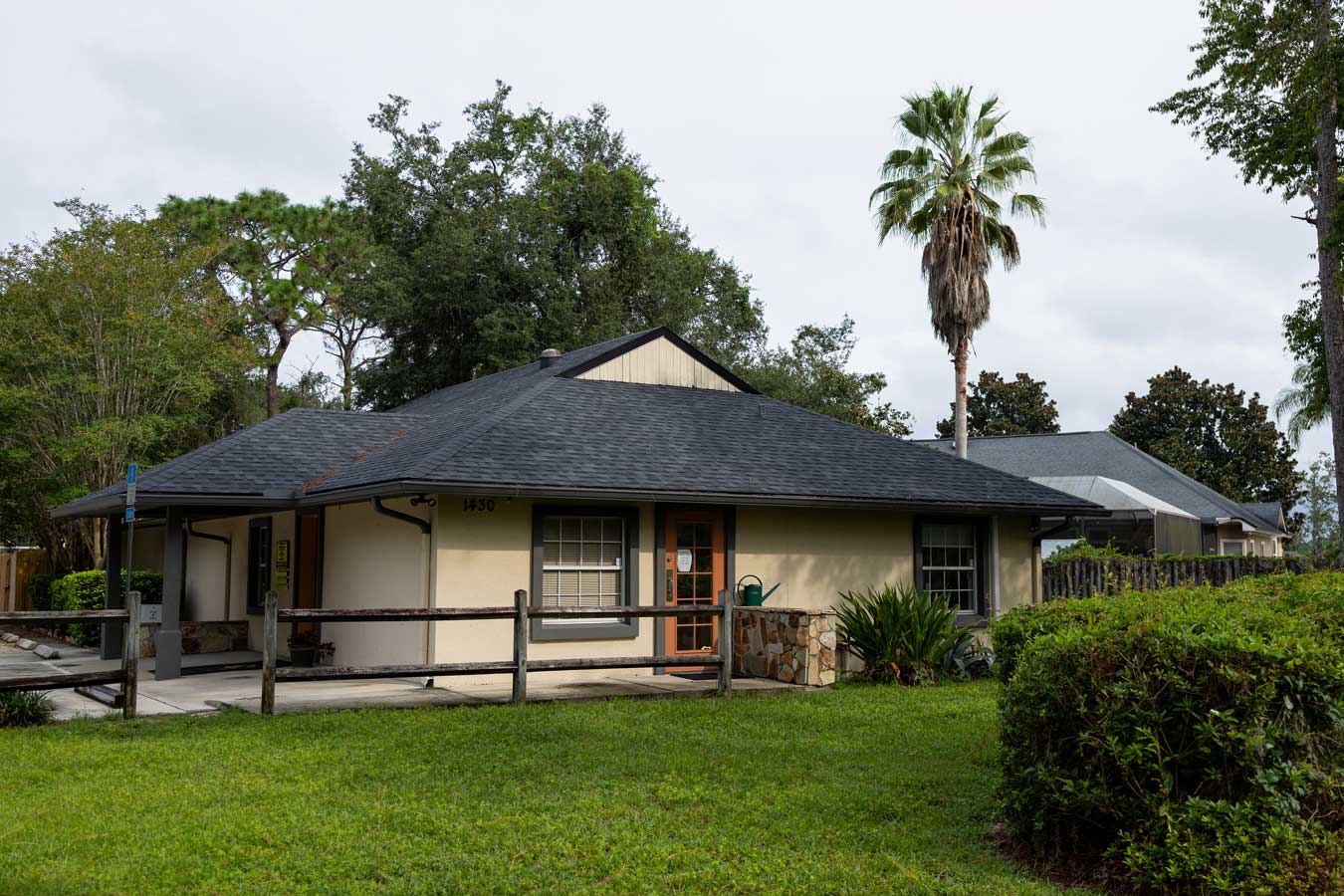
If you’re a dog owner in St. Johns, FL, you’ve likely heard about OFA dogs or seen references to health certifications, especially if you’re considering breeding, adopting, or simply wanting the best for your companion. But what do these certifications mean, and why are orthopedic screenings so important for your dog’s lifelong wellbeing? At Switzerland Animal Hospital, located at 1430 State Rd 13 N, Saint Johns, FL 32259, our veterinary team is passionate about helping you understand the value of OFA health screening and how it can shape the future health of your canine companion. This blog will guide you through what OFA screening involves, why it matters for dogs in our region, and how our clinic supports responsible breeding and preventive care every step of the way.
Whether you’re a first-time dog parent or a seasoned breeder, orthopedic health concerns can be confusing and overwhelming. We’ll explain how OFA certification works, what hereditary diseases it helps prevent, and how you can take proactive steps to protect your dog’s quality of life. We invite you to learn how regular wellness examinations and open conversations with our veterinary professionals can make all the difference for your dog’s future.
Recognizing the Need: When Should You Consider OFA Screening for Your Dog?
OFA, or the Orthopedic Foundation for Animals, is a leading organization that certifies dogs free of inherited orthopedic diseases such as hip dysplasia, elbow dysplasia, and other joint-related concerns. OFA dogs are those who have undergone official screening to confirm healthy joints, giving owners confidence in their dog’s genetics and physical soundness. But how do you know if your dog should be screened?
Key situations where OFA screening is recommended include planning to breed your dog, adopting a dog from a breeder, or noticing signs of joint discomfort in your pet. Signs that your dog may be experiencing orthopedic issues include stiffness after rising, reluctance to jump or climb stairs, limping, or decreased activity levels. Some breeds are genetically predisposed to joint problems, making screening even more important for Labrador Retrievers, German Shepherds, Golden Retrievers, and other large or giant breeds. Even if your dog seems comfortable, underlying joint issues can develop silently and may not show obvious symptoms until they are advanced.
For families in St. Johns and surrounding communities, our warm climate and active lifestyle mean dogs are often out walking, running, or playing year-round. Recognizing subtle changes in your dog’s mobility or willingness to exercise can be crucial in catching orthopedic issues early. If you’re ever unsure, a comprehensive wellness examination is the best place to start.
Understanding the Causes: Genetics, Lifestyle, and Breed Risks
Orthopedic diseases such as hip and elbow dysplasia are primarily inherited, meaning they are passed down through a dog’s genes. This is why OFA dogs—those who have been screened and certified—are so important for responsible breeding. By only breeding dogs with healthy joints, breeders can reduce the risk of transmitting these painful conditions to future generations.
However, genetics is only part of the story. Environmental and lifestyle factors also play a significant role in orthopedic health. Rapid growth in puppies, excessive weight gain, and over-exercising young dogs can all increase the risk of developing joint problems. For example, a puppy who gains too much weight too quickly, or who is encouraged to jump or run excessively before their growth plates have closed, may be at higher risk even if their genetics are sound.
In St. Johns, where many dogs enjoy outdoor activities, it’s important to balance exercise with age-appropriate activities. Our veterinary team often counsels dog owners on the right mix of activity and rest, and how to support healthy growth in puppies through proper nutrition and management.
OFA Screening and Certification: What’s Involved?
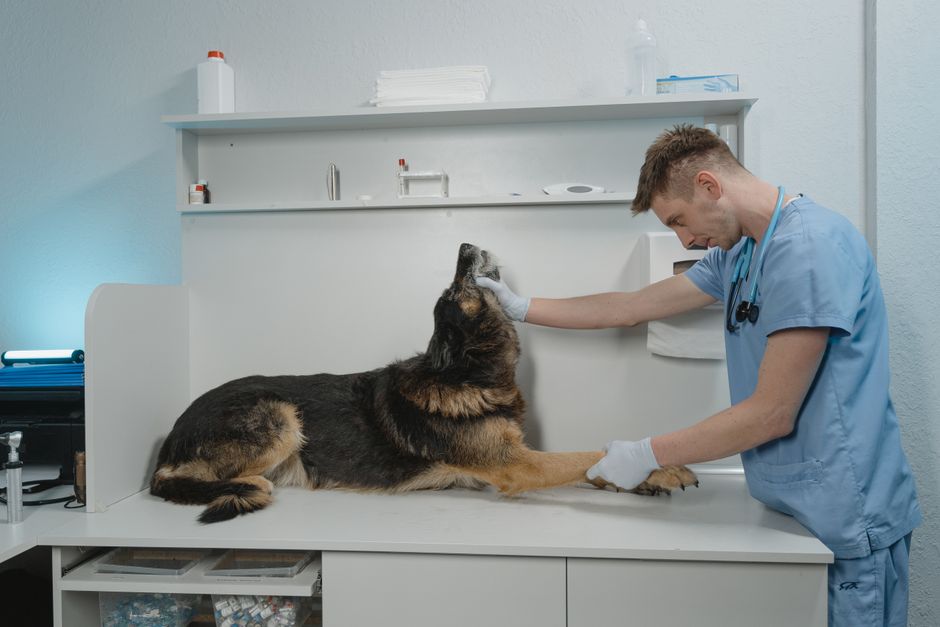
The process for certifying OFA dogs is straightforward but must be performed by a qualified veterinarian. At Switzerland Animal Hospital, our veterinarians use advanced diagnostic tools such as digital radiography to take precise images of your dog’s hips, elbows, or other joints. These radiographs are then submitted to the Orthopedic Foundation for Animals, where a panel of experts evaluates them for signs of dysplasia or other abnormalities.
OFA certification is available for a variety of orthopedic and genetic conditions, including hips, elbows, patellas (kneecaps), cardiac health, and thyroid function. For orthopedic certification, dogs must be at least two years old to receive official clearance, though preliminary screenings can be done as early as four months of age. If you are planning to breed your dog or are considering adopting a puppy, asking about OFA certification and screening history can provide valuable peace of mind.
Our team often works with breeders and pet owners to schedule and perform these screenings, ensuring that the images meet OFA requirements. We also offer guidance on interpreting results and what they mean for your dog’s long-term health.
Treatment and Management of Orthopedic Conditions in Dogs
If an OFA screening or routine examination reveals orthopedic concerns, there are several treatment and management options available. Early intervention is key to preventing pain and preserving your dog’s mobility. Treatment approaches involve weight management, tailored exercise routines, physical therapy, and joint supplements to support cartilage health. For dogs with more advanced conditions, surgical options may be considered. Switzerland Animal Hospital offers a full range of surgical care, including minimally invasive procedures like laser surgery and cryosurgery, which can reduce recovery time and discomfort.
Pain management is another critical aspect, utilizing safe medications and therapies to keep your dog comfortable. Our veterinarians will work closely with you to design a plan that fits your dog’s unique needs, whether that involves lifestyle adjustments or more advanced interventions.
Preventing Orthopedic Problems: Steps Dog Owners Can Take
While genetics play a significant role, there are several steps you can take at home to help your dog maintain healthy joints and avoid orthopedic problems. Ensuring your dog maintains a healthy weight is one of the most effective strategies, as excess weight puts unnecessary stress on the joints. Feeding a balanced diet appropriate for your dog’s age, breed, and activity level supports healthy bone and joint development, especially during puppyhood.
Providing moderate, age-appropriate exercise encourages strong muscles and coordination without overloading developing joints. Avoiding repetitive high-impact activities for puppies, such as jumping off furniture or running on hard surfaces, can also reduce risk. Regular wellness examinations allow our veterinary team to monitor your dog’s development and catch early signs of joint disease before they progress.
If you’re considering breeding your dog, OFA screening is essential for ensuring you contribute to healthier future generations. Even if you’re not breeding, knowing your dog’s orthopedic status can help you make informed decisions about their care, exercise, and lifestyle.
When to Seek Veterinary Care for Orthopedic Concerns
Knowing when to seek professional help is crucial for your dog’s wellbeing. You should schedule an appointment with our veterinary team if you notice your dog showing signs such as persistent limping, difficulty rising, reluctance to play, or any change in mobility. Sudden or severe lameness, especially following injury, warrants immediate attention. For dogs with a family history of orthopedic disease or those belonging to higher-risk breeds, periodic screening is strongly recommended, even in the absence of symptoms.
Our team at Switzerland Animal Hospital is equipped with the latest diagnostic and surgical tools to evaluate and address orthopedic conditions. Early detection and proactive management can often slow disease progression, reduce pain, and keep your dog enjoying their favorite activities for years to come.
OFA Dogs and Lifelong Wellness: Our Commitment to Your Dog’s Health
Choosing OFA dogs and prioritizing health screenings is one of the most important steps you can take to ensure your dog enjoys a long, active, and pain-free life. At Switzerland Animal Hospital, serving St. Johns and surrounding communities, we’re dedicated to supporting responsible breeding, preventive care, and the highest standards of veterinary medicine for every dog we see.
If you are searching for a "vet near me" who understands the importance of OFA certification, look no further than our experienced veterinary team. Whether your goal is to breed responsibly, adopt a healthy puppy, or simply give your dog the best possible start, we are here to guide you through every stage of wellness. Schedule a wellness examination or ask about OFA screening options today by calling (904) 830-5156 or visiting us at 1430 State Rd 13 N, Saint Johns, FL 32259.
Our compassionate veterinarians are ready to answer your questions and help you make the best choices for your dog’s orthopedic health. For more information on responsible breeding, preventive care, or OFA dogs in St. Johns, contact Switzerland Animal Hospital today—because your dog deserves a lifetime of healthy movement and happiness.
This blog is intended for informational purposes only and should not replace professional veterinary advice. Always consult your veterinarian for individualized recommendations regarding your dog’s health.