
Coughing in Dogs and Cats: What St. Johns Owners Should Know


Coughing in Dogs and Cats: What St. Johns Owners Should Know
Is your dog or cat suddenly coughing at home, making you wonder if it’s something minor or a sign of a more serious problem? For pet families in St. Johns, a cough can be unsettling to hear, especially when you’re unsure what’s causing it or how best to help your furry companion. At Switzerland Animal Hospital, located at 1430 State Rd 13 N, Saint Johns, FL 32259, we understand that even a mild cough can leave you feeling worried and wanting answers.
This blog will help you recognize the signs of coughing in dogs and cats, explore common causes ranging from simple irritations to more complex health concerns, and explain how our veterinary team diagnoses and treats these issues. You’ll also discover when a cough is a simple annoyance and when it’s time to schedule an appointment for veterinary diagnostics in St. Johns. Because your pet’s comfort and well-being are always our top priorities, we’ll guide you on how to act quickly and confidently. And if you’re searching for a "vet near me" who truly cares, Switzerland Animal Hospital has been here for your family for decades.
For those looking for in-depth diagnostic support, our pet diagnostic lab is equipped to help uncover the causes behind your pet’s symptoms. Let’s explore what every St. Johns pet owner should know about coughing in dogs and cats.
Recognizing Coughing in Dogs and Cats: When Should You Be Concerned?
It’s not unusual for pets to occasionally cough, just like people might clear their throat from time to time. However, persistent coughing or a sudden change in your pet’s breathing habits can signal a medical issue that needs attention. Knowing when to worry can make all the difference in your pet’s health.
Key symptoms to observe include the frequency and duration of your pet’s cough, whether it sounds wet or dry, and if it is accompanied by additional signs like gagging, retching, or difficulty breathing. Some pets may only cough occasionally, while others develop a cough that disrupts sleep or affects their appetite. You might notice your dog or cat coughing more after exercise, eating, drinking, or when lying down. Other red flags are coughing up mucus or blood, lethargy, wheezing, or blue-tinged gums.
For example, a dog that suddenly develops a hacking cough after a trip to the dog park or a cat that starts coughing after exposure to dust could be experiencing a mild respiratory irritation. On the other hand, a pet who develops a deep, honking cough, labored breathing, or shows signs of distress needs prompt veterinary attention. Keep in mind that coughing in dogs and cats can sometimes be mistaken for vomiting or reverse sneezing, so it’s important to note exactly what your pet is doing and how often it happens.
Recognizing these signs early and discussing them with your veterinarian is a crucial first step toward keeping your pet healthy and comfortable. If you’re ever uncertain, a comprehensive pet exam at our St. Johns location can provide clarity and peace of mind.
Common Causes of Coughing in Dogs and Cats
There are many possible reasons your pet may be coughing, and these can vary by age, breed, lifestyle, and exposure to other animals. Understanding the underlying causes helps you take the right steps and avoid unnecessary worry.
In dogs, coughing is frequently linked to infectious conditions such as kennel cough (canine infectious tracheobronchitis), which is common in environments where dogs socialize, such as boarding facilities or parks. Other causes include irritants like dust, smoke, or pollen, heartworm disease, collapsing trachea (especially in small breeds), allergies, or even heart disease. Sometimes, foreign objects like grass seeds or small toys can become lodged in the throat, triggering sudden bouts of coughing and gagging.
Coughing in cats is often associated with respiratory infections, asthma, heartworm disease (less common but possible in cats), or inhaled irritants. Some cats develop chronic bronchitis or cough due to underlying allergies. Less commonly, coughing can be a sign of heart conditions, parasitic infections, or even masses in the chest.
Environmental factors in St. Johns, such as humid summers, increased pollen during certain seasons, and local wildlife, can contribute to respiratory irritations or the spread of infectious agents. Pets who spend time outdoors or have contact with other animals are at a higher risk for contagious causes. Young puppies, kittens, senior pets, and those with chronic health issues may be more vulnerable to complications.
When you bring your pet in for veterinary diagnostics in St. Johns, our team utilizes advanced tools like digital radiography, ultrasound, and our in-house pet diagnostic lab to pinpoint the source of coughing and create a targeted treatment plan.
How We Diagnose and Treat Coughing: What to Expect at Switzerland Animal Hospital
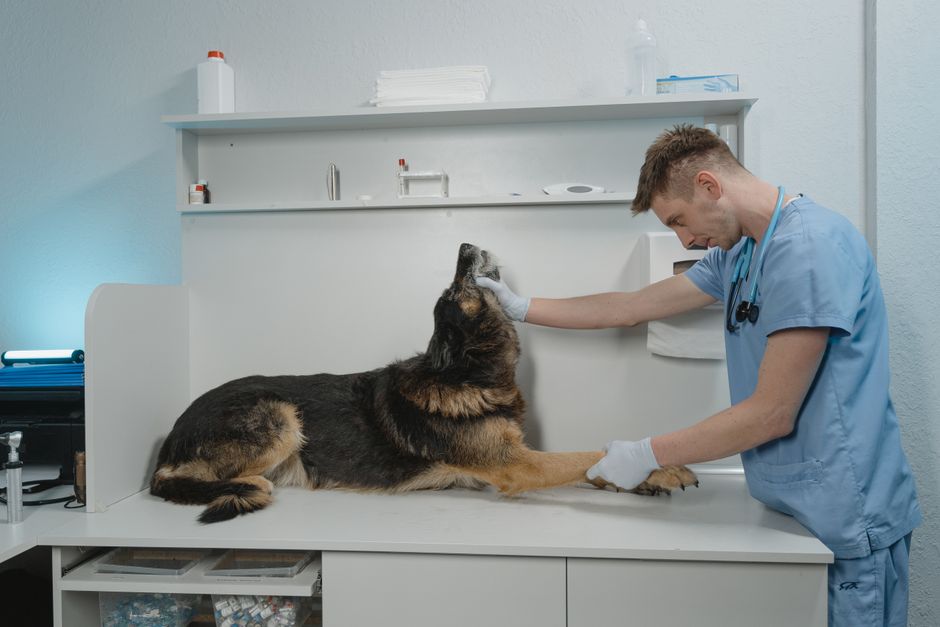
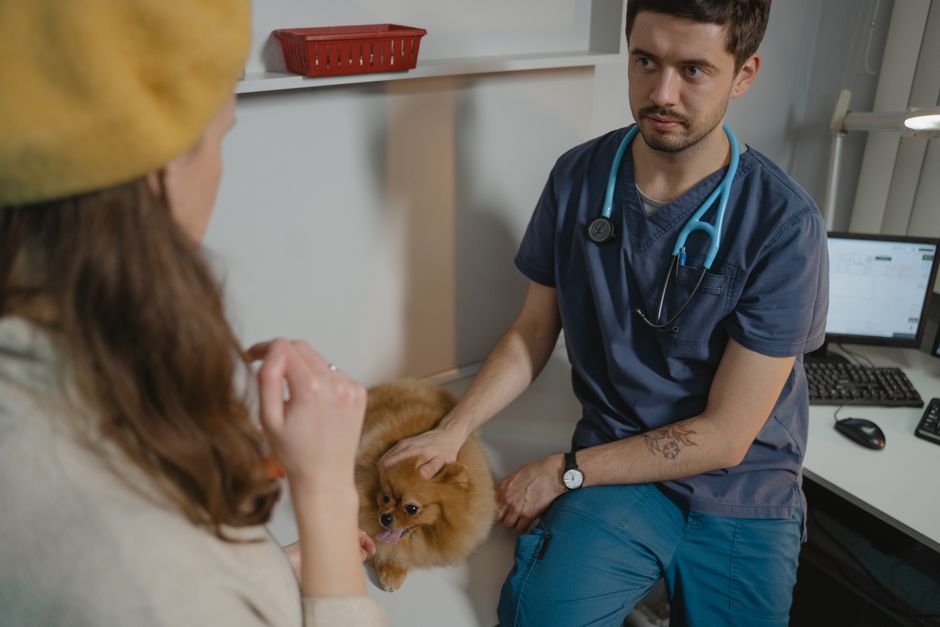
When your pet arrives for an evaluation of coughing in dogs and cats, our veterinarians start with a thorough history and physical examination. We’ll ask about when the cough started, how it sounds, what triggers it, and whether your pet has other symptoms such as nasal discharge, fever, or changes in energy. This information helps us focus our diagnostic approach and rule out potential causes.
Depending on your pet’s symptoms and risk factors, diagnostic steps may include listening to the chest with a stethoscope, checking gum color and breathing rate, and performing imaging tests such as digital X-rays or ultrasound. Our pet diagnostic lab allows us to quickly analyze bloodwork, screen for heartworm, and identify infectious diseases or inflammatory markers. For some cases, we may recommend additional tests like fecal analysis, heartworm antigen testing, or airway sampling.
Treatment approaches depend on the underlying cause. For infectious conditions like kennel cough or feline upper respiratory infections, supportive care and sometimes medications such as antibiotics or cough suppressants may be prescribed. When allergies or asthma are involved, the management plan might include environmental modifications and medications to reduce airway inflammation. Heart disease or heartworm-related coughs require more specialized therapies, sometimes involving lifelong management.
If a foreign object or mass is causing the cough, surgical intervention or other procedures may be needed. Throughout the process, our veterinary team will guide you through each diagnostic step, discuss results, and tailor treatment to your pet’s specific needs. We make it a priority to keep you informed and involved so you feel empowered to make the best choices for your companion.
Preventing Coughing in St. Johns Pets: Home Care and Veterinary Support
While some causes of coughing in dogs and cats cannot be prevented, there are important steps you can take to reduce your pet’s risk. Keeping your pet up to date on vaccines, especially for respiratory diseases, is essential for dogs and cats who socialize with others or stay in boarding facilities. Regular wellness exams can help detect potential problems early, and heartworm prevention is especially important in Florida’s warm climate where mosquitoes are active most of the year.
At home, minimizing exposure to smoke, strong perfumes, cleaning chemicals, and dusty environments can help protect sensitive airways. Use air filters if your home tends to be dusty, and avoid smoking around your pets. For outdoor pets, supervision and keeping them away from areas with tall grass, weeds, or debris can reduce the chance of inhaling foreign materials.
If your pet has a known respiratory condition or allergies, your veterinarian may recommend specific management strategies or medications to keep symptoms under control. Consistent monitoring and prompt reporting of any changes in your pet’s breathing or coughing patterns are crucial for ongoing health.
Scheduling regular checkups with a quality veterinary services provider in St. Johns, like Switzerland Animal Hospital, ensures your pet receives preventive care and timely intervention if problems arise. Our veterinary team is always available to answer questions and provide guidance tailored to your pet’s unique needs.
When to Schedule a Veterinary Visit: Recognizing Urgent Signs
It’s not always easy to know when coughing in dogs and cats requires a trip to the veterinarian. Some mild, short-lived coughs may resolve on their own, but certain warning signs mean it’s time to seek professional help.
If your dog or cat is coughing constantly, has difficulty breathing, exhibits blue or pale gums, collapses, or loses consciousness, you should contact your veterinarian immediately. Other signs that warrant a visit include coughing up blood, loss of appetite, significant lethargy, or a cough that persists for more than a few days. Kittens, puppies, and senior pets are especially vulnerable to complications and should be evaluated promptly if they develop a cough.
At Switzerland Animal Hospital, we encourage you to schedule an appointment whenever you are concerned about your pet’s health. Our veterinary team will help you determine whether same-day care is needed and guide you through the next steps. Remember, early intervention can make a significant difference in your pet’s recovery and comfort.
If you are searching for a "quality vet near me" who provides thorough pet diagnostics near me, our compassionate team in St. Johns is here to help.
Trust Switzerland Animal Hospital for Coughing in Dogs and Cats in St. Johns
Coughing in dogs and cats can be unsettling, but knowing when to seek professional help and understanding the possible causes can give you peace of mind. By staying attentive to your pet’s symptoms, preventing exposure to common irritants, and maintaining regular veterinary visits, you can help keep your pet healthy and comfortable year-round.
If you notice your pet coughing or showing signs of respiratory distress, don’t wait for symptoms to worsen. Our veterinary professionals are dedicated to providing advanced pet diagnostic laboratory services in St. Johns, ensuring your pet receives the highest quality of care. Schedule an appointment today by calling (904) 830-5156 or visiting 1430 State Rd 13 N, Saint Johns, FL 32259 for compassionate, expert support.
Whether you’re a long-time resident or new to the area searching for a "vet near me," Switzerland Animal Hospital is here for St. Johns and surrounding communities. For more information about our comprehensive pet exams and pet diagnostic lab, reach out today and take the next step toward your pet’s health and happiness.
This article is intended for educational purposes only and should not be used as a substitute for professional veterinary advice. If your pet is experiencing severe symptoms or you have concerns about their health, please contact your veterinarian promptly.