
Why Dental Health Matters for Pets in February


Why Dental Health Matters for Pets in February
As February arrives, many pet owners in St. Johns and surrounding communities are reminded that it is National Pet Dental Health Month. While your dog or cat’s pearly whites may not always be top of mind, dental care is one of the most important ways you can support their overall health and comfort. At Switzerland Animal Hospital, located at 1430 State Rd 13 N, Saint Johns, FL 32259, our team of veterinarians is passionate about helping families understand why dental health matters—especially during February’s focus on prevention, early detection, and treatment of dental disease. In this blog, we will discuss how dental problems can impact your pet’s well-being, signs of dental disease to watch for, what causes these issues, how we treat and prevent them, and when it’s time to schedule an appointment for professional care. Whether you’re a first-time pet parent or have cared for animals for years, learning about dental care can make a real difference for your four-legged companion.
Recognizing Dental Problems in Your Pet: What to Look For
Dental disease is incredibly common in both dogs and cats, but the early signs often go unnoticed by even the most attentive owners. Key symptoms include persistent bad breath, which is often one of the first clues that something may be wrong. You may also notice your pet has red or swollen gums, visible tartar buildup along the gumline, or teeth that appear discolored or loose. Pets with dental pain sometimes eat less enthusiastically, drop food while chewing, or show reluctance to play with chew toys. Additionally, pawing at the mouth, drooling more than usual, or shying away from head pets can be subtle hints that your dog or cat is experiencing discomfort. In some cases, more advanced dental issues may lead to bleeding from the mouth or swelling under the eyes or jaw, which can indicate an abscess or infection. Recognizing these symptoms early allows you to seek help before your pet’s dental disease progresses and impacts their general health.
Why Dental Disease Develops: Understanding the Causes
Just like in people, dental disease in pets develops from a combination of factors. The primary culprit is plaque, which is a sticky film of bacteria that forms on teeth after meals. If not removed through regular brushing or professional cleanings, plaque hardens into tartar, which irritates the gums and leads to inflammation called gingivitis. Over time, the bacteria in tartar can destroy the tissues that support teeth, resulting in periodontal disease. This chronic infection can cause significant pain, tooth loss, and even allow bacteria to enter the bloodstream, affecting organs like the heart, liver, and kidneys. Some pets are more prone to dental disease due to genetics, mouth shape, or underlying health conditions. For example, small breed dogs, flat-faced cats, and older animals often develop problems more quickly. Diet also plays a role, as soft foods can stick to teeth and foster bacterial growth, while certain dental chews or dry diets may help reduce buildup. In our warm and humid Florida climate, bacteria thrive, which can contribute to faster tartar accumulation if dental care is neglected.
How Switzerland Animal Hospital Treats and Manages Pet Dental Disease
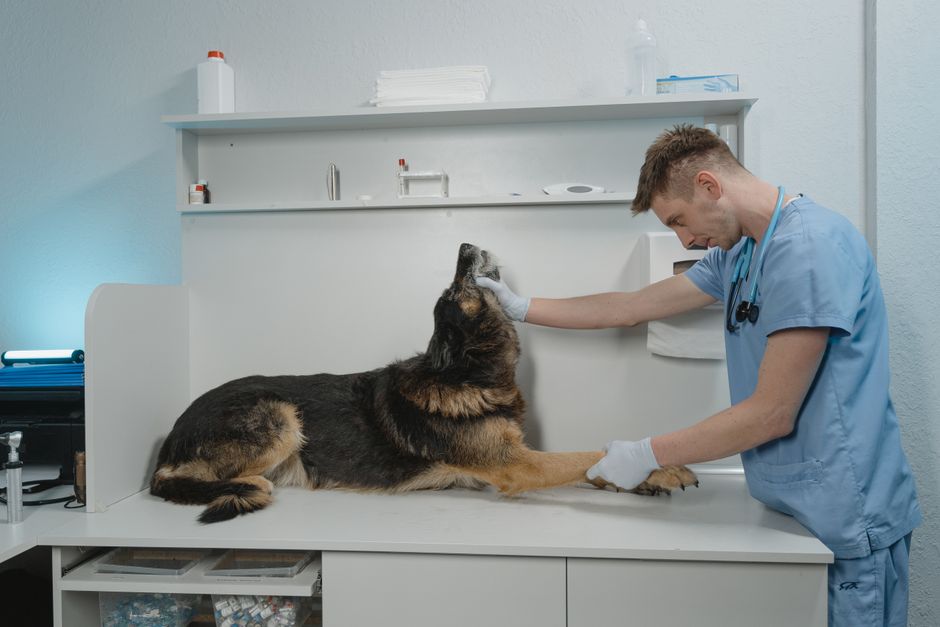
When you schedule a dental appointment at Switzerland Animal Hospital, our veterinary professionals take a comprehensive approach to your pet’s oral health. The process typically begins with a thorough oral examination during a wellness visit. If dental disease is suspected, we may recommend dental radiographs (x-rays) to assess the health of teeth below the gumline, as many problems are hidden from view. For pets with significant tartar buildup or active disease, a professional dental cleaning is performed under anesthesia, allowing our veterinarians to safely remove plaque and tartar from all tooth surfaces and below the gums. We use advanced tools and techniques to ensure a complete clean and minimize discomfort. In some cases, teeth that are severely damaged or infected may need to be extracted for your pet’s comfort and health. Our team also provides treatment for gum infections and may prescribe medications to control pain or prevent further infection. After the procedure, pets typically recover quickly, enjoying better breath, more comfortable eating, and overall improved wellness. To learn more about our approach to dental care, visit our page on professional dental care services for dogs and cats.
Steps You Can Take at Home to Prevent Dental Problems
While professional cleanings are essential, home care is the foundation of good dental health for your pet. Brushing your dog or cat’s teeth daily, or as often as possible, is the most effective way to remove plaque before it hardens into tartar. Specially formulated pet toothpastes and brushes are available to make the process more comfortable for both you and your animal companion. If your pet is not a fan of brushing, there are dental chews, treats, and diets designed to support oral health by mechanically cleaning teeth and reducing bacteria. Regularly inspecting your pet’s mouth at home helps you spot early warning signs and address problems before they become severe. Additionally, scheduling annual dental exams as part of your pet’s wellness care ensures that any developing issues are caught early and managed promptly. Our veterinarians are always happy to demonstrate effective brushing techniques or recommend products that are proven to work. Consistency is key, so even a few minutes of attention each day can make a significant difference in your pet’s comfort and longevity.
When to Schedule a Dental Appointment: Knowing When to Seek Help
It’s important to remember that dental disease can progress quietly, so even pets who seem healthy may benefit from a dental evaluation. You should schedule an appointment with our veterinary team if you notice symptoms like bad breath, red or bleeding gums, visible tartar, difficulty eating, or any changes in your pet’s behavior related to their mouth. Pets with chronic illnesses, older age, or a history of dental problems should be monitored even more closely. In some cases, dental infection can cause systemic illness, so prompt evaluation is critical if your pet becomes lethargic, loses their appetite, or seems unwell. Preventive dental care is best performed before problems become advanced, so we encourage annual exams and regular cleanings as part of your pet’s healthcare routine. If you’re searching for a "veterinarian near me" who prioritizes comprehensive dental care and gentle, compassionate service, Switzerland Animal Hospital is here to help.
Support Your Pet’s Health with Professional Dental Care
Dental health is not just about fresh breath or a bright smile; it is an essential part of your dog or cat’s overall well-being. Ignoring dental problems can lead to pain, lost teeth, and even serious health complications, but with attentive home care and regular professional cleanings, most issues can be prevented or managed effectively. As you celebrate Pet Dental Health Month this February, take a moment to check your pet’s mouth, look out for warning signs, and consider whether it’s time to schedule a dental checkup. Our veterinarians at Switzerland Animal Hospital are dedicated to providing advanced dental care in Saint Johns, FL and surrounding communities, ensuring that your animal companions stay healthy, happy, and pain-free for years to come.
If you have questions about dental care or want to set up an appointment, please call us at (904) 830-5156. You can also learn more about our professional dental care services for dogs and cats to see how we can support your pet’s oral health. We invite you to make dental wellness a priority this February and every month—your pet will thank you with a brighter, healthier smile.
This blog is for informational purposes only and does not replace the need for professional veterinary care. If your pet is experiencing symptoms of dental disease, consult your veterinarian promptly for an evaluation and personalized treatment plan.