
OFA Dogs: Why Hip and Elbow Screening Matters
OFA Dogs: Why Hip and Elbow Screening Matters
If you’re a dog owner in St. Johns or the surrounding communities, you may have heard about OFA certification and wondered if it’s something your pet needs. At Switzerland Animal Hospital, we understand how much you care about your dog’s long-term comfort and wellbeing. OFA dogs—those evaluated through the Orthopedic Foundation for Animals—undergo special hip and elbow screenings that help detect inherited joint issues before they become a problem. Whether you’re planning to breed your dog or you simply want to safeguard their future mobility, learning about OFA evaluations can make a significant difference in your pet’s life. In this article, we’ll explain what OFA screening is, why it matters, and how our veterinary team in St. Johns can help guide you through the process. By the end, you’ll know exactly how OFA dogs benefit from early detection and what steps you can take to support your dog’s joint health.
Recognizing Joint Issues in Dogs: When Should You Consider OFA Screening?
Hip and elbow dysplasia are among the most common inherited orthopedic issues affecting dogs, especially in larger breeds. These conditions often develop gradually, making them difficult to spot without veterinary expertise. Early signs that your dog could be at risk include stiffness after resting, difficulty rising, reluctance to jump or climb stairs, and reduced willingness to exercise. Some dogs may show subtle changes in gait, such as limping or favoring one leg, while others might display a loss of muscle mass around the hips. As symptoms progress, discomfort can increase, potentially leading to chronic pain or arthritis.
It’s important to recognize that even dogs who appear perfectly healthy can carry the genes for hip or elbow dysplasia. Routine wellness visits and open communication with your veterinarian make a difference in catching these issues early. If your dog is a breed prone to joint problems, or if you plan to breed, OFA screening is highly recommended. During a wellness examination, our veterinarians can help you determine if your dog would benefit from OFA certification and discuss any warning signs you’ve noticed at home.
Understanding OFA Dogs: What Is OFA Certification and How Does It Work?
The Orthopedic Foundation for Animals (OFA) is a respected organization that evaluates dogs for inherited orthopedic disorders, primarily hip and elbow dysplasia. OFA dogs undergo specialized radiographs—X-rays—of their hips and elbows, which are then reviewed by board-certified veterinary radiologists. The goal of OFA certification is to identify dogs who are free from these inherited joint problems, providing peace of mind for owners and essential information for responsible breeding.
The process typically begins when your veterinarian schedules and performs the required imaging. At Switzerland Animal Hospital, we use advanced digital radiology to capture precise images of your dog’s joints. After the radiographs are taken, they’re submitted to OFA’s panel of experts for evaluation. The OFA assigns a grade based on the appearance of the joints; dogs who pass can be listed in the OFA database as certified free from dysplasia. This can be especially important for breeders who want to demonstrate their commitment to reducing genetic disease, but it’s equally valuable for any owner who wants to understand their dog’s orthopedic health.
Why Hip and Elbow Screening Matters for Your Dog’s Health
OFA screening isn’t just about breeding—it’s a proactive step that can dramatically improve your dog’s quality of life. Hip and elbow dysplasia are progressive conditions that can lead to pain, lameness, and even early arthritis. By screening OFA dogs before symptoms develop, you gain a clearer picture of your dog’s risk profile. This allows your veterinarian to recommend preventive strategies, from weight management and tailored exercise plans to joint-supportive diets and supplements.
For breeders, OFA certification is a critical responsibility. By only breeding dogs with healthy joints, you help reduce the prevalence of these painful conditions in future generations. For owners of companion dogs, the benefits are just as real—early detection allows for timely intervention, which can delay or even prevent the onset of arthritis. In St. Johns and the surrounding communities, where active outdoor lifestyles are common, protecting your dog’s mobility is an investment in their happiness and longevity.
How OFA Screening Is Performed at Switzerland Animal Hospital
When you schedule OFA testing for your dog at Switzerland Animal Hospital, our veterinary team will guide you through every step of the process. First, we’ll review your dog’s medical history and discuss any concerns you may have about their mobility. Dogs must be at least two years old for official OFA certification, though preliminary evaluations can be performed earlier to provide early insights.
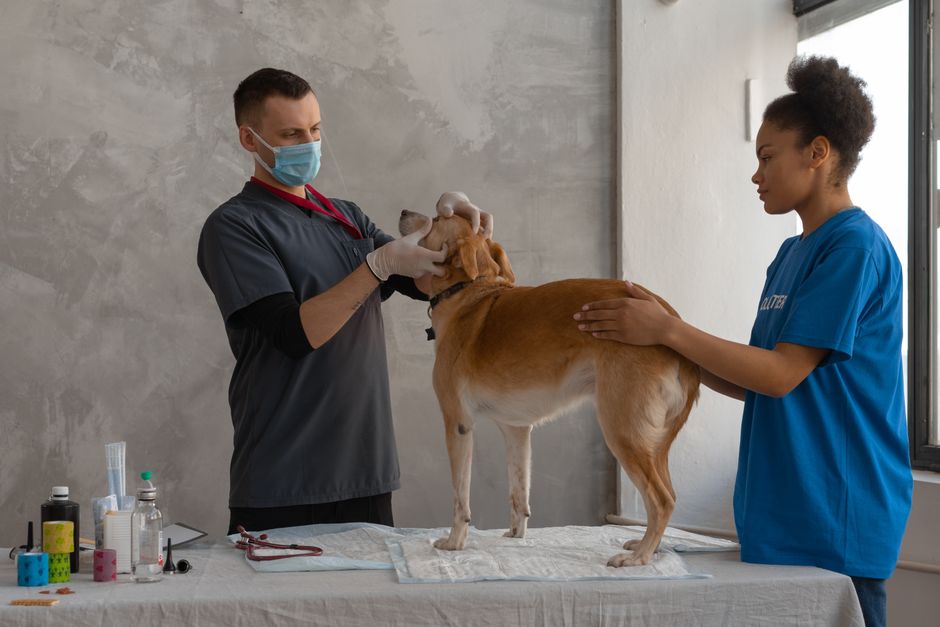
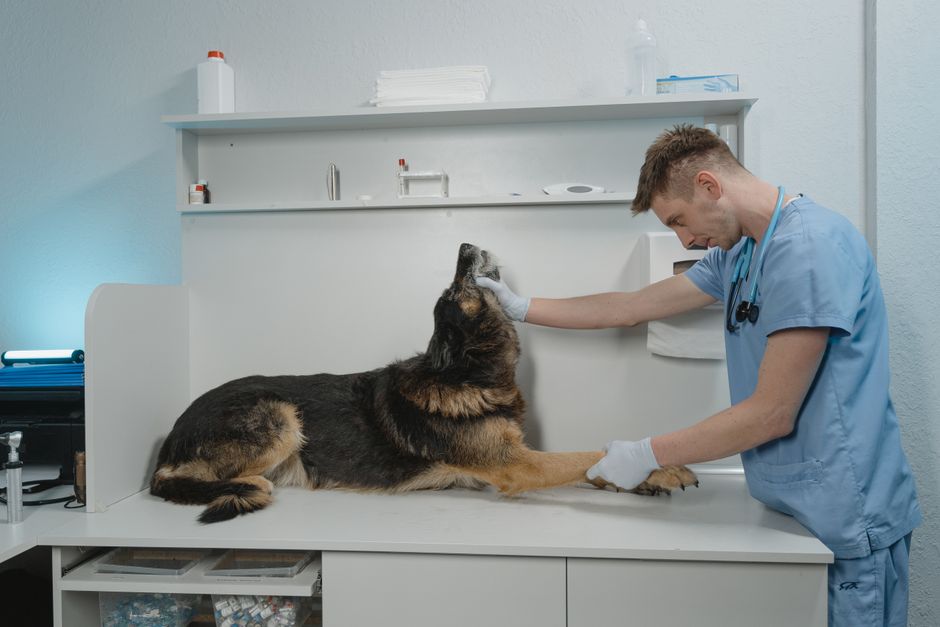
The screening itself involves taking precise radiographs of your dog’s hips and elbows under light sedation. This ensures that your dog remains comfortable and still, allowing for the best possible images. Our digital radiography equipment produces high-resolution images that meet OFA’s strict submission standards. Once the images are obtained, we handle the paperwork and submission on your behalf, making the process as stress-free as possible.
Results from the OFA typically return within a few weeks. If your dog receives a passing grade, you’ll receive documentation confirming their status as an OFA dog. If the results indicate a problem, our veterinarians will discuss next steps, which may include further diagnostic work or early intervention to support your dog’s joint health.
Managing and Treating Hip and Elbow Issues in Dogs
If your dog is diagnosed with hip or elbow dysplasia, there are many ways our veterinary team can help manage the condition. Treatment options range from lifestyle adjustments to advanced medical therapies. Weight management is often the first line of defense, since excess pounds can worsen joint stress. Controlled exercise routines, such as swimming or leash walks, help maintain muscle tone without overloading the joints.
In some cases, your dog may benefit from joint supplements or prescription medications to control pain and inflammation. For more advanced cases, surgical options may be discussed. Our veterinarians have experience with a range of surgical techniques, including minimally invasive procedures, to help restore comfort and mobility. We can also tap into our pet diagnostic laboratory to run additional tests if underlying issues are suspected.
The key to managing joint dysplasia is a personalized treatment plan tailored to your dog’s age, breed, and activity level. Regular rechecks and open communication with your veterinary team ensure that your dog’s care evolves as their needs change.
Preventing Joint Issues and Supporting Your Dog’s Mobility at Home
While genetics play a significant role in hip and elbow health, there are steps every dog owner can take to protect their pet’s joints. Maintaining a healthy weight is one of the most effective strategies; even a few extra pounds can place stress on developing joints. Feeding a high-quality, age-appropriate diet rich in omega-3 fatty acids and other joint-supporting nutrients provides a strong foundation for lifelong health.
Regular, moderate exercise helps keep muscles strong and joints flexible. Activities like walking, gentle play, and swimming are excellent choices. It’s also wise to avoid high-impact activities, especially for young dogs whose joints are still developing. Providing comfortable bedding, using ramps for car access, and minimizing slippery surfaces around the home can further reduce the risk of injury.
If you’re considering adding a puppy to your family, choosing a breeder who OFA-tests their dogs is a major step toward reducing inherited joint issues. Responsible breeding practices protect not only your future pet but the entire canine community as well.
When to Schedule OFA Screening and How to Get Started
If you own a breed with a known risk for hip or elbow dysplasia, or if you plan to breed your dog, scheduling an OFA evaluation is a wise decision. Even if your dog is not intended for breeding, early screening can offer peace of mind and help you catch joint issues before they become serious. The best time to discuss OFA dogs and screening is during a routine wellness visit. Our veterinarians in St. Johns can help you decide the ideal timing for your dog’s evaluation and answer any questions you may have about the process.
If you notice signs such as limping, reluctance to exercise, or difficulty rising, don’t wait—contact our team for an assessment. Early intervention is always preferable, and our full-service veterinary clinic is equipped to provide both preventive screening and advanced care when needed.
Supporting Your Dog’s Joint Health with Switzerland Animal Hospital
OFA screening empowers you to take charge of your dog’s long-term comfort, whether you’re a dedicated breeder or a loving pet owner in the St. Johns area. At Switzerland Animal Hospital, we combine advanced diagnostic tools with compassionate, individualized care to help every dog stay active and pain-free. From digital radiology to comprehensive wellness examinations, our veterinary professionals are committed to supporting your dog’s health at every stage of life.
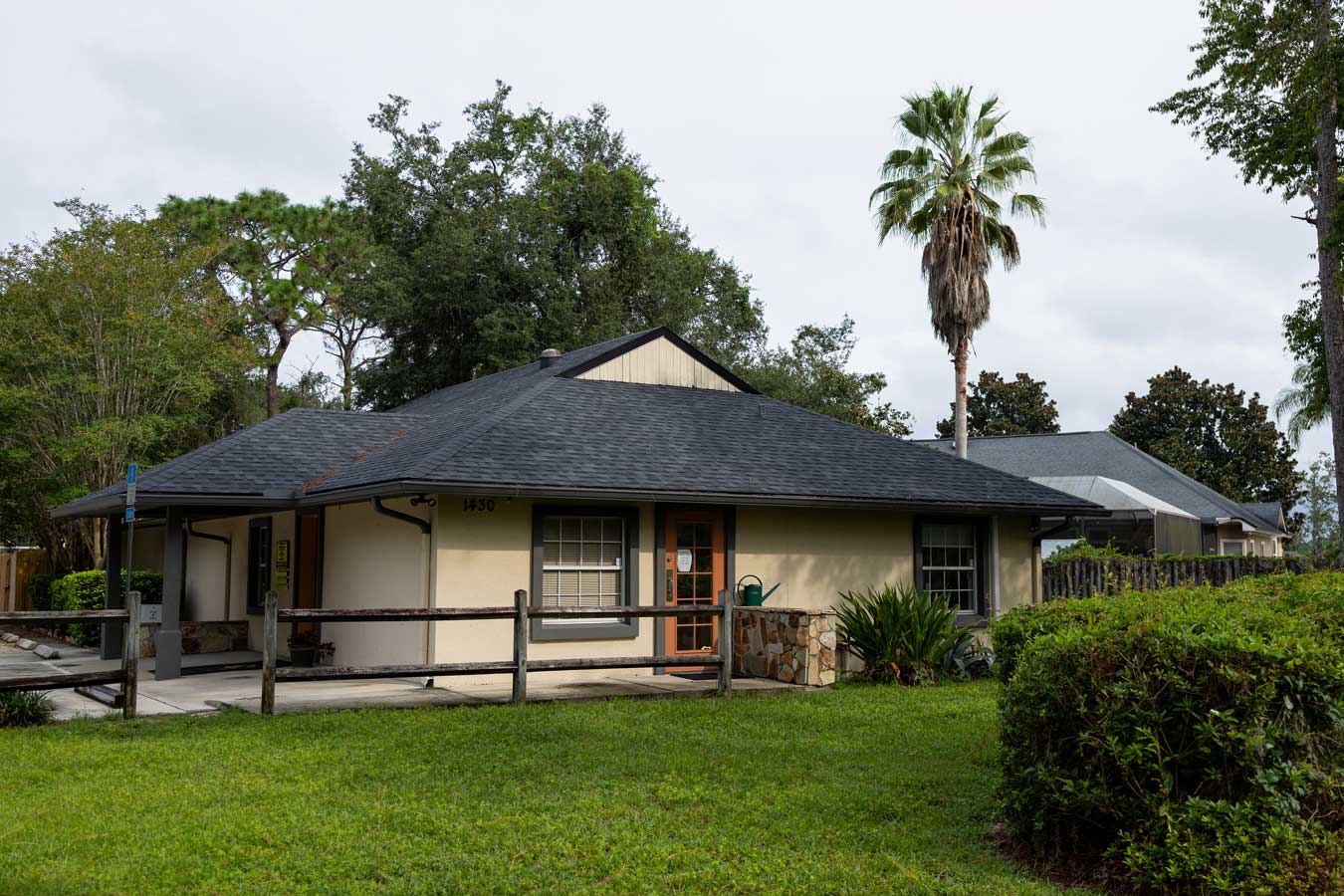
If you’ve been searching for a "vet near me" who understands the importance of OFA dogs and joint screening, look no further than our experienced team. To schedule an appointment or learn more about OFA certification in St. Johns, call Switzerland Animal Hospital at (904) 287-5246 or visit us at 1430 State Rd 13 N, Saint Johns, FL 32259. Your dog’s comfort and mobility are our top priorities, and we’re here to help you every step of the way.