
Protecting Pets From Fleas and Ticks in Spring


Protecting Pets From Fleas and Ticks in Spring
Spring in St. Johns, Florida, is a beautiful time to get outdoors with your pets, but the warmer weather also brings a surge in fleas and ticks. These tiny pests are more than just a nuisance; they can pose serious health risks to both dogs and cats, ranging from skin irritation to the transmission of dangerous diseases. At Switzerland Animal Hospital, we understand how important it is to keep your beloved companions safe, comfortable, and healthy all year long. In this blog, we will explore the warning signs of flea and tick infestations, explain why these pests are especially prevalent in spring, discuss effective prevention and treatment strategies, and highlight when it’s time to schedule an appointment with our veterinary team. Our goal is to help pet owners in St. Johns and surrounding communities enjoy the season without worry, knowing they are taking the right steps to protect their furry family members.
Recognizing Flea and Tick Problems in Your Pet
Spotting fleas or ticks early can make a significant difference in your pet’s comfort and health. Fleas are small, fast-moving insects that can be difficult to see, but the signs of their presence are often quite noticeable. Common symptoms include excessive scratching, biting, or licking at the skin, especially around the tail, neck, and behind the ears. You may also notice small black specks, often called “flea dirt,” in your pet’s fur or on bedding. This is actually flea feces, which turns red when moistened with water.
Ticks, on the other hand, are larger and tend to attach themselves to the skin, feeding on your pet’s blood. Signs your pet may have a tick include the sudden appearance of a small bump or lump, which may be mistaken for a skin tag or scab. Pet owners sometimes find ticks on the ears, between the toes, or under collars. Additional warning signs to watch for are unexplained lethargy, loss of appetite, or even signs of illness such as fever or joint pain, which can indicate a tick-borne disease.
Cats are often more subtle in their reactions, so look for increased grooming, hair loss, or small scabs scattered along the back and neck. Flea allergy dermatitis can also present as irritated, inflamed skin or bald patches. If you see any of these symptoms, especially during springtime, it is important to act quickly to prevent the problem from escalating.
Why Fleas and Ticks Thrive in Spring
Understanding the seasonal cycle of fleas and ticks can help pet owners anticipate and prevent infestations. In St. Johns and similar climates, spring’s warmer temperatures and increased humidity create ideal conditions for these pests to reproduce. Fleas thrive in moist, warm environments, and their eggs can survive in carpets, grass, and shaded outdoor areas. As temperatures rise, dormant flea eggs and pupae from the winter months begin to hatch, resulting in a sudden increase in flea populations.
Ticks also become more active in spring, emerging from leaf litter and tall grasses where they have been lying in wait. They often hitch a ride on wildlife such as deer, raccoons, or possums that pass through your yard or neighborhood, bringing them into closer contact with your pets. Both fleas and ticks are drawn to areas where pets spend time outdoors, including parks, walking trails, and even your backyard.
It’s important to note that while spring is peak season, our region’s mild winters mean fleas and ticks can pose a threat year-round. This makes continuous prevention and vigilance essential for every pet owner in St. Johns and the surrounding communities.
Professional Treatment and Prevention Options
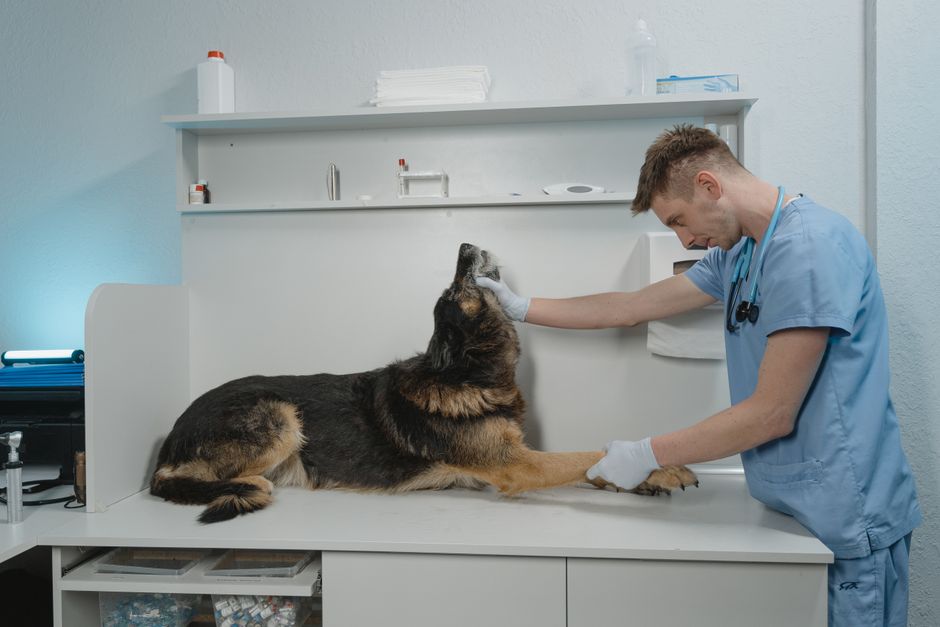
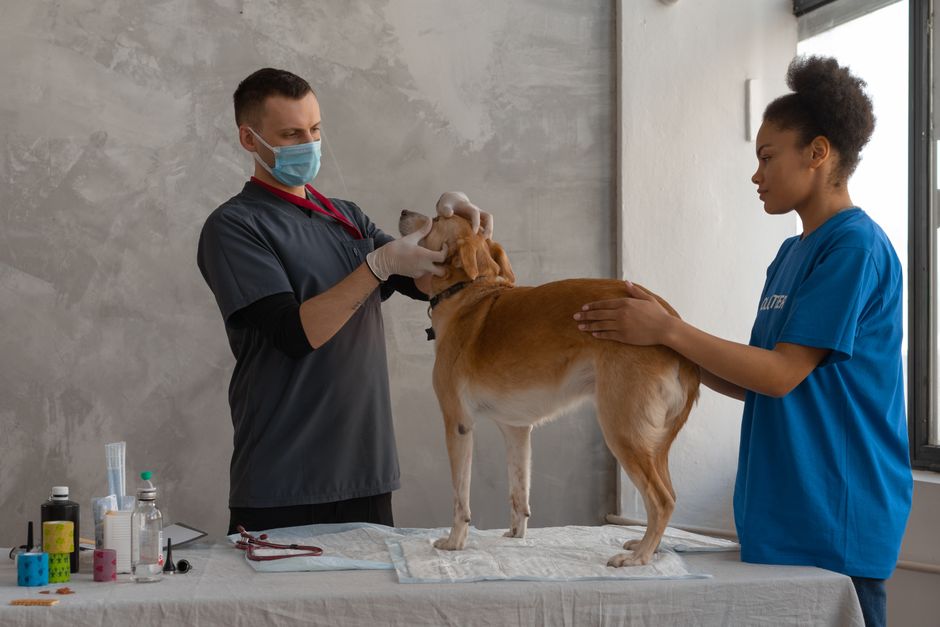
When dealing with fleas and ticks, prompt and effective intervention is crucial. Treatment approaches involve both immediate relief for your pet and long-term prevention strategies. At Switzerland Animal Hospital, our veterinarians begin by thoroughly examining your pet, often recommending a wellness examination to assess their overall health and identify any related complications from flea or tick exposure.
For existing infestations, our veterinary team may prescribe fast-acting oral or topical medications that kill adult fleas and ticks. There are a variety of safe, veterinary-approved products available, including monthly chewable tablets, spot-on treatments, and medicated shampoos. The right choice depends on your pet’s species, age, health status, and lifestyle. We always tailor recommendations to each pet’s unique needs, ensuring the product is both safe and effective.
In addition to treating your pet, it is important to address the environment as well. Our team can advise you on cleaning routines to eliminate eggs and larvae from your home, such as frequent vacuuming and washing of bedding. For severe infestations, treating the yard may also be necessary.
Prevention is the cornerstone of effective flea and tick control. Year-round use of preventive medications—prescribed and monitored by your veterinarian—offers the most reliable protection. Our veterinary professionals will review your pet’s risk factors and help you choose the best preventive plan. This may be particularly important for pets who spend time in wooded areas, visit dog parks, or live in multi-pet households.
Home Care Tips for Flea and Tick Prevention
While professional care is essential, there are many proactive steps pet owners can take at home to reduce the risk of infestations. Steps include maintaining a regular grooming routine for your pet, as brushing helps spot fleas, ticks, and irritated skin early. Bathing your dog or cat with a veterinarian-approved shampoo can help wash away dirt and potential pests. Other preventive measures involve keeping your yard tidy by mowing the lawn regularly, removing leaf litter, and trimming shrubs to reduce tick habitats.
It’s helpful to wash pet bedding and vacuum carpets and upholstery frequently, which can disrupt the flea life cycle and prevent eggs from hatching. Inspect your pet after spending time outdoors, especially if you have been hiking or walking in areas with tall grass. Pay special attention to hidden spots such as under collars, between the toes, and behind the ears.
Additionally, never use products intended for dogs on cats, as some ingredients can be toxic. Our veterinary team is always available to answer questions about safe and effective flea and tick control options for your unique household.
When to Seek Veterinary Care
Knowing when to contact your veterinarian can make a significant difference in your pet’s health and comfort. If you notice persistent scratching, hair loss, sores, or visible fleas or ticks on your pet, it is a good idea to schedule an appointment with our veterinary team at Switzerland Animal Hospital. Other reasons to seek veterinary care include signs of illness such as lethargy, loss of appetite, swollen joints, or unexplained fevers, which can indicate a more serious disease transmitted by fleas or ticks.
Our veterinarians can provide a thorough evaluation and recommend diagnostic tests if needed. In situations where your pet has a severe reaction, such as difficulty breathing, facial swelling, or sudden collapse, immediate veterinary care is necessary, as these symptoms may indicate a life-threatening allergic reaction or infection.
Preventive care is just as important as addressing active problems. We encourage pet owners to discuss their flea and tick prevention plan during their pet’s regular wellness examination, ensuring that your pet is protected throughout the year.
Take Action This Spring: Protect Your Pet With Switzerland Animal Hospital
Springtime should be a season of adventure and joy for both you and your pet. By taking proactive measures, you can reduce the risk of flea and tick problems and ensure your furry companion enjoys the best possible health. Remember, early detection and prevention are your best defenses against these common parasites.
If you are searching for a trusted "vet near me" to help safeguard your pet this spring, our experienced veterinarians at Switzerland Animal Hospital are here to support you every step of the way. We invite you to schedule a preventive care visit or ask about year-round flea and tick prevention tailored to your pet’s unique needs. Our team is committed to providing comprehensive, compassionate care to pets in St. Johns and the surrounding communities.
To book your appointment, give us a call at (904) 287-2527 or visit us at 1430 State Rd 13 N, Saint Johns, FL 32259. You can also learn more about our wellness examination and other preventive services on our website. Let us help you keep your pet happy, healthy, and flea- and tick-free this spring and beyond.
This article is intended for informational purposes only and does not replace professional veterinary advice. If you have concerns about your pet’s health, please consult with our veterinary team or your local veterinarian.