
Protecting St. Johns Pets From Heat-Related Illnesses

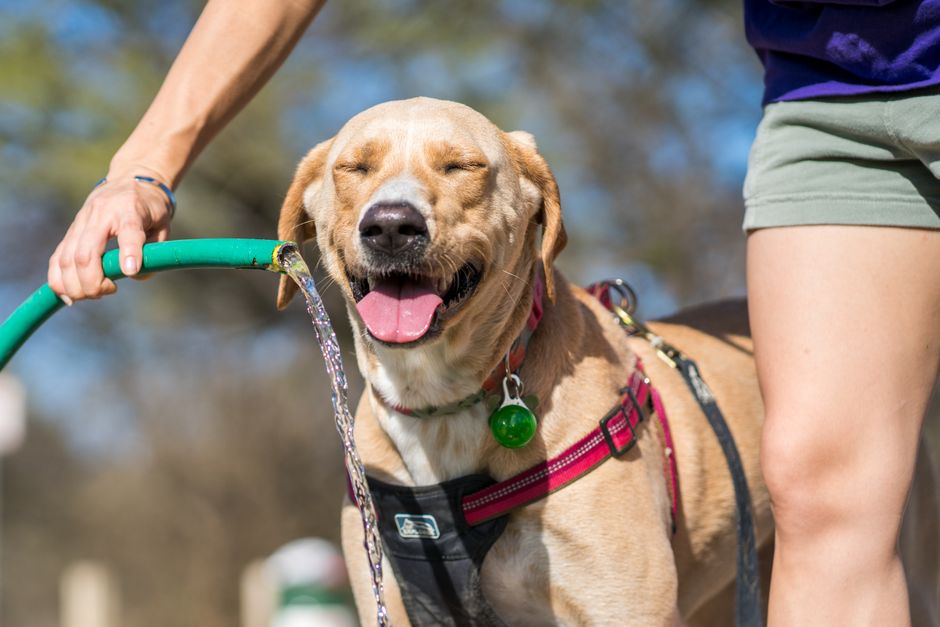
Protecting St. Johns Pets From Heat-Related Illnesses
Florida’s summers are known for their heat and humidity, which can make August especially challenging for pet owners in St. Johns and surrounding communities. While our region’s sunny days are perfect for outdoor fun, high temperatures put dogs and cats at risk for heat-related illnesses such as heat exhaustion and heatstroke. At Switzerland Animal Hospital, we understand how much your pets mean to your family, and we want to help you keep them safe and comfortable during the hottest months of the year. In this blog, we’ll explain how to recognize the warning signs of heatstroke in dogs and cats, what causes heat-related illness, how to respond if your pet overheats, and the best ways to prevent these emergencies. You’ll also learn when to schedule a visit with our veterinary team at 1430 State Rd 13 N, Saint Johns, FL 32259 to make sure your pet stays safe all summer long.
Recognizing the Signs of Heat-Related Illness in Pets
Heatstroke and heat exhaustion can develop quickly in Florida’s climate, often before pet owners realize their pet is struggling. Key symptoms of heat-related illness in dogs and cats include vigorous panting, drooling, and restlessness. You might notice that your pet seeks cool, shady spots or seems lethargic and less responsive to your voice or touch. In more severe cases, signs such as vomiting, diarrhea, excessive salivation, red or pale gums, and even collapse or seizures may occur. Cats are often more subtle in their symptoms, so look for open-mouth breathing, rapid heartbeat, and weakness as additional indicators. If your pet is experiencing any of these signs, it’s a signal that their body is overheating and immediate action is needed.
Why Do Dogs and Cats Overheat in Florida?
Understanding why pets are vulnerable to heat-related illnesses helps you anticipate and prevent potential emergencies. Unlike humans, dogs and cats do not sweat over most of their bodies; instead, they primarily cool off by panting. When the air is hot and humid, panting becomes much less effective. Certain breeds, especially those with short snouts like Bulldogs, Pugs, and Persians, are at greater risk because their airways are less efficient at releasing heat. Young puppies, senior pets, overweight animals, and those with underlying medical conditions are also more susceptible. Environmental factors such as direct sun exposure, lack of shade or water, hot pavement, and even car interiors can drastically increase your pet’s risk. In St. Johns, the combination of high temperatures and humidity makes it vital for pet owners to be proactive about heat safety every day.
What to Do If Your Pet Overheats
If you suspect your dog or cat is suffering from heat exhaustion or heatstroke, acting quickly can save their life. Move your pet to a cooler, shaded area or an air-conditioned room immediately. Offer small amounts of cool (not cold) water for drinking, and use a damp cloth to gently wet their paws, ears, and belly, helping to lower body temperature gradually. Avoid ice-cold water or ice packs, as rapid cooling can be dangerous. Monitor your pet closely for changes in breathing, behavior, or consciousness.
If your pet is not improving within a few minutes, or if symptoms are severe—such as collapse, unresponsiveness, vomiting, or seizures—contact your veterinary team right away. Switzerland Animal Hospital’s team of veterinarians is equipped to provide advanced care and supportive treatments for heatstroke, including intravenous fluids, oxygen therapy, and monitoring for complications. Timely intervention can prevent organ damage and greatly improve your pet’s chances of recovery. For more details about what to expect during a veterinary visit, our wellness examination page offers helpful information.
Preventing Heat-Related Emergencies at Home
The best way to protect your pet from heatstroke is through prevention. Limit outdoor activities to early mornings or late evenings when temperatures are cooler, and always provide access to fresh water and shade. Never leave your pet in a parked car, even for a few minutes, as temperatures inside can soar to dangerous levels rapidly. Walk dogs on grass rather than pavement to avoid burned paw pads, and take frequent breaks in shaded areas. For pets with thick coats, regular grooming helps them regulate body temperature more efficiently.
Consider your pet’s unique needs; brachycephalic breeds, elderly pets, and those with medical issues may need to stay indoors during peak heat. If you have questions about summer safety or are concerned about your pet’s risk factors, our veterinary professionals can help you create a personalized plan during your pet’s next checkup. Staying proactive and vigilant reduces the risk of heat-related illness and keeps your pet happy and healthy through the summer months.
When to Seek Veterinary Care for Heatstroke
Knowing when to call your veterinarian is crucial if you suspect heat-related illness. If your pet is panting heavily, drooling excessively, or seems weak and unsteady, immediate cooling measures at home can help—but if symptoms worsen or do not improve within minutes, it’s time to seek professional care. Signs that require urgent attention from your veterinary team include collapse, convulsions, vomiting, diarrhea, or signs of confusion and disorientation. Heatstroke can cause damage to internal organs and can be fatal if left untreated. Prompt veterinary care can make all the difference in your pet’s outcome.
Our team at Switzerland Animal Hospital encourages you to reach out to us with any concerns about your pet’s health during the summer. Scheduling a wellness examination can help identify risk factors before emergencies arise, and our veterinary team is always here to offer guidance tailored to your pet’s specific needs.
Keeping Your Pet Safe All Summer: Local Support You Can Trust
Florida’s heat is no joke—but with the right information and support, you can enjoy a safe, happy summer with your dog or cat. Watch for subtle changes in your pet’s behavior, offer plenty of water and shade, and remember that prevention is always easier than emergency care. If you ever worry about your pet’s exposure to heat or want to discuss individualized summer safety strategies, our caring veterinary team is here for you.
To schedule an appointment or ask about heat safety, call Switzerland Animal Hospital at (904) 830-5156, or visit us at 1430 State Rd 13 N, Saint Johns, FL 32259. When searching for a vet near me, remember that our team has been a trusted part of the St. Johns community for decades. For ongoing protection against common diseases that can complicate heat-related illness, explore our vaccination services for your pet. We look forward to keeping your furry family members safe and healthy, no matter how high the temperatures climb.
This blog is intended for informational purposes only and should not replace professional veterinary advice. If you believe your pet is experiencing a medical emergency, contact your veterinarian immediately.