
Spring Pet Allergy Tips for St. Johns, FL Owners


Spring Pet Allergy Tips for St. Johns, FL Owners
Spring is a beautiful time in St. Johns, Florida, as flowers bloom and temperatures rise. However, for many local dogs and cats, spring also brings an unwelcome visitor: seasonal allergies. If your pet has started scratching more than usual, licking their paws, or sneezing, you are not alone. Many pets in our area experience increased allergy symptoms as pollen, mold, and other environmental triggers become more prevalent in March and the months that follow.
At Switzerland Animal Hospital, conveniently located at 1430 State Rd 13 N, Saint Johns, FL 32259, our veterinary team understands how frustrating spring can be for both pets and their owners. This guide will help you recognize allergy symptoms in your dog or cat, learn about common causes, explore home care tips, and know when it is time to schedule an appointment for professional support. We will also discuss how preventive veterinary care and wellness exams can make a big difference for your pet’s comfort and health throughout allergy season. If you are searching for a trusted veterinary partner in St. Johns and surrounding communities, our team is here to support you every step of the way.
How to Recognize Pet Allergy Symptoms in the Spring
Pollen counts tend to peak in St. Johns during March and April, and pets may begin to show signs of allergies even before you notice changes in your own sinuses. Recognizing these symptoms early on helps you act quickly and prevent more serious skin or respiratory problems.
Key symptoms of spring allergies in pets include increased scratching or biting at the skin, frequent licking of paws, and redness or irritation in areas like the belly, armpits, ears, or around the eyes. Additionally, you might notice watery eyes, sneezing, runny nose, or a persistent cough in some pets. Some dogs and cats develop ear infections, which can show up as head shaking, odor, or dark discharge from the ears. Hair loss, scabbing, or thickened skin can happen if allergies are left untreated.
A typical example might be a dog that comes inside after playing in the grass and immediately starts chewing at his paws or rubbing his face on the carpet. For cats, excessive grooming, especially on the belly or legs, can signal that something in their environment is making them uncomfortable.
If you see any of these signs, especially if they appear suddenly in the spring, allergies may be to blame. Keep in mind, however, that other conditions can mimic allergies, so it is important to consult with our veterinary professionals if you are unsure.
What Causes Spring Allergies in St. Johns Pets?
Just like people, dogs and cats can react to a variety of airborne and environmental allergens. In St. Johns, common spring allergy triggers include tree, grass, and weed pollens that become airborne as plants grow. Mold spores can also be problematic, particularly during rainy stretches when moisture allows mold to flourish in lawns, leaf piles, and mulch beds.
Pets can develop allergies to substances they inhale, touch, or even eat. In Florida, the high humidity and long growing season mean outdoor allergens are present for much of the year, but the surge in pollen during spring is often the main culprit. Some pets may also react to dust mites or household cleaning products that are used more frequently during spring cleaning.
In some cases, allergies are genetic, meaning certain breeds or individual pets are more prone to developing them. Repeated exposure to the same allergens year after year can cause a pet’s immune system to become increasingly sensitive, so symptoms often get worse with age if not properly managed.
Veterinary Diagnosis and Treatment Options for Pet Allergies
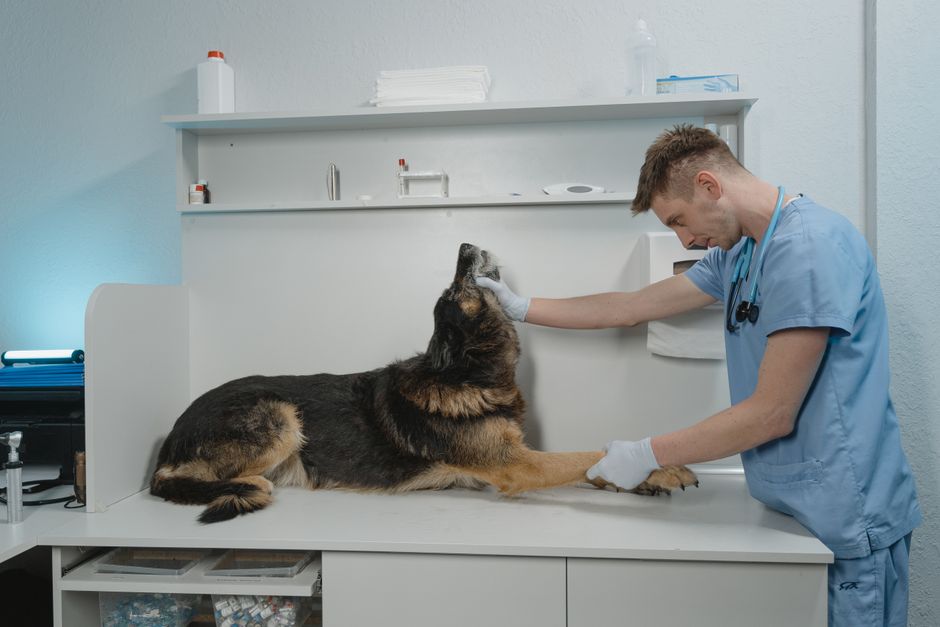
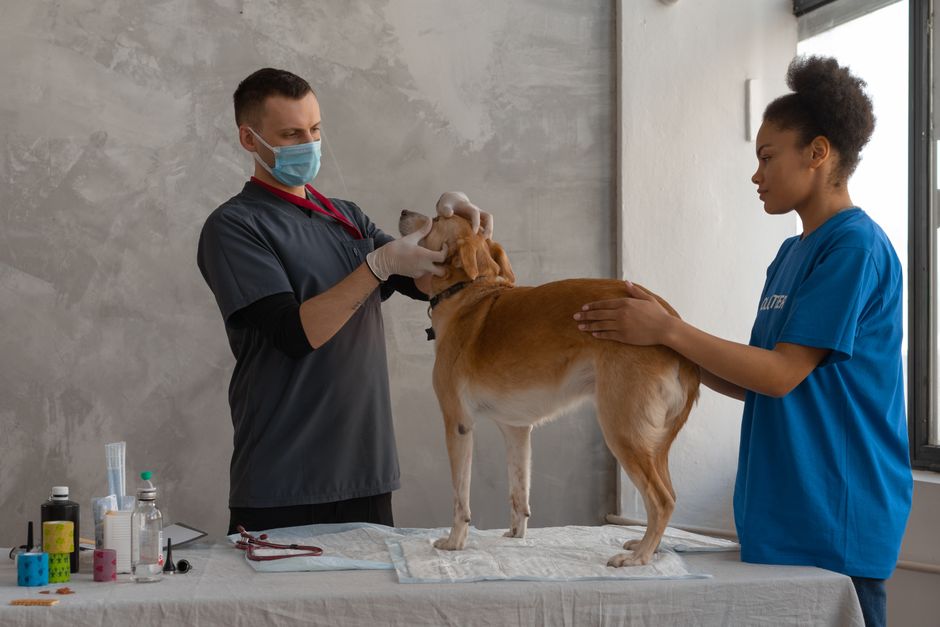
If your pet is struggling with allergies, a visit to Switzerland Animal Hospital is the best way to get answers and relief. Our team of veterinarians will start by discussing your pet’s history and symptoms, followed by a thorough physical examination to check for signs of skin irritation, infection, or other health problems.
Diagnostic options may include skin scrapings or cytology to check for secondary infections, as well as allergy testing in select cases. We may recommend wellness exams and diagnostics to rule out other causes such as parasites or underlying illnesses that can mimic allergies. In some pets, bloodwork or skin tests can help pinpoint specific allergens.
Treatment approaches for pet allergies often involve a combination of strategies. These can include medicated shampoos to soothe inflamed skin, prescription oral or topical medications to reduce itching and inflammation, and specialized diets when food allergies are suspected. For pets with chronic or severe allergies, therapies such as immunotherapy or advanced treatments like K-Laser therapy may be discussed as part of a comprehensive care plan.
Our veterinary team will tailor treatment to your pet’s individual needs, focusing on long-term comfort and minimizing the risk of complications like recurrent ear infections or skin wounds. We always take a gentle, family-focused approach and will explain every step of your pet’s care so you feel confident and informed.
Home Care Tips for Managing Pet Allergies
While professional veterinary care is essential for diagnosing and treating allergies, there are several steps you can take at home to help your pet feel better during the spring months. Regular bathing with vet-approved, hypoallergenic shampoos can help remove pollen and irritants from your pet’s coat and skin. Wiping your pet’s paws and belly with a damp cloth after outdoor walks or playtime can also limit allergen exposure.
Keeping windows closed during peak pollen times, using air purifiers, and washing your pet’s bedding frequently can further reduce airborne allergens in your home. Vacuuming carpets and upholstery regularly helps minimize dust, pollen, and dander. For dogs, limiting outdoor activities on days with high pollen counts or right after mowing the lawn may decrease symptoms.
If your pet is prone to ear infections, regular ear cleaning with a solution recommended by our veterinarians can help keep ears healthy. For cats, maintaining a clean litter box and minimizing dust exposure is beneficial.
It is important to never give human allergy medications to pets unless specifically directed by a veterinarian, as some drugs can be toxic to animals. If you have questions about safe home care products or need advice on managing your pet’s environment, our veterinary professionals are always available to help.
When to Seek Veterinary Care for Pet Allergies
While mild allergy symptoms can sometimes be managed at home, there are times when professional veterinary care is critical. If your pet’s itching, redness, or discomfort persists for more than a few days, or if you notice open sores, hair loss, or signs of infection such as odor, discharge, or swelling, it is time to schedule an appointment. Sudden changes in breathing, severe swelling, or hives may signal a serious allergic reaction and require immediate attention.
Pets with chronic or recurring symptoms benefit greatly from a partnership with your local veterinary team. Early intervention can prevent complications and improve your pet’s quality of life throughout allergy season and beyond. At Switzerland Animal Hospital, we offer comprehensive wellness exams to catch allergy issues early and support your pet’s health year-round.
If you are ever unsure whether your pet’s symptoms warrant a visit, it is always safer to reach out to our veterinary professionals for guidance. We are here to answer your questions and provide the support your family needs.
Keeping Your Pet Comfortable This Spring
Spring allergies are a common challenge for many pets in St. Johns and nearby communities, but with the right knowledge and veterinary support, your dog or cat can enjoy a happier, healthier season. Watch for early signs of allergies, take steps to minimize exposure to common triggers, and do not hesitate to ask for help when symptoms appear. Preventive care, routine wellness exams, and open communication with your veterinary team are the keys to managing allergies and supporting your pet’s wellbeing.
If you are searching for a "vet near me" in the St. Johns area who truly understands seasonal pet allergies, Switzerland Animal Hospital is here to help. Schedule an appointment with our compassionate team of veterinarians by calling (904) 830-5156 or visiting us at 1430 State Rd 13 N, Saint Johns, FL 32259. Let us partner with you this spring and beyond to keep your pets comfortable, healthy, and thriving.
This blog is intended for informational purposes only and does not substitute for professional veterinary advice. If you have concerns about your pet’s health, always consult with a licensed veterinarian.