
Spring Pet Dental Care Tips for St. Johns Owners


Spring Pet Dental Care Tips for St. Johns Owners
As the fresh energy of spring arrives in St. Johns, many pet owners find themselves inspired to tackle new wellness goals for their furry family members. If your dog or cat’s breath has been less than pleasant lately, or if you’ve noticed them hesitating to eat, now is the perfect time to focus on dental health. At Switzerland Animal Hospital, we have been providing compassionate, comprehensive care for local pets since 1985, and we know just how important a healthy mouth is to a pet’s overall wellbeing. In this blog, we will walk you through the essential signs of dental disease, explain why pets are prone to oral health problems, share practical at-home dental care strategies, and help you determine when it’s time to schedule a professional dental cleaning or checkup. Whether you live right here in St. Johns or in one of the friendly surrounding neighborhoods, our dedicated veterinary team is here to keep your pet’s smile bright and their breath fresh all season long. If you are ready to take the next step for your pet’s dental health, you can always book a dental exam or cleaning with us at 1430 State Rd 13 N, Saint Johns, FL 32259 or explore our professional dental care services for pets.
Recognizing Dental Problems: Is Your Pet’s Smile in Trouble?
Many pet owners are surprised to learn just how common dental disease is among cats and dogs. Studies suggest that by the age of three, most pets will show some signs of dental trouble. The symptoms can be subtle at first, which is why spring is an excellent time to take a closer look at your pet’s mouth.
Key symptoms of dental disease include noticeably bad breath, which can range from a mild unpleasant odor to a truly foul smell. You might also notice your pet dropping food, chewing on one side of the mouth, or even refusing their favorite treats. Other signs to watch for are red or swollen gums, yellow or brown tartar buildup on teeth, pawing at the mouth, and visible discomfort when eating or playing with chew toys. In advanced cases, you may see loose or missing teeth, bleeding from the mouth, facial swelling, or a sudden change in behavior such as irritability or withdrawal.
It is important to remember that many pets are experts at hiding pain. Cats, in particular, may simply eat less or become less social when their teeth hurt. For dogs, subtle changes in eating habits or a reluctance to fetch or chew can be early red flags. If you notice any of these signs, even if they seem minor, a dental checkup is in order.
Why Dental Disease Happens: Understanding the Risks
Dental disease in pets typically begins with the accumulation of plaque, a sticky film made up of food particles, bacteria, and saliva. Over time, plaque hardens into tartar, which cements itself to the teeth and creeps under the gum line. This process creates an ideal environment for harmful bacteria to thrive, leading to inflammation of the gums, known as gingivitis.
If left untreated, gingivitis can progress to periodontitis, a severe infection that damages the structures supporting the teeth. This not only results in pain and tooth loss, but can also allow bacteria to enter the bloodstream and affect vital organs such as the heart, liver, and kidneys.
Several factors can make pets more susceptible to dental disease. Smaller dog breeds and cats often have crowded teeth, which allows tartar to build up more quickly. Pets who eat primarily wet food or table scraps may be at higher risk, as soft diets tend to stick to teeth and promote bacterial growth. Genetics play a role as well, and certain breeds are known for having more delicate oral health. Age is another consideration; older pets are more likely to develop chronic dental issues.
The warm, humid climate in St. Johns and throughout Florida can also contribute to oral health problems by encouraging bacterial activity in your pet’s mouth. This makes regular dental care even more important for local pets.
Professional Dental Treatment: What to Expect at Switzerland Animal Hospital
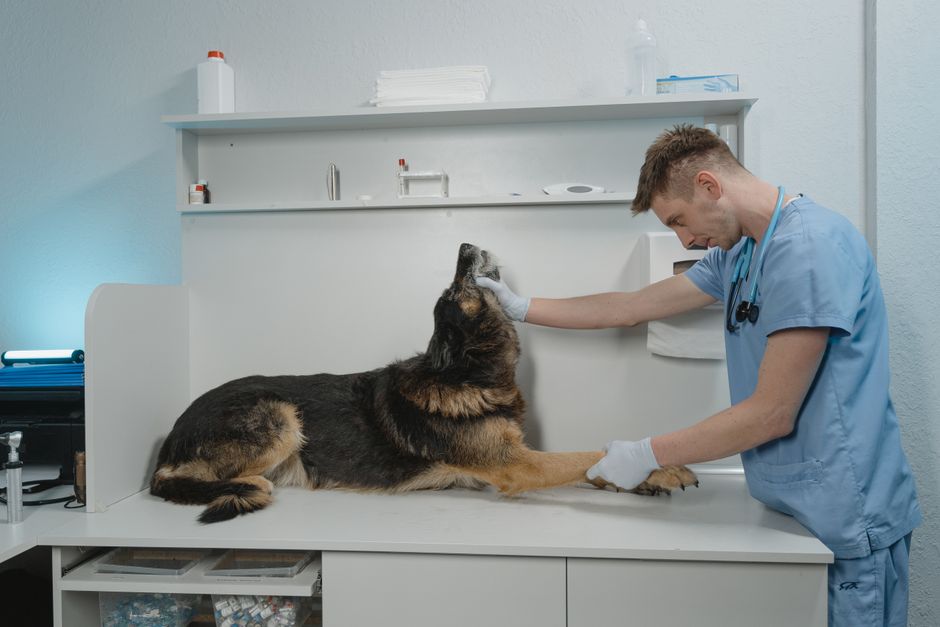
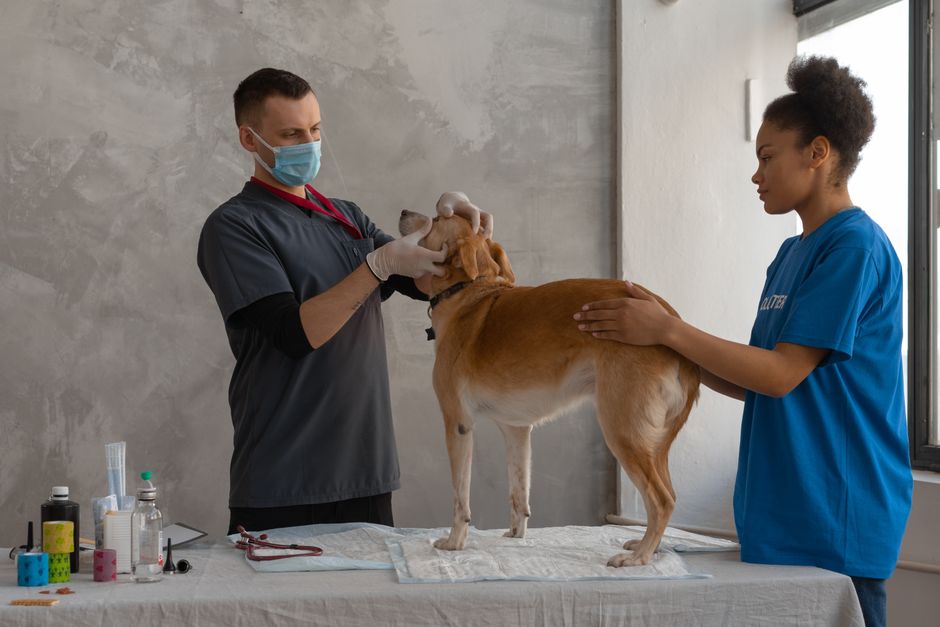
When it comes to treating dental disease, professional veterinary care is crucial. At Switzerland Animal Hospital, our veterinary team utilizes advanced diagnostics such as digital radiography and dental exams to thoroughly assess your pet’s oral health. During a dental cleaning, your pet is placed under safe anesthesia to allow for a complete evaluation of all tooth surfaces, including those below the gum line where hidden disease can lurk.
Treatment approaches involve carefully scaling away tartar using specialized instruments, polishing the teeth to smooth their surfaces, and checking for pockets of infection or damage. If any teeth are loose, broken, or severely infected, they may need to be extracted to prevent ongoing pain and health complications. Our veterinarians will discuss any necessary extractions or additional treatments with you before proceeding.
In addition to cleanings, we may recommend dental x-rays to visualize root health and identify problems that cannot be seen during a physical exam. Our hospital is equipped with modern technology to ensure the safest, most thorough care possible.
Following a professional cleaning, our veterinary professionals will provide you with a personalized at-home dental care plan. We believe that regular dental checkups are a vital part of your pet’s overall wellness, and we encourage you to schedule routine wellness examinations that include a dental assessment. You can find more information about our routine wellness exams and preventive care checkups for pets to see how dental health fits into comprehensive veterinary care.
At-Home Dental Care: Steps You Can Take This Spring
While professional dental cleanings are essential, daily home care is just as important for keeping your pet’s teeth and gums healthy. The good news is that even small changes in your routine can make a significant impact.
The most effective way to reduce plaque and tartar buildup is regular tooth brushing. Pet-safe toothbrushes and toothpaste are designed to be gentle on your pet’s mouth and come in flavors like poultry or beef to make the experience more enjoyable. Steps to get started include gradually introducing your pet to the process by letting them taste the toothpaste, allowing them to sniff the brush, and rewarding them with praise or a treat after short sessions. Aim to brush your pet’s teeth daily, but even two or three times a week can help if daily brushing is not possible.
Dental chews, treats, and toys can also support oral health by rubbing away soft plaque as your pet chews. Look for products approved by the Veterinary Oral Health Council (VOHC), which meet specific standards for effectiveness. Additionally, certain prescription diets are formulated to help reduce tartar buildup and may be recommended by your veterinarian if your pet has ongoing dental concerns.
Fresh water should always be available, as dehydration can worsen dental disease. Avoid giving your pet hard objects like bones, antlers, or ice cubes, which can fracture teeth. Instead, choose toys and treats designed for dental safety.
Finally, make dental health a regular part of your spring wellness routine. Check your pet’s mouth once a week for any changes in color, smell, or comfort, and keep an eye on their eating and playing habits. Early intervention can prevent bigger problems down the road.
When to Seek Veterinary Dental Care: Don’t Wait for a Crisis
Knowing when to seek professional help is essential for maintaining your pet’s oral health. You should schedule a dental exam if you notice persistent bad breath, visible tartar, swollen or bleeding gums, loose teeth, or any changes in your pet’s eating or behavior. Additionally, if your pet becomes lethargic, develops facial swelling, or seems to be in pain, prompt veterinary attention is needed.
Regular dental checkups, ideally every 6 to 12 months, are the best way to catch problems before they become serious. Our veterinary team at Switzerland Animal Hospital encourages you to include dental screenings as part of your pet’s annual wellness plan. If you are concerned about your pet’s dental health, do not hesitate to book a veterinary appointment for your pet or call our hospital directly.
If your pet ever experiences sudden difficulty eating, drooling blood, or severe swelling of the face or mouth, these can be signs of a dental emergency. In such situations, contact our team right away for guidance on what to do next.
Keeping Your Pet’s Smile Bright in St. Johns and Beyond
Spring is a time of renewal, and there is no better season to focus on your pet’s dental health. By staying alert to the signs of dental disease, understanding the underlying causes, and committing to both professional and at-home care, you can help your pet enjoy a healthier, happier life. Our veterinary professionals at Switzerland Animal Hospital are dedicated to supporting you with expert dental care, gentle preventive strategies, and a warm, family-like approach that puts your pet’s comfort first.
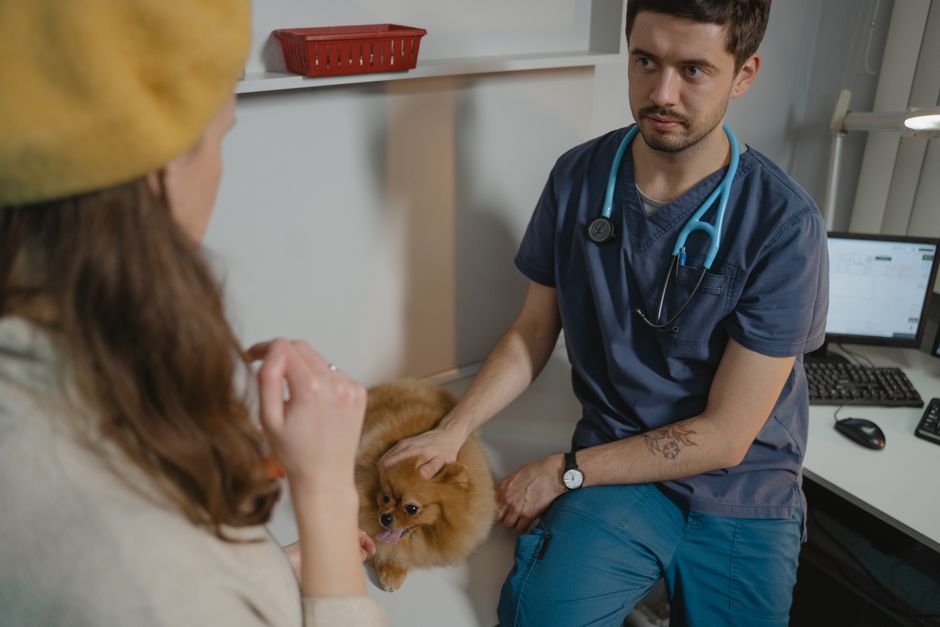
If you have been searching for a “vet near me” who truly cares about your pet’s wellbeing, look no further than Switzerland Animal Hospital in St. Johns. We invite you to schedule an appointment for a dental checkup, cleaning, or complete wellness exam this spring. Our team is ready to answer your questions, develop a personalized dental care plan, and provide the support you need for every stage of your pet’s life.
Contact us at (904) 830-5156 or stop by 1430 State Rd 13 N, Saint Johns, FL 32259. You can also explore our range of professional dental care and dentistry services for pets or book a veterinary appointment for your pet at Switzerland Animal Hospital any time. Let’s make this spring the season your pet’s smile truly shines.
This blog is for informational purposes only and does not replace professional veterinary advice. If you have concerns about your pet’s health, please contact your veterinarian.