
Understanding OFA Dogs: Screening for Healthy Hips and Elbows

Understanding OFA Dogs: Screening for Healthy Hips and Elbows
If you are a dog owner in St. Johns, FL, you may have heard about OFA certification and wondered whether it matters for your canine companion’s health. OFA dogs—those evaluated and certified by the Orthopedic Foundation for Animals—are known for passing important screenings for hip and elbow health, which play a critical role in long-term mobility and quality of life. At Switzerland Animal Hospital, located at 1430 State Rd 13 N, Saint Johns, FL 32259, our team of veterinarians is dedicated to helping pet owners understand the OFA process, why it matters, and how routine orthopedic wellness can safeguard your dog’s future. In this blog, we’ll explore what OFA screenings involve, the reasons behind hip and elbow evaluations, and how our clinic supports responsible pet ownership with advanced diagnostics and ongoing care. Whether you are considering breeding, want to prevent future joint issues, or simply want the best for your dog, you’ll find clear answers and practical next steps here.
Recognizing When OFA Screening Applies to Your Dog
You might wonder if your dog needs an OFA evaluation or what signs could indicate a hip or elbow concern. OFA dogs are often associated with breeding programs, but screening is valuable for any breed prone to orthopedic issues—or for any owner committed to proactive care. Key signs that might prompt evaluation include stiffness after rest, reluctance to jump or climb stairs, limping, or a noticeable change in your dog’s gait. Additionally, some dogs show behavioral signs like hesitation to play or difficulty getting up from lying down. Even if your dog seems healthy, certain breeds are genetically predisposed to joint problems, making early screening important for prevention. If you are noticing any of these symptoms or have a breed at risk, it’s wise to discuss screening options with your veterinarian.
Why Hip and Elbow Health Matters: The Background of OFA Dogs
The Orthopedic Foundation for Animals (OFA) was established to improve canine health by reducing the incidence of inherited orthopedic conditions—primarily hip and elbow dysplasia. These conditions are caused by abnormal development of the joints, which can lead to pain, arthritis, and decreased mobility over time. Factors contributing to hip and elbow dysplasia include genetics, rapid growth during puppyhood, excessive exercise at a young age, obesity, and improper nutrition. OFA certification provides an objective assessment of your dog’s joints through radiographic imaging, offering peace of mind for breeders and pet owners alike. For those considering breeding, OFA dogs represent a commitment to passing on healthy genetics and reducing the risk of painful orthopedic conditions in future generations.
What Is Involved in OFA Screening at Switzerland Animal Hospital?
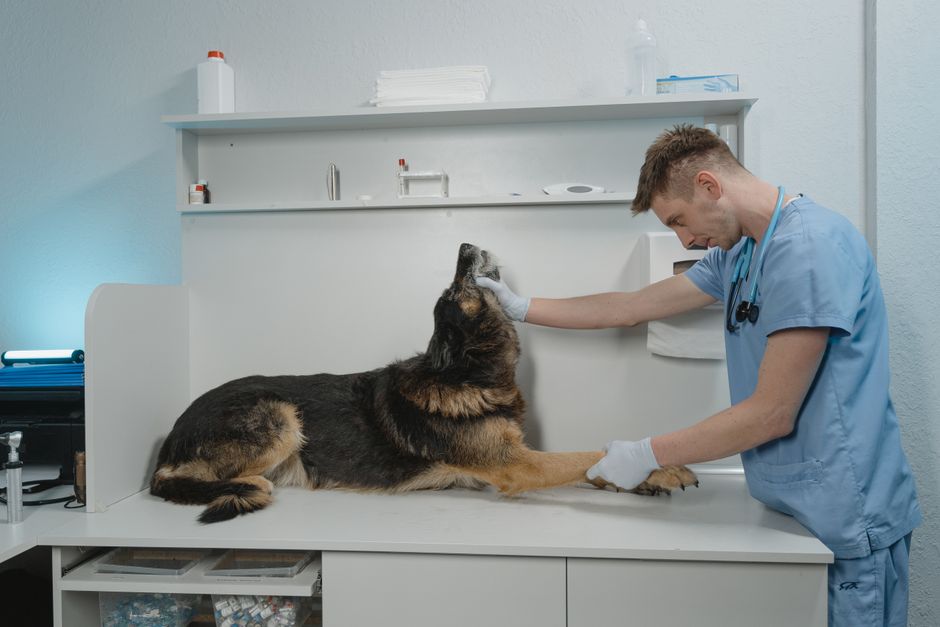
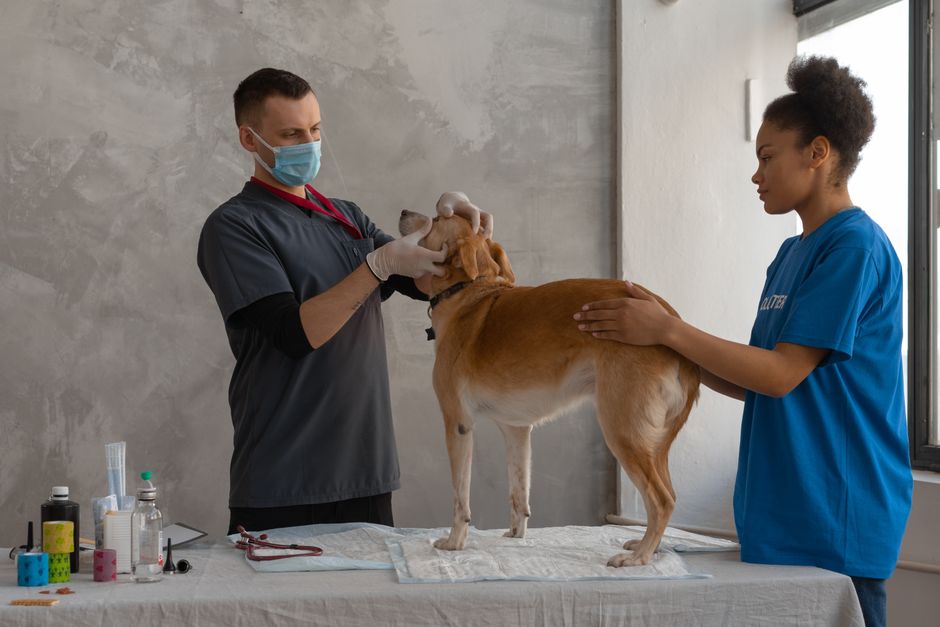
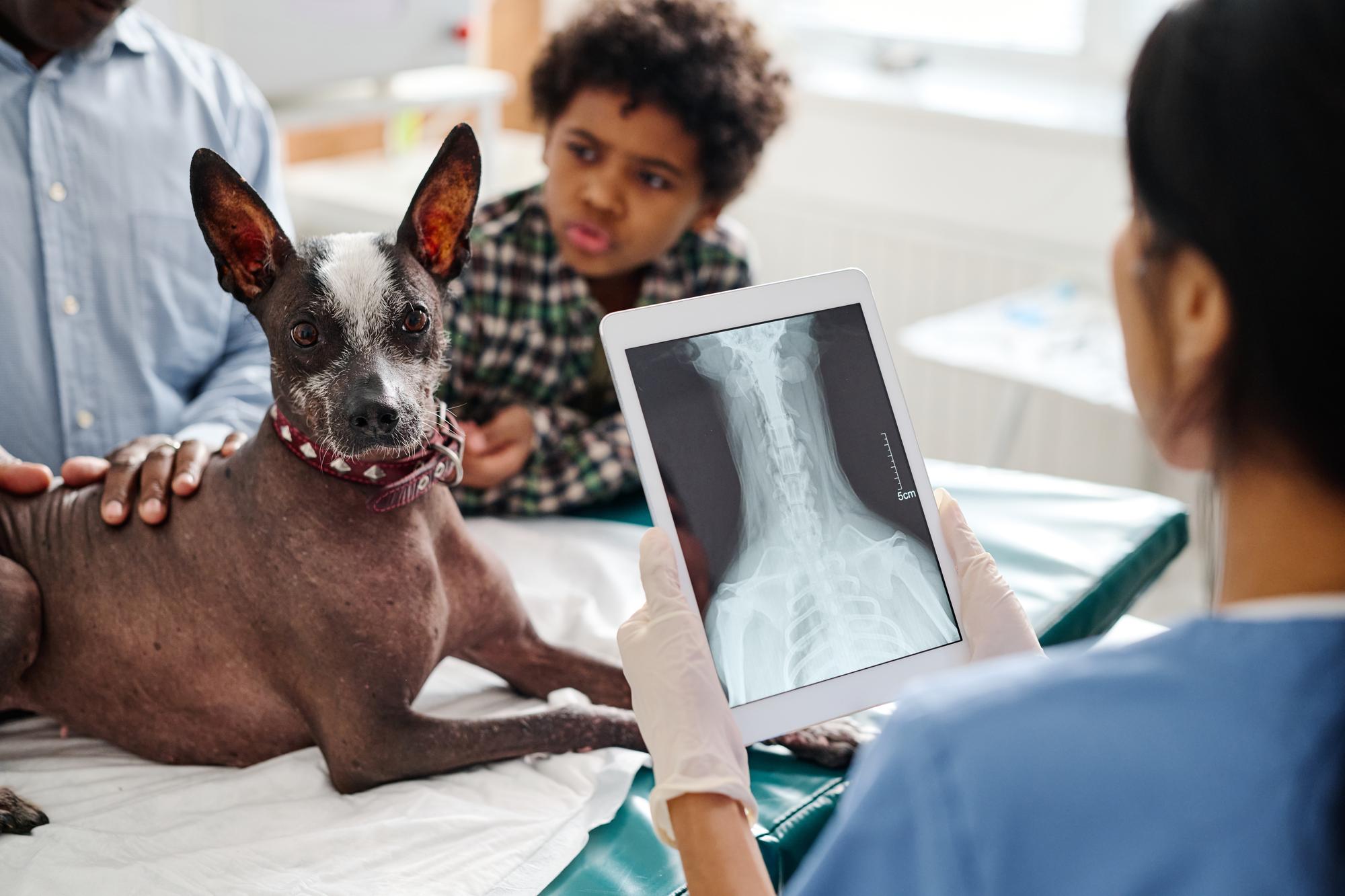
At Switzerland Animal Hospital, OFA screening is a thorough and comfortable process for your dog. The evaluation typically involves a physical exam and specialized radiographic imaging of the hips and elbows. Our digital radiology services allow us to capture high-quality images that meet OFA submission standards. The process includes positioning your dog carefully—sometimes under mild sedation to ensure the most accurate and stress-free imaging. These x-rays are then sent to OFA-certified radiologists who grade the joints according to established criteria. Results are provided to you and, if you choose, entered into the public OFA database. Our veterinary team will review results with you, explain what the findings mean, and discuss any next steps for your dog’s care.
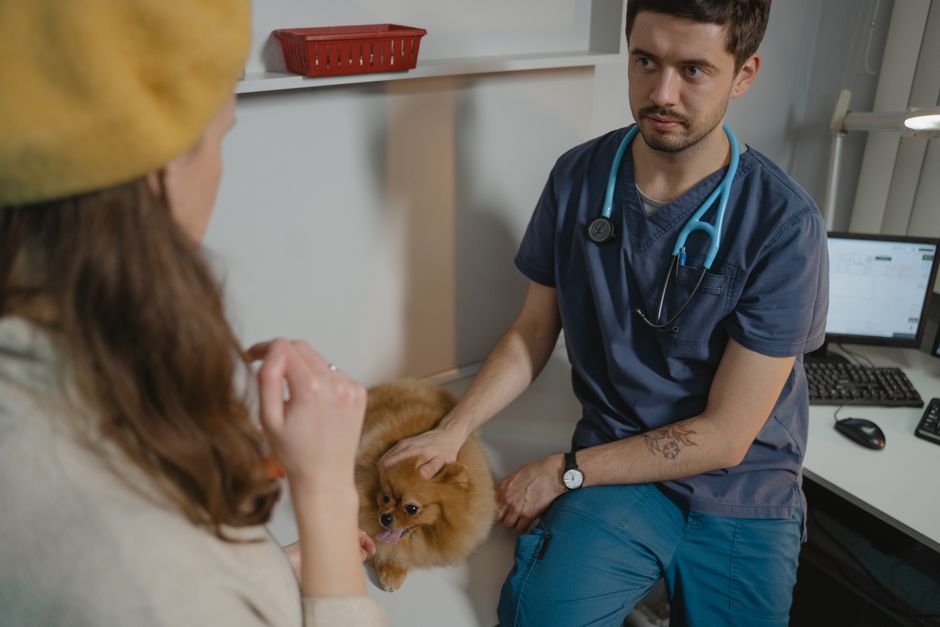
If your dog is scheduled for an OFA screening, you can expect the appointment to start with a wellness check, followed by the imaging procedure and a consultation on the results. Our team is always available to answer your questions about the process or address any concerns about preparing your dog for the appointment.
Managing and Treating Orthopedic Concerns Identified by OFA Screening
When OFA screening reveals mild or moderate joint changes, early intervention can make a significant difference in your dog’s comfort and mobility. Treatment approaches may include weight management, physical therapy, controlled exercise plans, and medications to address inflammation or pain. In some cases, advanced therapies such as laser therapy or surgical intervention may be recommended. At Switzerland Animal Hospital, our experienced veterinarians are equipped to provide both medical management and surgical solutions depending on your dog’s specific needs. For more advanced conditions, our surgical services include orthopedic procedures aimed at improving joint function and quality of life.
Ongoing monitoring is crucial; dogs with orthopedic concerns benefit from regular exams and follow-up imaging to track progression and adjust care plans as needed. Our diagnostic laboratory supports comprehensive health assessments, ensuring that your dog receives personalized, evidence-based care at every stage.
Preventing Hip and Elbow Issues: Home Care and Responsible Breeding
While genetics play a major role in hip and elbow health, there are steps every pet owner can take to minimize risk. Maintaining a healthy weight is one of the most important preventive measures, as excess weight puts added stress on developing joints. Feeding a balanced diet formulated for your dog’s age and breed size supports proper growth, especially during puppyhood. Controlled, age-appropriate exercise helps build muscle without overtaxing growing bones.
If you are considering breeding, choosing OFA dogs with certified healthy hips and elbows is essential. Responsible breeding decisions can help reduce the prevalence of dysplasia in future generations. Before breeding, both the sire and dam should undergo OFA screening and be evaluated for other inheritable conditions as recommended by your veterinarian.
Even if your dog is not part of a breeding program, regular wellness examinations and open communication with your veterinary team can help catch early signs of joint problems. We are always here to support you in making informed decisions for your dog’s orthopedic wellness.
When to Seek Veterinary Care for Hip and Elbow Concerns
Prompt veterinary attention is crucial if you notice your dog struggling with mobility, showing signs of pain, limping, or having difficulty rising or climbing stairs. Additional red flags include persistent stiffness, reluctance to play, or any sudden changes in behavior related to activity. Early intervention leads to better outcomes, especially for conditions like hip or elbow dysplasia. If you have questions about your dog’s risk factors or notice subtle changes, scheduling an evaluation can provide clarity and peace of mind.
For those interested in OFA screening, our veterinarians can guide you through the process, address your questions, and help determine the best timing for evaluation. OFA screening is especially important for young adult dogs, those intended for breeding, or breeds known for orthopedic concerns.
Supporting Your Dog’s Mobility for Life: The Switzerland Animal Hospital Approach
At Switzerland Animal Hospital, we believe every dog deserves a healthy, active life—whether chasing a ball in the backyard or relaxing with family members. Our veterinary team combines advanced diagnostics, preventive wellness, and compassionate care to help you make informed decisions for your dog’s orthopedic health. We are proud to serve St. Johns and surrounding communities, offering full-service care from routine exams to specialized orthopedic support.
If you are searching for a vet near me to discuss OFA dogs, schedule an appointment with our friendly, knowledgeable team. We are always happy to answer your questions, explain the OFA process, and create a personalized care plan for your dog. Contact us at (904) 830-5156 or visit us at 1430 State Rd 13 N, Saint Johns, FL 32259 to get started with a comprehensive evaluation or OFA screening. Your dog’s lifelong mobility and happiness are our top priority.
This blog is for informational purposes only and should not be used as a substitute for professional veterinary advice. If you are concerned about your dog’s health, contact your veterinarian promptly for guidance.