
What St. Johns Pet Owners Should Know About OFA Dogs

What St. Johns Pet Owners Should Know About OFA Dogs
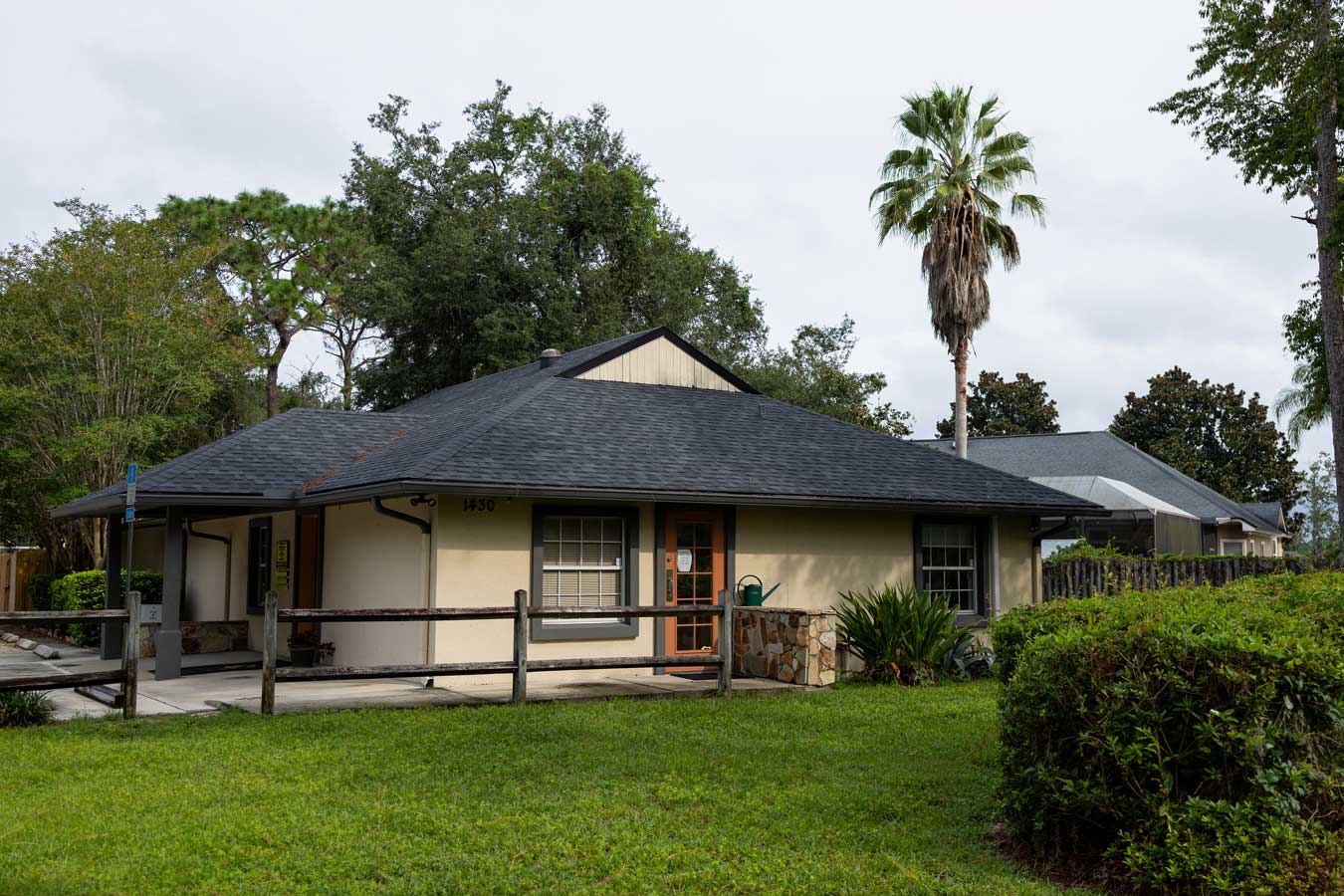
If you’re a dog owner in St. Johns or the surrounding communities, you’ve likely heard about OFA dogs or OFA health screenings—especially if you’re considering breeding your dog or simply want to make sure your canine companion enjoys lifelong joint health. The Orthopedic Foundation for Animals (OFA) plays a vital role in helping veterinarians and pet owners identify and reduce the risk of inherited orthopedic diseases, most notably hip and elbow dysplasia. But what does it really mean for your dog to be “OFA certified,” and why should you care about the OFA process? At Switzerland Animal Hospital, located at 1430 State Rd 13 N, Saint Johns, FL 32259, our team is committed to keeping local dogs healthy and active through preventive screenings, advanced diagnostics, and honest guidance every step of the way. In this blog, we’ll explain what OFA dogs are, why OFA health screenings matter, how the process works, and how our caring veterinary professionals can help you make the best choices for your dog’s health.
Recognizing the Need for OFA Screening in Dogs
Understanding when OFA screening might apply to your dog is the first step in making informed decisions about their health. While many pet owners associate OFA certification with breeding dogs, the truth is that these health evaluations benefit many dogs—whether they are purebred show prospects, agility competitors, or beloved family pets who deserve the best possible quality of life. Key signs that your dog could benefit from OFA screening include a family history of joint or orthopedic problems, visible lameness or stiffness, difficulty rising or jumping, and reluctance to exercise. If you notice your dog hesitating to play fetch, lagging behind on walks, or showing any discomfort when moving, it’s worth discussing these symptoms with your veterinarian. Even if your dog appears perfectly healthy, OFA screening is highly recommended before breeding to help ensure the next generation is as healthy as possible.
Some breeds are more prone to orthopedic concerns than others—Labrador Retrievers, German Shepherds, Golden Retrievers, and other large breeds are commonly screened for hip and elbow dysplasia. However, any breed or mixed-breed dog can benefit from a proactive approach. If you’re unsure whether your dog needs OFA certification, our team at Switzerland Animal Hospital can help you understand the risks based on your dog’s breed, age, and lifestyle.
What Does “OFA Dog” Mean? Understanding the OFA Process
The term “OFA dog” refers to a dog that has undergone official screening and testing through the Orthopedic Foundation for Animals, a non-profit organization dedicated to reducing the incidence of inherited animal diseases. The OFA certification process most often focuses on orthopedic evaluations like hips and elbows, but it also covers cardiac, thyroid, patella (kneecap), eyes, and other health concerns. For most pet owners, the focus is on hips and elbows, as these areas are critical to a dog’s mobility and comfort throughout life.
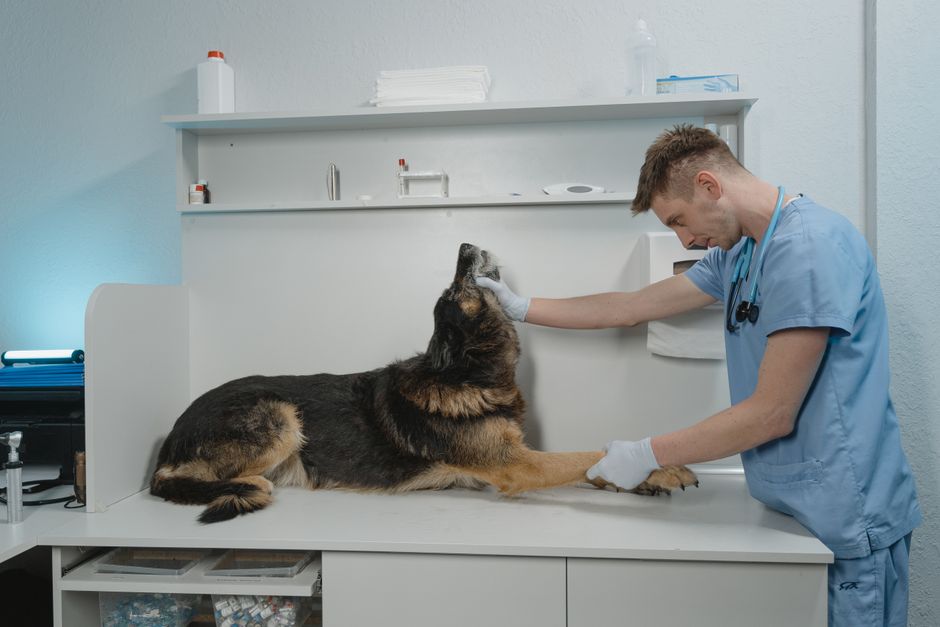
The OFA process begins with a veterinary examination and diagnostic imaging, typically digital radiographs (X-rays) taken while the dog is positioned according to strict OFA guidelines. These images are then submitted for expert review by a panel of board-certified veterinary radiologists, who evaluate the joints for signs of dysplasia or other abnormalities. The results are graded, and if your dog passes the criteria, they become an “OFA certified” dog, with results stored in the OFA’s public database.
At Switzerland Animal Hospital, we are equipped with advanced digital radiology technology to ensure high-quality, precise images for OFA submissions. Our veterinarians can guide you through the entire OFA screening process, from determining the right age for testing to preparing your dog for the procedure.
OFA vs. PennHIP: What’s the Difference?
While OFA is the most recognized orthopedic screening program, some owners may hear about alternative methods like PennHIP. The main difference is in the imaging technique and evaluation criteria. OFA provides a pass/fail rating based on radiologists’ assessment, while PennHIP measures joint laxity (looseness) more quantitatively. Both screening methods have their place, but OFA remains the standard for most breeders and is widely accepted by breed clubs and organizations. If you have questions about which test is best for your dog, we’re happy to discuss the options during your wellness examination.
Why Are OFA Dogs Important? The Value of Health Screening
OFA dogs play a crucial role in promoting healthier canine populations and helping pet owners avoid the heartbreak of preventable joint diseases. For breeders, OFA certification is a responsible step to ensure that only dogs with healthy joints and other critical systems are used for breeding, reducing the risk of inherited disorders in puppies. Even if you don’t plan to breed your dog, OFA screening helps catch early signs of orthopedic disease, allowing for timely intervention that can significantly improve your dog’s comfort and mobility as they age.
The value of OFA dogs extends beyond breeding programs. Dogs with healthy OFA evaluations are less likely to suffer from painful arthritis, lameness, or the need for major orthopedic surgeries later in life. This means fewer costly treatments, more years of active companionship, and a better quality of life for your dog. In our local climate in St. Johns, where dogs are active year-round, preventive screenings are especially important to keep your best friend playing, running, and enjoying the outdoors.
What to Expect During an OFA Screening at Switzerland Animal Hospital
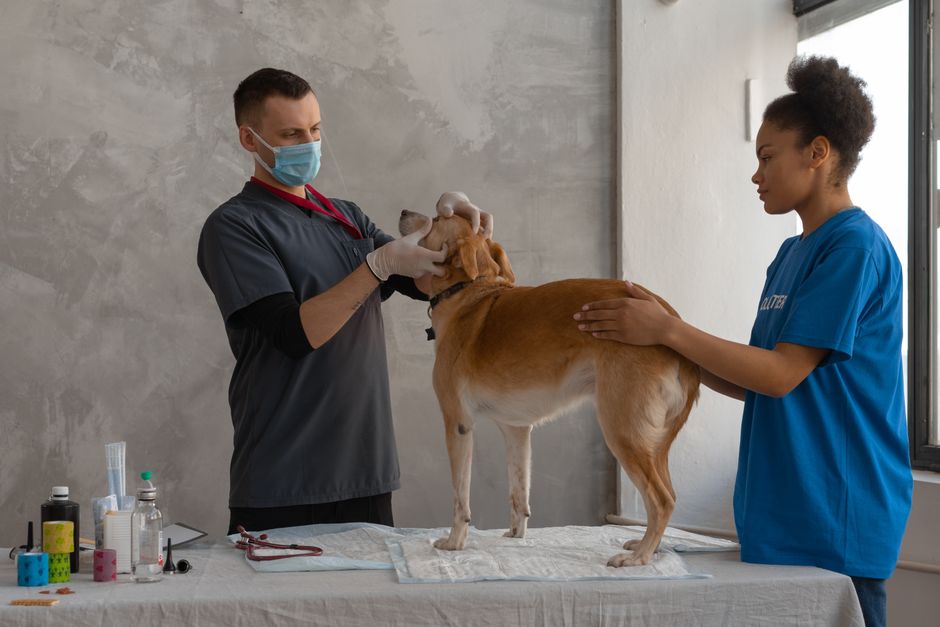
When you schedule an OFA screening at Switzerland Animal Hospital, our veterinary professionals will guide you and your dog through each step with the utmost care. The process typically begins with a thorough history and physical examination, ensuring your dog is healthy enough for anesthesia or sedation if required. Most OFA radiographs require your dog to be still and properly positioned; mild sedation is often necessary to guarantee clear, accurate images.
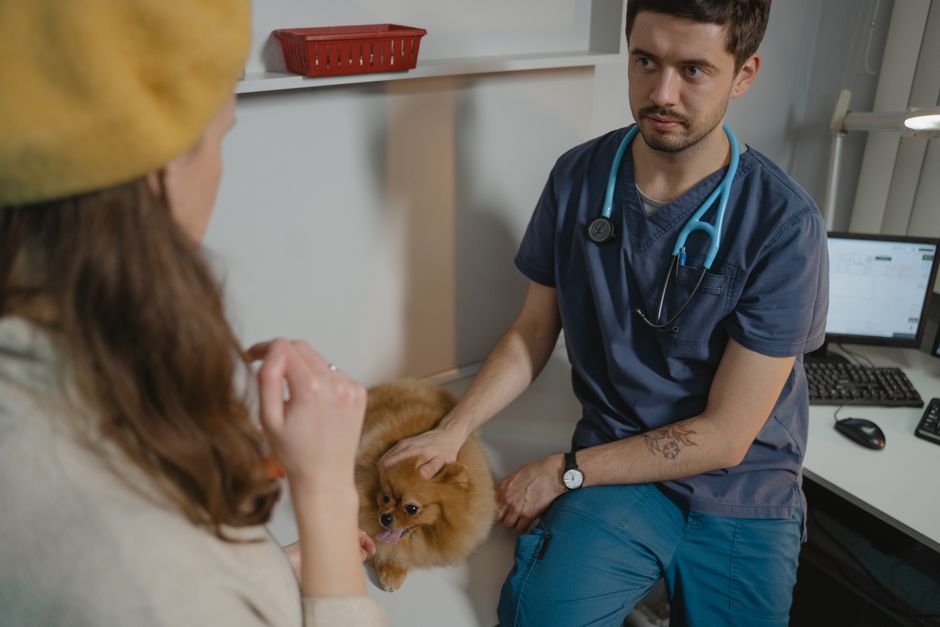
During the appointment, your veterinarian will explain the procedure and answer any questions you may have. Once the radiographs are taken, we submit the images to the OFA for official grading. Results are usually available within a few weeks, and our team will review them with you and discuss any follow-up recommendations. If your dog requires additional screenings, such as cardiac or thyroid testing, we can coordinate those as part of a comprehensive wellness exam.
Our commitment is to make the process as comfortable and stress-free as possible for both you and your dog. We use the latest diagnostic equipment to ensure the most accurate results, and our experienced team is always here to support you.
Can OFA Dogs Still Develop Joint Problems? Understanding the Limitations
While OFA screening is a powerful tool in reducing the risk of inherited joint diseases, it’s important to understand that certification does not guarantee a dog will never develop orthopedic problems. Genetics play a significant role, but so do environmental factors such as nutrition, weight management, exercise routines, and injuries. Even an OFA-certified dog can develop osteoarthritis or other joint issues later in life if they become overweight, suffer trauma, or experience repetitive stress from high-impact activities.
For this reason, we encourage all dog owners to combine OFA screening with preventive strategies at home. Maintaining a healthy weight, providing regular exercise suited to your dog’s age and breed, and scheduling annual veterinary checkups are all essential components of lifelong joint health. If your dog is at risk for orthopedic problems, our team may recommend preventive care exams and nutritional counseling to support healthy growth and development.
Home Care and Prevention: Keeping Your Dog’s Joints Healthy
Supporting your dog’s joint health at home is just as important as professional screening. Simple steps like providing a balanced diet, ensuring regular but low-impact exercise, and preventing obesity can dramatically lower the risk of joint disease—even in breeds that are genetically predisposed. Early intervention is key; if you notice changes in your dog’s gait, reluctance to move, or decreased enthusiasm for activities, it’s important to consult your veterinarian promptly.
Additionally, consider providing orthopedic bedding for older dogs, avoiding excessive jumping or rough play in young, growing puppies, and using ramps or stairs to help your dog access beds or vehicles. Your veterinarian may also recommend joint supplements or specific diets tailored to your dog’s needs. Regular dental care, vaccination, and parasite prevention all contribute to your dog’s overall health, indirectly supporting their mobility and well-being.
When to Seek Veterinary Care for Orthopedic Concerns
If you observe signs such as persistent lameness, difficulty rising, decreased activity, or pain during movement, it’s time to schedule an appointment with your veterinarian. Early diagnosis and intervention can make a significant difference in your dog’s long-term health and quality of life. Even if your dog has already been OFA certified, regular checkups and prompt attention to new symptoms are essential.
At Switzerland Animal Hospital, our veterinary team is dedicated to providing comprehensive care, from preventive wellness exams to advanced diagnostic imaging and surgical options if needed. We’re here to answer your questions and help you make informed decisions about your dog’s care at every stage of life.
Choosing the Right Partner for OFA Dogs in St. Johns
Selecting a veterinary clinic with experience in OFA screening is crucial for accurate results and a smooth process. Switzerland Animal Hospital has been serving St. Johns and the surrounding communities since 1985, building lasting relationships with pet owners who trust us for honest advice and top-notch care. Our veterinary professionals stay current with the latest advances in orthopedic screening and preventive medicine, so you can be confident your dog is receiving the best possible care.
Whether you’re a breeder committed to responsible practices, an owner of a high-energy working dog, or simply want to ensure your family pet enjoys a lifetime of mobility, our team is here to help. We offer personalized recommendations tailored to your dog’s breed, age, lifestyle, and health history.
Ready to Schedule Your Dog’s OFA Screening? Contact Switzerland Animal Hospital Today
Your dog’s mobility and comfort are priceless. With OFA dogs, you’re taking an important step toward preventing inherited joint diseases and supporting lifelong health. If you’re searching for a “vet near me” with experience in OFA certification and preventive screenings, Switzerland Animal Hospital is here for you. We invite you to schedule an appointment at our welcoming clinic in St. Johns, where our veterinary team will care for your dog as if they were our own.
To learn more about OFA screening, wellness exams, or our digital radiology services, give us a call at (904) 287-5246 or visit us in person. Let’s work together to give your dog the healthiest, happiest life possible—starting with the right care for OFA dogs.
Disclaimer: The information in this blog is for educational purposes only and is not a substitute for professional veterinary advice. Always consult your veterinarian for specific recommendations regarding your pet’s health.