
Essential Summer Safety Tips for Dogs and Cats in Florida

Essential Summer Safety Tips for Dogs and Cats in Florida
Florida summers are known for their intense heat, humidity, and sudden storms—a combination that can pose real risks for dogs and cats. As temperatures soar in St. Johns and surrounding communities, pet owners often worry about keeping their furry family members healthy, comfortable, and safe during the hottest months. At Switzerland Animal Hospital, our team of veterinarians understands how challenging Florida summers can be for both pets and their people. This guide will walk you through the most important summer safety tips for dogs and cats, from recognizing signs of heatstroke to preventing dehydration and navigating stormy weather. Whether you are new to the area or a lifelong resident, you will find practical advice to help your pet thrive all season long. If you ever have questions or need to schedule a wellness examination, our veterinary team at 1430 State Rd 13 N, Saint Johns, FL 32259 is here to help.
Recognizing Summer Dangers: Signs Your Pet Is Overheating or in Distress
Florida’s summer weather can quickly become dangerous for pets, especially during midday when the sun is strongest. Dogs and cats cool themselves differently than people, making them more susceptible to heat-related illnesses. Recognizing the early warning signs of heat stress can make all the difference in protecting your pet’s health.
Symptoms of heatstroke in pets include excessive panting, drooling, rapid heart rate, and bright red or pale gums. You might also notice that your pet seems weak, disoriented, or is vomiting. In severe cases, pets may collapse or experience seizures. Cats often hide or become unusually lethargic when overheated, while dogs may try to dig or seek shade restlessly. Dehydration is another serious risk during Florida summers. Signs of dehydration include dry or sticky gums, sunken eyes, and loss of skin elasticity. If you gently pinch the skin over your pet’s shoulder blades and it does not snap back quickly, dehydration may be present. Storms and fireworks, which are common in July, can lead to stress behaviors such as hiding, shaking, or destructive chewing, especially in pets sensitive to loud noises.
Why Do Heat-Related Emergencies Happen? Understanding the Florida Climate
High humidity in St. Johns and nearby areas makes it harder for pets to pant effectively, which is their main way of cooling down. Unlike humans, dogs and cats have very few sweat glands, so they cannot regulate their body temperature as efficiently. Flat-faced breeds like Bulldogs, Pugs, Persians, and Himalayans are at greater risk because their airways are less efficient at dissipating heat. Overweight pets, senior animals, and those with underlying medical conditions also face increased risks during hot, muggy weather.
While a backyard or patio might seem like an ideal play space, even shaded areas can quickly become dangerously warm. Asphalt, sand, and concrete surfaces absorb and radiate heat, causing paw pad burns or raising body temperature even during short walks. Afternoon thunderstorms are another hallmark of Florida summers, often bringing sudden power outages or flooding. These storms can not only frighten pets but also disrupt routines, which may lead to anxiety or escape attempts.
How Our Veterinary Team Manages Heat Emergencies and Summer Hazards
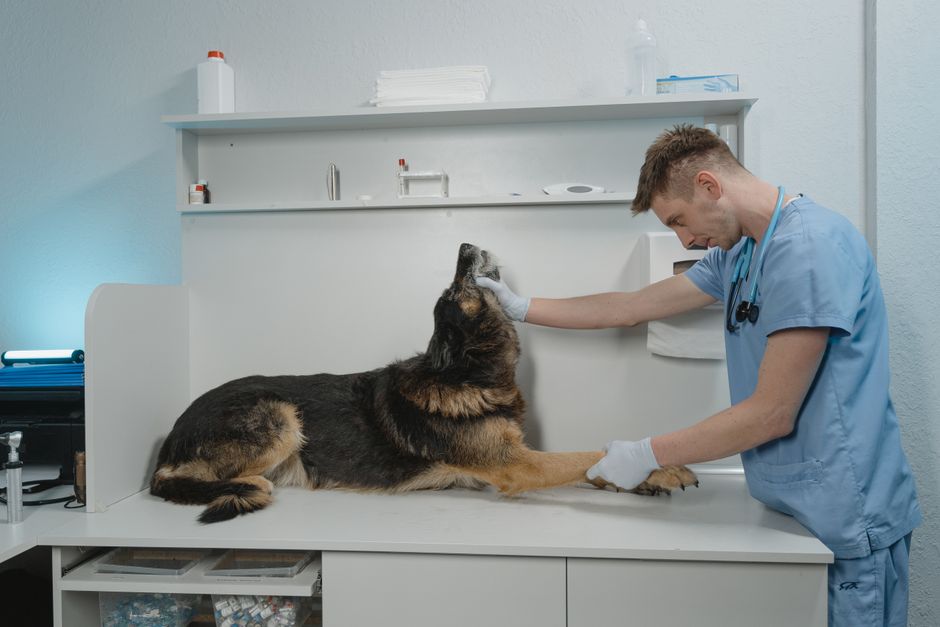
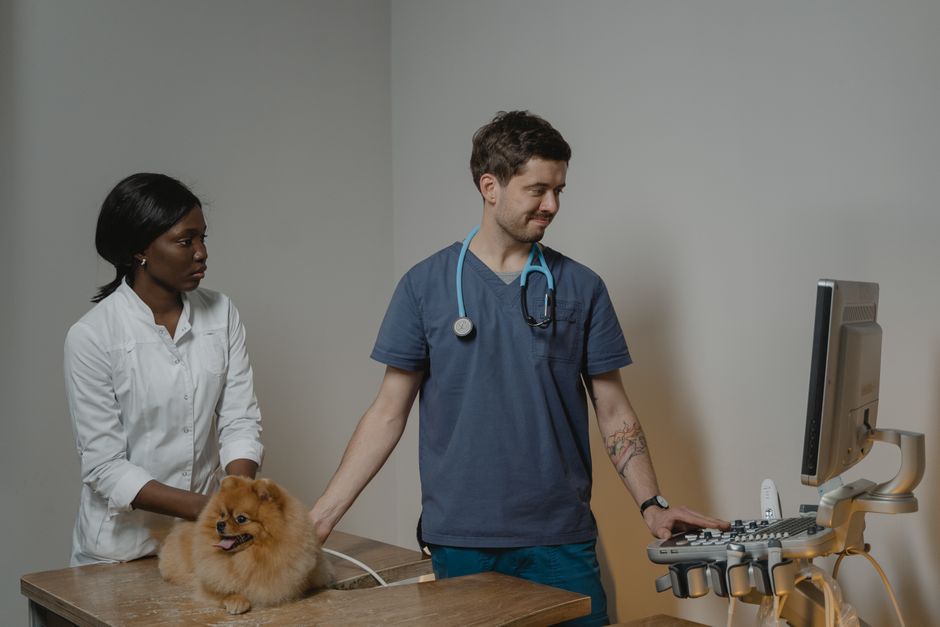
If your pet shows signs of heatstroke or severe dehydration, it is crucial to act quickly and seek veterinary help. At Switzerland Animal Hospital, our veterinarians have the tools and expertise to provide immediate, life-saving care. Treatment for heatstroke often involves intravenous fluids, oxygen therapy, and careful monitoring of vital signs. We also use advanced diagnostics, such as digital radiography and laboratory testing, to assess your pet’s internal organ function and rule out complications.
For pets who become anxious or panicked during storms, our veterinary team can recommend strategies for stress reduction. This may include anxiety-reducing medications, pheromone diffusers, or behavioral techniques tailored to your pet’s needs. In cases where your dog or cat sustains paw injuries from hot surfaces or becomes ill after exposure to summer hazards, we offer comprehensive care, including wound management and pain relief. If you are ever worried that your pet is experiencing a medical emergency, our hospital provides emergency veterinary care so your pet can receive prompt attention.
Preventing Heatstroke and Dehydration: Home Care Tips for Florida Pet Owners
The best way to protect your dog or cat from summer hazards is through prevention. Always provide plenty of fresh, cool water and make sure your pet has access to shade both indoors and outside. Limit outdoor activities to early morning or late evening hours, when temperatures are lower and pavement is cooler. Before heading out for a walk, test the ground with your hand; if it is too hot for you, it is too hot for your pet’s paws.
Never leave your pet unattended in a parked car, even for a few minutes. The temperature inside a vehicle can soar in moments, creating life-threatening conditions. At home, use fans or air conditioning to help keep your pet’s environment comfortable. If your dog or cat spends time outdoors, consider providing a small wading pool or cooling mats for them to rest on.
During thunderstorms or fireworks displays, create a safe, quiet space for your pet. Close windows and curtains, play soothing music, and offer familiar bedding or toys. Microchipping your pet can provide peace of mind in case they escape during a storm; our team can assist with pet microchipping services for identification and safety.
When to Contact Your Veterinarian: Knowing When Your Pet Needs Professional Care
Some summer-related issues can be managed at home, but others require prompt veterinary attention. If your dog or cat is panting excessively, drooling, staggering, vomiting, or has collapsed, these are emergencies that need immediate care. Likewise, if your pet is not drinking water, is lethargic for more than a few hours, or shows signs of burns or wounds, it is time to call your veterinarian.
Pets with chronic health conditions, such as heart disease or respiratory problems, are more vulnerable to heat and should be monitored closely all summer long. If you notice any changes in your pet’s behavior, appetite, or energy level, it is always better to err on the side of caution and schedule a checkup. Routine wellness examinations can help catch potential problems early and ensure your pet is ready for the season ahead.
If you are ever unsure whether your pet needs immediate medical attention, do not hesitate to reach out to our veterinary team at Switzerland Animal Hospital for guidance.
Keeping Pets Happy and Healthy: Summer Safety for Every Family
Florida summers can be tough, but with a little preparation and vigilance, you can help your dog or cat enjoy the season safely. Watch for signs of heat stress, provide plenty of water and shade, and limit outdoor activity during the hottest parts of the day. Remember that storms and fireworks may frighten pets, so take extra steps to keep them calm and secure. If you ever need help, our compassionate veterinary professionals at Switzerland Animal Hospital are committed to the wellbeing of pets in St. Johns and surrounding communities.
Whether you are searching for a "vet near me" for routine preventive care, emergency support, or trusted advice, we are here for you and your pets. To schedule an appointment or speak with our team about summer safety, call us at (904) 830-5156. We look forward to helping your dog or cat have a safe, happy, and healthy summer here in St. Johns.
This blog is intended for informational purposes only and should not be considered a substitute for professional veterinary care. If you have concerns about your pet’s health or safety, consult with your veterinarian promptly.