
Understanding OFA Certification for Dogs and Cats in Florida

Understanding OFA Certification for Dogs and Cats in Florida
If you have ever wondered how to help your dog or cat live a healthier, happier life or thought about responsible breeding, you may have come across the term "OFA certification." At Switzerland Animal Hospital in St. Johns, FL, our veterinary team often receives questions from pet owners about what OFA means, why it matters, and how to get started. In this guide, we will explore the importance of OFA certification for pets in Florida, walk you through the process, and explain how our team supports your pet’s long-term wellness. Whether you are interested in responsible breeding or simply want to ensure your furry family member is as healthy as possible, understanding OFA certification is a great step. We will also discuss what to expect during health screenings and how our advanced diagnostic tools can help, such as our digital radiology services, right here at Switzerland Animal Hospital.
Recognizing the Need for OFA Certification in Pets
Many pet owners first hear about OFA certification when researching breed-specific health risks or considering breeding their dog or cat. The Orthopedic Foundation for Animals (OFA) is a respected organization that evaluates pets for inherited health conditions, most commonly orthopedic issues like hip or elbow dysplasia. However, OFA also covers other health screenings, including cardiac, thyroid, and eye conditions.
You might want to consider OFA certification if your pet is a purebred or if your breeder recommends health screening before breeding. Common signs that OFA health checks may be relevant include noticing changes in your pet’s gait, reluctance to jump or climb stairs, or a family history of genetic conditions. Even if your dog or cat shows no symptoms, OFA certification can give you peace of mind about their long-term health and is a valuable tool for responsible breeders aiming to reduce inherited disease in future generations.
Why OFA Certification Matters: Background and Benefits
OFA certification plays a crucial role in promoting the health and welfare of dogs and cats, especially those used for breeding. By screening for inherited conditions, OFA helps identify animals that are less likely to pass on genetic diseases. For breeds at higher risk of issues such as hip dysplasia, elbow dysplasia, or inherited eye disorders, OFA certification can be the difference between a healthy lineage and one burdened by chronic health struggles.
OFA’s evaluation process uses advanced diagnostic imaging, such as digital radiographs, to assess your pet’s joints and other organs. These images are reviewed by veterinary specialists who assign a grade based on established health criteria. The benefits of OFA certification extend beyond breeding decisions; it also allows you to catch early signs of orthopedic or genetic diseases, potentially leading to earlier intervention and improved quality of life for your pet. For Florida pet owners, where active lifestyles and warm weather mean dogs and cats often spend more time outdoors, maintaining joint health and overall wellness is especially important.
What to Expect: The OFA Certification Process
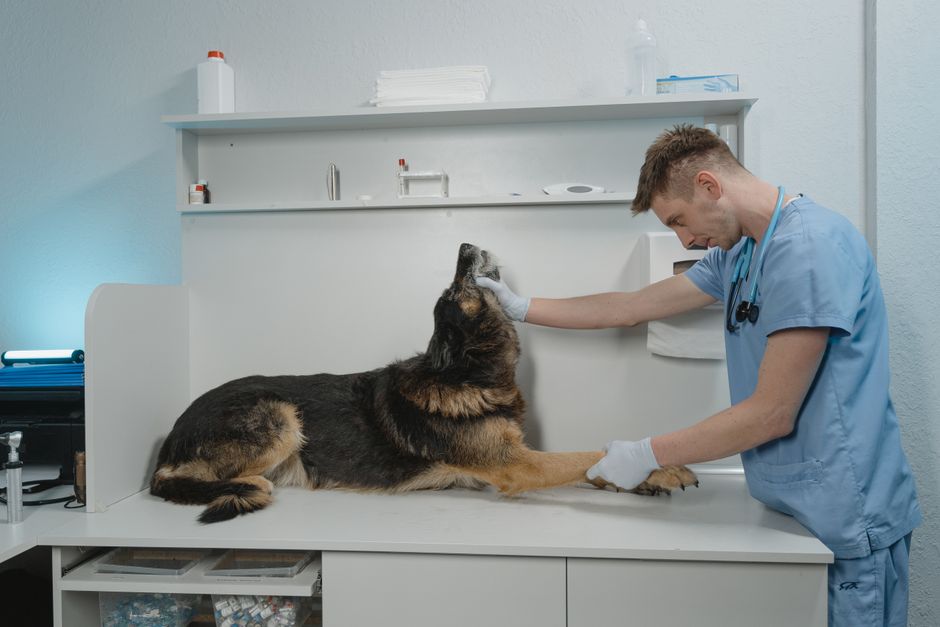
If you are considering OFA certification for your pet, the process begins with a comprehensive wellness visit and consultation. Our veterinarians at Switzerland Animal Hospital will discuss your pet’s breed, age, medical history, and any current health concerns. For many OFA evaluations, the next step involves taking specific diagnostic images, such as hip or elbow radiographs, under safe, gentle sedation. Our digital radiology allows for high-quality, detailed images that meet OFA submission standards.
After imaging, the radiographs are sent to the OFA for expert review. The OFA uses a panel of veterinary radiologists to assess each image and assign a grade. Results are then sent back to both the owner and the submitting veterinarian. If your pet is being screened for other conditions, such as cardiac or thyroid issues, additional tests or exams may be required. Throughout the process, our veterinary professionals are here to guide you, answer your questions, and support your pet’s comfort and safety.
How OFA Health Screenings Help Manage and Prevent Disease
OFA certification is not just about breeding; it is an important tool for managing and preventing health issues in all dogs and cats, regardless of their breeding status. Catching early signs of hip dysplasia or heart disease, for example, can make a significant difference in your pet’s long-term mobility and comfort. Early detection may allow for medical management, lifestyle adjustments, or even surgical interventions that improve quality of life.
Treatment approaches for pets with identified conditions can include weight management, specific exercise recommendations, physical therapy, joint supplements, and in some cases, surgical correction. Our veterinary team will discuss the best options for your pet based on their specific needs. For those planning to breed, OFA certification helps ensure that only healthy animals contribute to the next generation, supporting the overall health of the breed.
Proactive Steps for Pet Owners: Home Care and Prevention
Supporting your pet’s joint and overall health starts at home. Regular exercise, a balanced diet, and maintaining a healthy weight are all essential for reducing the risk of orthopedic problems. Pet owners can also support their dog or cat’s wellness by scheduling wellness examinations at least once a year, or more frequently for senior or at-risk pets. During these visits, our veterinarians can discuss breed-specific risks and recommend the appropriate OFA screenings.
It is also important to keep accurate records of your pet’s health, especially if you plan to breed. This makes it easier for your veterinarian to recommend the right tests and for you to provide documentation if you decide to pursue OFA certification. Staying informed about your pet’s genetic background and communicating openly with your veterinarian are powerful steps toward prevention.
When to Schedule an OFA Screening at Switzerland Animal Hospital
Knowing when to pursue OFA certification depends on your pet’s breed, age, and health history. Purebred dogs and cats that will be bred should have OFA health screenings before breeding, as recommended by breed clubs and responsible breeders. Additionally, any pet showing signs of joint pain, lameness, or difficulty getting up and down should be evaluated promptly.
If you are unsure whether your pet would benefit from OFA certification, our veterinary team is happy to discuss your concerns, review your pet’s history, and guide you through the process. In some cases, routine wellness visits or diagnostic testing may reveal the need for further screening. Our diagnostic laboratory services also play a role in identifying underlying conditions that could impact your pet’s health or OFA results.
Supporting Your Pet’s Lifelong Health in St. Johns and Beyond
At Switzerland Animal Hospital, our commitment to your pet’s well-being goes beyond routine checkups. We believe that knowledge is power; by understanding tools like OFA certification, you can make informed decisions that protect your pet’s health and support responsible breeding. Our team of veterinarians uses the latest diagnostic technology and a compassionate approach to help pets in St. Johns and surrounding communities live their best lives.
If you have questions about OFA certification or want to schedule a health screening for your dog or cat, we invite you to contact our veterinary professionals. When searching for a veterinarian near me, look for a clinic that prioritizes preventive care, clear communication, and advanced diagnostic capabilities. To schedule an appointment or learn more, call us at (904) 830-5156 or visit our hospital at 1430 State Rd 13 N, Saint Johns, FL 32259. Your pet’s lifelong health starts with informed, proactive care—let us help you every step of the way.
This blog is intended for informational purposes only and should not be used as a substitute for professional veterinary advice. Always consult your veterinarian regarding your pet’s specific health needs and before starting any new health screening or breeding program.